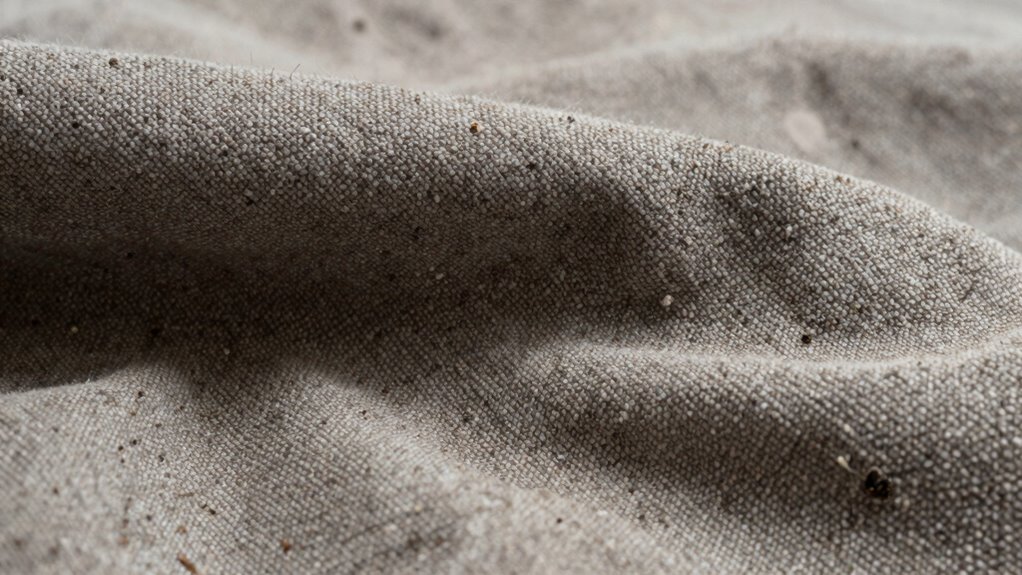

Fabrics trap odor molecules deep within their tiny fibers and pores, making smells last long after you wash. Organic compounds from sweat and oils cling to fibers, and bacteria produce waste that creates persistent odors. Synthetic fabrics tend to hold onto these molecules more because of their chemical makeup. Strong bonds form between odors and fibers, making smells hard to fully remove. If you want to learn how to beat these stubborn odors, keep exploring these hidden facts.

Get oils, diffusers and self-care delivered free with Prime
- Fast, free delivery on millions of items
- Prime Video, Amazon Music and more included
- Member-only deals all year
Key Takeaways
- Odor molecules become embedded deep within fabric fibers, making them difficult to wash out.
- Chemical bonds between odor molecules and fibers strengthen persistence even after cleaning.
- Natural fibers like cotton release odors more easily than synthetic fibers like polyester.
- Odors result from microorganisms breaking down sweat and oils, producing volatile compounds.
- Effective odor removal requires disrupting chemical bonds with specialized cleaning agents.
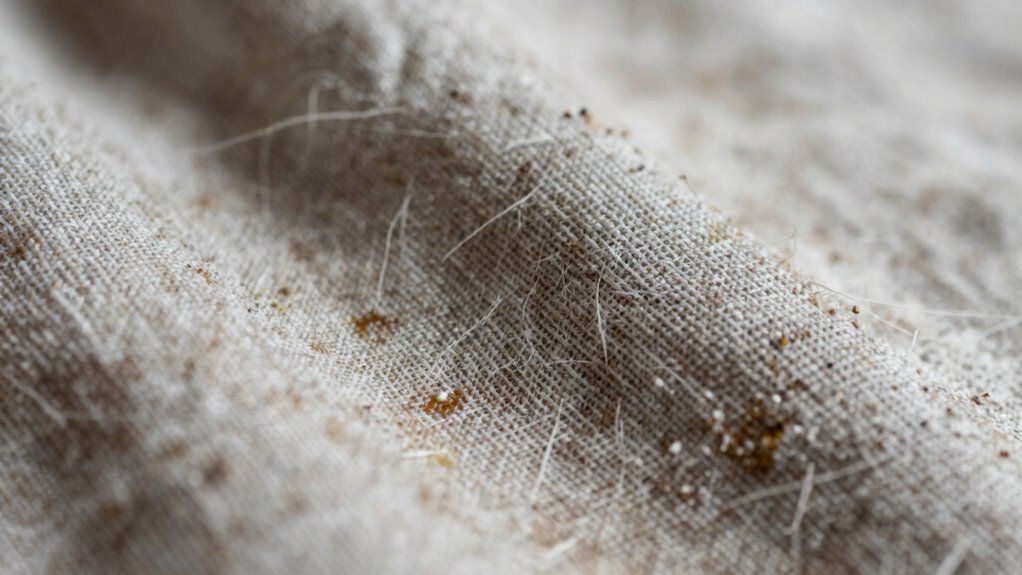
Have you ever noticed that your clothes or fabrics sometimes develop an unpleasant smell even after washing? It can be frustrating, especially when you’ve already gone to the trouble of cleaning them. The reason lies in what happens on a microscopic level during and after the wash. Fabrics tend to trap odor molecules in tiny fibers and pores, making it difficult to fully eliminate smells with just soap and water. This is because of the complex chemical reactions that occur between substances on your clothes and the bacteria or fungi present. When these microorganisms break down sweat, oils, and other organic compounds, they produce molecules that have a strong, persistent odor. These odor molecules then get lodged deep in the fabric’s fibers, creating a lingering smell that’s hard to wash out.
The core of the problem involves chemical reactions. When bacteria feed on organic material like sweat, they produce waste products that include volatile compounds, which are responsible for body odor. These compounds are incredibly sticky; they bond with fabric fibers through weak chemical interactions, making them resistant to easy removal. Even after washing, some of these odor molecules remain trapped inside the fabric because of their chemical structure. This leads to smells that seem to come back over time, especially in warm, humid environments where bacteria thrive. Understanding these chemical interactions helps explain why certain odors are so resistant to removal. Additionally, the persistence of these odors can be affected by environmental factors like humidity, which promote bacterial growth and odor molecule bonding. Recognizing these fiber properties that influence odor retention can help develop better cleaning strategies.
What makes fabric hold onto these smells so stubborn is that odor molecules are often small and volatile, allowing them to seep deep into the fibers. Once embedded, the molecules are protected from rinsing away. Plus, certain fibers, like polyester or nylon, tend to hold onto these molecules more than natural fibers like cotton or wool. Their chemical composition creates a kind of barrier, making it easier for odor molecules to cling tightly. Over time, these molecules can react with residual residues or even react with each other, forming new compounds that emit even stronger odors. Furthermore, employing specialized cleaning agents like enzymes or vinegar can help break down these chemical bonds more effectively. Additionally, fabric fiber properties influence how well odors are retained, further complicating odor removal. Recognizing how different fabric types influence odor retention can help you choose appropriate cleaning methods for each material.
To combat this, you need more than just washing with soap. Sometimes, using specialized cleaning agents that target these chemical reactions can break down the odor molecules more effectively. For example, enzymes or vinegar can alter the chemical structure of odor compounds, neutralizing them. High temperatures can help speed up these reactions, but they aren’t always enough if the odor molecules have deeply embedded in the fabric. That’s why some smells linger long after washing—they’re chemically bonded inside the fibers, waiting to be released when conditions are right. Employing proper cleaning techniques like hot water or specific odor-neutralizing agents can significantly reduce the chances of odors returning.
Understanding the chemical reactions behind fabric smells shows you why your laundry sometimes needs extra care. It’s not just about removing dirt but about disrupting the chemical bonds and reactions that keep odor molecules trapped. When you know this, you can choose better cleaning methods and products that target the root cause of lingering smells, leaving your clothes fresh and odor-free for longer.
odor eliminating laundry detergent
As an affiliate, we earn on qualifying purchases.
As an affiliate, we earn on qualifying purchases.
Frequently Asked Questions
Can Certain Fabrics Naturally Resist Odors Better Than Others?
Yes, certain fabrics naturally resist odors better than others. You’ll notice that fabrics with specific properties, like tightly woven fibers or moisture-wicking materials, reduce odor absorption. Natural fibers like wool and hemp often have antimicrobial properties that help prevent odor buildup. Synthetic fabrics designed with odor-resistant treatments also perform well. So, when choosing fabrics, look for those with favorable fabric properties and low odor absorption to keep smells at bay longer.
Do Synthetic Fabrics Trap Smells More Than Natural Fibers?
Like a sponge soaking up scents, synthetic fabrics trap smells more than natural fibers. Chemical reactions within synthetic fibers, combined with their higher porosity, create a perfect environment for odors to cling. Natural fibers, on the other hand, breathe better and resist odor buildup. So, if you’re after freshness, choosing natural fabrics helps reduce lingering smells, while synthetics tend to hold onto them longer, much like an unwelcome guest.
How Long Do Fabric Smells Typically Last Without Washing?
Fabric smells can last anywhere from a few days to a week without washing, depending on factors like odor absorption and your activity level. If you’re sensitive to fabric allergies, lingering odors might trigger reactions. Natural fibers tend to hold smells less than synthetic ones, but both can absorb odors over time. To minimize this, air out your clothes regularly and wash them promptly when odors become noticeable.
Are There Specific Detergents That Remove Odors More Effectively?
Yes, some detergents are better at removing odors and preventing scent retention. Look for ones with enzymes or odor neutralizers, as they actively break down odor-causing molecules, reducing odor absorption. Avoid regular detergents with only basic cleaning agents, which may leave behind smells. Using specialized odor-eliminating detergents guarantees your fabrics stay fresh longer, minimizing scent retention and tackling even stubborn odors effectively.
Can Fabric Treatments Prevent Odors From Lingering?
Think of fabric treatments as a shield that locks in fabric softness and preserves color vibrancy, preventing odors from sneaking in. They act like a barrier, sealing in freshness while keeping your clothes soft and bright. With these treatments, you’ll notice less lingering smell, and your garments stay vibrant longer. It’s like giving your fabric a fresh coat of armor, so odors can’t cling to or fade your clothing’s lively appearance.
Conclusion
So, next time your favorite fabric seems to carry a whisper of yesterday, remember it’s just holding onto a little secret. It’s not stubbornness, but a cozy little hideaway for memories and moments. With a gentle touch and some fresh air, you can help your fabrics shed those lingering stories. Embrace the softness and let go of the past, making room for new adventures and fresh scents to come alive.
Fall Picks
fall essentials
As an affiliate, we earn on qualifying purchases.