

Pelvic floor tension feels confusing because it involves many interconnected muscles, nerves, and organs, which can create overlapping sensations like dull aches or sharp pains. Stress, anxiety, and posture can also influence how you experience this tension, making it hard to tell what’s causing it. Plus, symptoms often mimic other issues, so pinpointing the true source can be tricky. Understanding these complexities can help you manage your discomfort more effectively—if you keep exploring, you’ll discover ways to ease this tension more confidently.

Get oils, diffusers and self-care delivered free with Prime
- Fast, free delivery on millions of items
- Prime Video, Amazon Music and more included
- Member-only deals all year
Key Takeaways
- Overlapping symptoms with other conditions like bladder issues or back pain make diagnosis difficult.
- Pelvic structures are interconnected, causing sensations to vary with different activities or positions.
- Tension can be involuntary and fluctuate, leading to inconsistent and confusing sensations.
- Psychological factors like stress and anxiety can reinforce muscle tightness, complicating the physical picture.
- Differentiating between muscular, neurological, and other causes requires careful assessment and awareness.
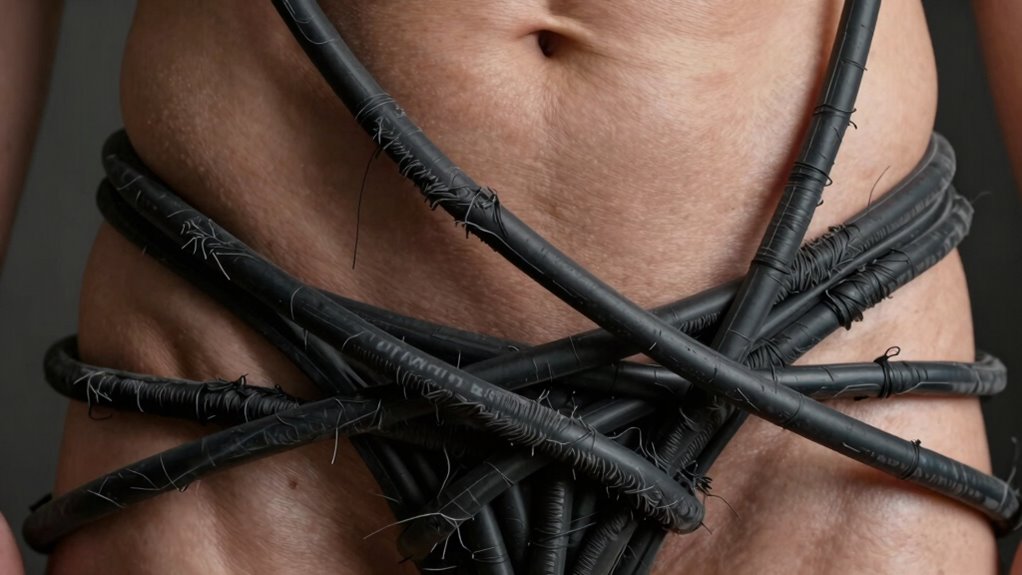
Have you ever felt persistent discomfort or tightness in your pelvic area? It’s a confusing sensation, often hard to pinpoint or understand. You might think it’s just regular muscle tension, but the experience can be more complex, leaving you puzzled about what’s really going on. Pelvic floor tension isn’t always straightforward, because numerous factors contribute to how it feels and why it persists. Sometimes, the muscles in your pelvic region tighten involuntarily, causing discomfort that comes and goes without clear reason. Other times, the tension is a response to stress, anxiety, or even habitual postures, making it even harder to identify the root cause.
One reason pelvic floor tension feels so confusing is that it often mimics other conditions. You might experience symptoms similar to bladder issues, hemorrhoids, or lower back pain, blurring the lines between different problems. The sensations can range from a dull ache to a sharp, stabbing feeling, and they might fluctuate throughout the day. You may notice that certain activities or positions worsen the discomfort, but pinpointing why can be tricky. The interconnectedness of pelvic muscles, nerves, and organs adds layers of complexity, making it hard to determine whether tension is a muscular issue, a nerve problem, or something else altogether. Additionally, understanding the body’s complex response to stress can help shed light on why tension persists even without obvious physical causes. Recognizing the role of psychological factors can be crucial in addressing persistent pelvic tension. Exploring the connection between stress and muscle tension can provide further insight into managing symptoms effectively. Developing a mind-body awareness can also help you better recognize and respond to early signs of tension before they escalate.
Pelvic tension mimics other issues like bladder problems, hemorrhoids, and back pain, making diagnosis challenging.
A deeper understanding of muscle awareness techniques can also help you recognize early signs of tension, so you can address them before they become more uncomfortable. Breathing techniques are a simple yet powerful tool. Deep, diaphragmatic breathing helps calm your nervous system, reducing involuntary muscle tightness. When you focus on slow, controlled breaths, you activate your parasympathetic nervous system, which promotes relaxation. This can ease the tension in your pelvic muscles and help you gain better awareness of your body. Alongside breathing techniques, muscle relaxation exercises are essential. These exercises teach you to consciously release tension, helping you distinguish between normal muscle tightness and problematic tension. Over time, practicing muscle relaxation can improve your ability to identify when your pelvic muscles are overly tight and learn how to relax them proactively.
As an affiliate, we earn on qualifying purchases.
Frequently Asked Questions
Can Pelvic Floor Tension Cause Unrelated Body Pain?
Yes, pelvic floor tension can cause unrelated body pain. Muscle tightness in this area can lead to pain localization in areas like your hips, lower back, or abdomen, even if the source isn’t obvious. The interconnectedness of muscles means tension in your pelvic floor can create discomfort elsewhere, confusing your body’s pain signals. Recognizing this connection helps you understand and address the root cause of your discomfort more effectively.
How Long Does Pelvic Floor Tension Typically Last?
Imagine your pelvic muscles as a tense bowstring, ready to snap. Pelvic floor tension can last days, weeks, or even months if unnoticed. With pelvic awareness, you can identify the tightness, and muscle relaxation techniques help ease the tension. Consistent effort, patience, and sometimes professional support are key. Usually, addressing the tension early leads to faster relief, but persistence is essential for long-lasting comfort.
Is Pelvic Floor Tension Linked to Mental Health Issues?
Yes, pelvic floor tension can be linked to mental health issues. Psychological triggers like stress, anxiety, or emotional distress often cause or worsen this tension. Developing emotional awareness helps you recognize these links, making it easier to address underlying causes. When you understand how mental health impacts your pelvic muscles, you can work on managing stress and emotional triggers, which can alleviate the tension and improve overall well-being.
Can Pelvic Floor Tension Resolve Without Therapy?
Yes, pelvic floor tension can resolve without therapy, but it often takes time and effort. You can work on pelvic muscle relaxation through self-care techniques like deep breathing, gentle stretching, and mindfulness. Tension relief exercises, such as pelvic floor relaxation routines, might help ease discomfort. However, if tension persists or worsens, consulting a healthcare professional is advised to guarantee proper treatment and avoid long-term issues.
How Do I Know if My Tension Is Normal or Problematic?
You can tell if your pelvic floor tension is problematic if you notice persistent discomfort, pain, or difficulty relaxing the muscles. Normal tension fluctuates and should allow muscle relaxation, especially during rest. Tension triggers like stress, anxiety, or injury might cause ongoing tightness. If relaxation feels impossible or symptoms worsen, it’s a sign your tension is problematic. Pay attention to how your muscles respond and seek therapy if relaxation remains elusive.
Conclusion
So, now that you understand how pelvic floor tension can feel so confusing, isn’t it worth exploring what’s really going on? Your body’s signals might seem unclear or overwhelming, but with awareness and proper guidance, you can start to unravel the mystery. Don’t you owe it to yourself to find relief and restore balance? Remember, understanding your body is the first step toward feeling more in control—and feeling better.
Halloween Picks
halloween
As an affiliate, we earn on qualifying purchases.