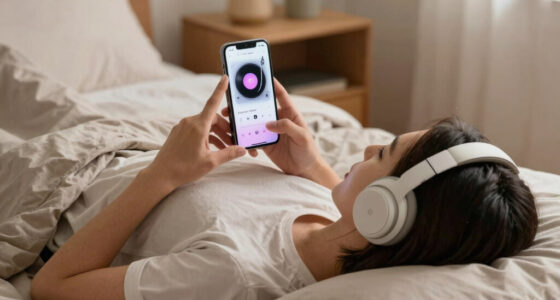
Timing your light therapy sessions is more important than just choosing a bright lamp because it helps regulate your circadian rhythm. Exposure to light shortly after waking signals your body to stay alert and resets your internal clock. If you use it at the wrong time, it can disrupt sleep and mood. Proper timing guarantees you get the most benefits from your therapy. Keep exploring to discover how aligning your routine boosts your overall well-being.

Get oils, diffusers and self-care delivered free with Prime
- Fast, free delivery on millions of items
- Prime Video, Amazon Music and more included
- Member-only deals all year
Key Takeaways
- Proper timing aligns light exposure with your circadian rhythm, enhancing mood and sleep regulation.
- Morning use signals wakefulness and resets the internal clock more effectively than brightness alone.
- Incorrect timing, such as evening exposure, can disrupt sleep and reduce therapy benefits.
- Consistent routine during the first hour after waking optimizes the impact of light therapy.
- Brightness is less influential than ensuring light is used at the right time for circadian alignment.
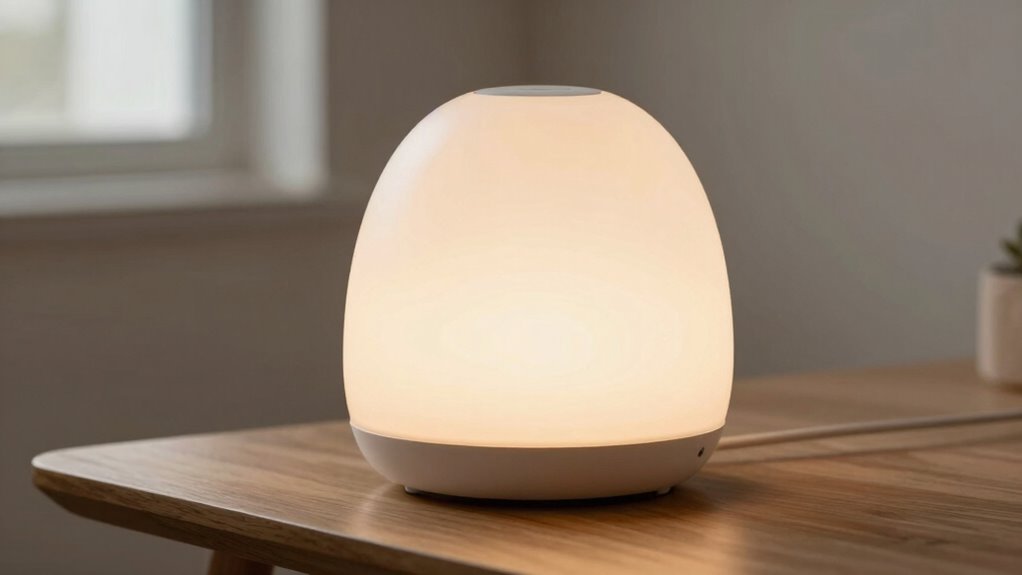
Have you ever wondered how to boost your mood and energy levels during the darker months? If so, you’re not alone. Many people struggle with seasonal affective disorder (SAD) or simply feel sluggish when daylight hours dwindle. Light therapy lamps are a popular solution, but their effectiveness depends less on how bright they are and more on when you use them. Timing plays a vital role because it influences your circadian rhythm—the internal clock that regulates sleep, wakefulness, and overall mood.
When you think about light therapy, you might assume brighter is always better. While brightness matters, it’s not the only factor. If you use a lamp at the wrong time of day, you might not get the benefits you’re seeking. For instance, exposure to bright light in the morning can help reset your circadian rhythm, signaling to your body that it’s time to wake up. This is especially helpful during the fall and winter when natural sunlight is limited. Conversely, using a light therapy lamp later in the day can interfere with your ability to fall asleep at night, disrupting your sleep cycle and making you feel even more tired.
Understanding the significance of timing helps you optimize your experience. Ideally, you want to start your light therapy session shortly after waking up, within the first hour of your day. This helps mimic natural sunlight, which can improve your mood and energy levels. When your circadian rhythm is aligned with the natural light-dark cycle, you’ll likely notice a reduction in symptoms of seasonal affective disorder. It’s not just about shining a bright light; it’s about syncing that light exposure with your body’s internal clock. Proper timing of light exposure can also help prevent potential disruptions to your sleep patterns. Additionally, some research suggests that irregular light exposure can lead to disrupted biological clocks, emphasizing the importance of a consistent routine.
Start light therapy shortly after waking to align your circadian rhythm and boost mood during darker months.
Moreover, the duration of exposure matters. Most recommendations suggest about 20 to 30 minutes of light therapy each morning. During this time, you should sit facing the lamp, not necessarily looking directly into it, but close enough for the light to reach your eyes. Consistency is key. Using the lamp every day during the darker months ensures your circadian rhythm stays aligned, helping you feel more alert during the day and ready for restful sleep at night. Recognizing the role of circadian rhythm in sleep and mood regulation can further enhance the benefits of light therapy. Moreover, understanding how light exposure timing affects your biological clock can help you tailor your routine for optimal results.
light therapy lamp for circadian rhythm
As an affiliate, we earn on qualifying purchases.
As an affiliate, we earn on qualifying purchases.
Frequently Asked Questions
Can Light Therapy Lamps Be Used Outdoors Safely?
You can use light therapy lamps outdoors safely if you consider UV safety and weather conditions. Make sure the lamp is designed for outdoor use and offers UV protection to prevent skin damage. Be mindful of weather considerations like rain or direct sunlight, which can affect the lamp’s effectiveness and safety. Always follow the manufacturer’s guidelines and avoid prolonged exposure during harsh weather to protect your skin and eyes.
Are There Any Side Effects From Prolonged Use?
Prolonged use of light therapy lamps can feel like walking a tightrope—too long, and you risk skin irritation or eye strain, like sparks flying too close. You might experience redness or discomfort on your skin or find your eyes tired and watery. To stay balanced, follow recommended timing, take breaks, and keep your lamp at the right distance. Listening to your body helps prevent these side effects from sneaking up on you.
How Does Timing Affect Treatment Effectiveness?
Timing plays a vital role in your treatment’s effectiveness because it helps establish circadian alignment and regulates melatonin production. When you use a light therapy lamp at the right time—usually in the morning—you reinforce your body’s natural sleep-wake cycle, boosting alertness and mood. Using it too late can disrupt these processes, reducing benefits. Consistent timing guarantees the therapy supports your biological clock effectively.
Can Light Therapy Replace Medication for Depression?
Light therapy can be an effective alternative treatment for depression, but it typically doesn’t fully replace medication, especially for severe cases. Many people have misconceptions about its capabilities, believing it’s a cure-all. While it helps regulate your mood by influencing your circadian rhythm, combining light therapy with other treatments offers the best results. Always consult your healthcare provider to determine the right approach and avoid relying solely on light therapy.
What Is the Ideal Duration for Daily Sessions?
You should aim for a session duration of about 20 to 30 minutes each day, ideally at the same time every morning. Imagine waking up each day, the glow of the lamp casting a gentle illumination that energizes your mind. The ideal timing amplifies the lamp’s effect, helping regulate your internal clock. Don’t rush—consistent, properly timed sessions can make a real difference in your mood and energy levels.
Conclusion
Remember, when it comes to light therapy lamps, timing is your secret ingredient, like the conductor guiding an orchestra. Brightness is just the melody; it’s the rhythm of when you shine that truly sets the tone for your mood and energy. Think of your lamp as a sunrise, not just in brightness but in moments—embrace the right timing, and you’ll find your days brighter and more balanced, like dawn breaking after a long night.
Fall Picks
fall essentials
As an affiliate, we earn on qualifying purchases.