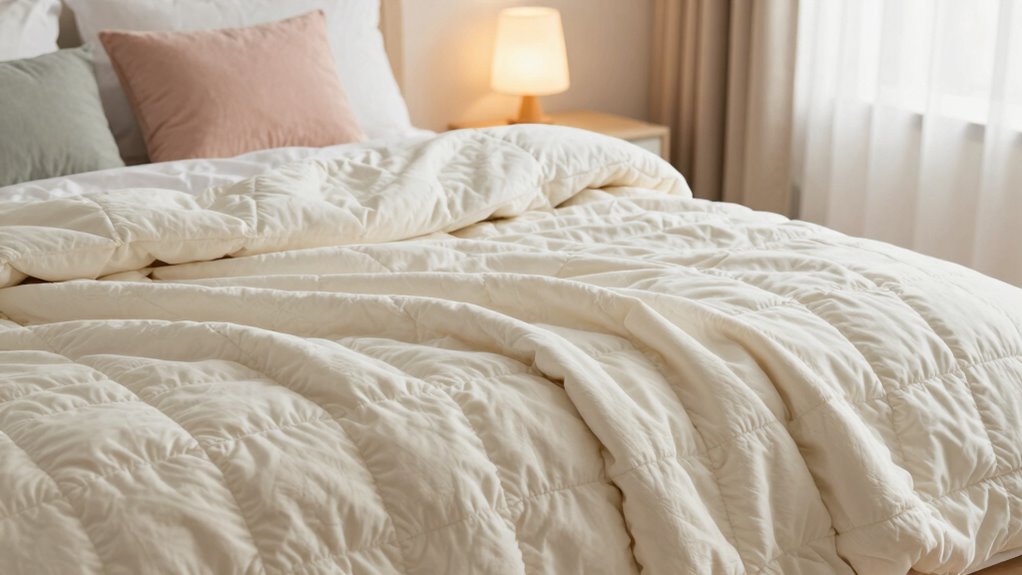

Deep pressure from weighted blankets triggers a calming response by activating your nervous system’s pathways, helping you feel safe and relaxed. This gentle, even pressure encourages the release of mood-regulating chemicals like serotonin and melatonin, making you feel sleepy and content. It also lowers stress hormones like cortisol and adrenaline. Many find it reduces anxiety and sensory overload, improving sleep. If you want to discover why this works for some people, keep exploring the benefits of deep pressure therapy.

Get oils, diffusers and self-care delivered free — and shop member deals
- Fast, free delivery on millions of items
- Access to Prime Big Deal Days deals on October 6–7
- Prime Video, Amazon Music and more included
Key Takeaways
- Deep pressure from weighted blankets mimics a comforting hug, activating calming sensory pathways in the nervous system.
- It stimulates the release of serotonin and melatonin, promoting relaxation and sleep.
- The gentle pressure reduces cortisol and adrenaline, lowering stress and anxiety levels.
- Deep pressure signals safety to the brain, helping to regulate sensory processing and reduce overstimulation.
- Consistent use encourages a calming routine, making it easier for some people to unwind and fall asleep.
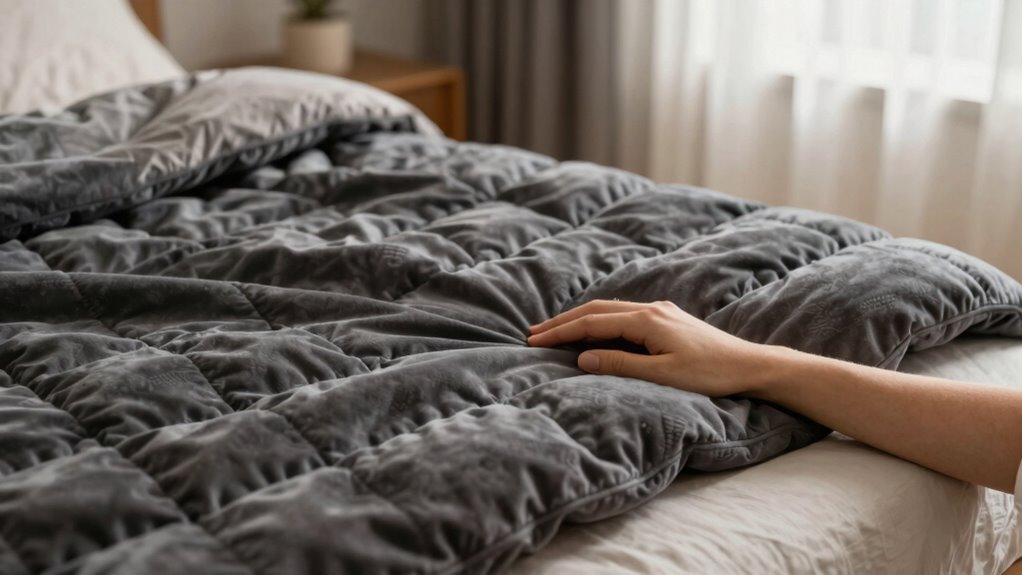
Weighted blankets have become a popular tool for promoting relaxation and improving sleep quality. You might find that wrapping yourself in one helps you drift off faster and stay asleep longer. These blankets apply gentle, even pressure across your body, mimicking the sensation of being hugged or held, which can have a calming effect on your nervous system. This sensation, known as deep pressure touch, is what makes weighted blankets particularly effective for enhancing sleep quality. When you use one, you may notice a reduction in tossing and turning, waking less frequently during the night, and waking up feeling more refreshed.
Weighted blankets promote relaxation by mimicking hugs, reducing tossing, and helping you wake refreshed.
Stress relief is another key benefit of using a weighted blanket. When you’re under stress, your body responds with increased heart rate, muscle tension, and heightened alertness—all of which can interfere with restful sleep. The deep pressure provided by a weighted blanket signals your nervous system to relax, helping to lower cortisol levels, the hormone associated with stress. This calming effect can create a sense of safety and comfort, making it easier to let go of worries that keep you up at night. Over time, consistent use can help you manage daily stress better, reducing its impact on your sleep patterns. Additionally, the calming effect of weighted blankets may be particularly helpful for individuals with sensory processing issues or anxiety, providing a predictable and soothing sensory input. Understanding how deep pressure touch influences the nervous system can help explain why many find relief with these blankets.
The sensation of deep pressure can also influence your brain chemistry, encouraging the release of serotonin and melatonin, which are essential for mood regulation and sleep. When these chemicals increase, you feel more relaxed and sleepy, contributing to better sleep quality. Conversely, the blanket’s gentle pressure can decrease the production of adrenaline and cortisol, hormones linked to anxiety and stress. Because of this, many people find that a weighted blanket not only helps them sleep better but also makes them feel calmer during stressful moments or when experiencing anxiety. Additionally, the use of weighted blankets can be particularly beneficial for individuals with sensory processing issues or anxiety, providing a consistent pressure stimulus that can help regulate sensory input and promote calmness. Incorporating sensory input strategies like weighted blankets can be especially helpful for those with sensory processing challenges. Moreover, some research suggests that the neurochemical effects of deep pressure may contribute to its calming properties, further supporting its use for mental health benefits.
You might notice that using a weighted blanket becomes a part of your nightly routine, signaling to your brain that it’s time to wind down. For some, this routine reduces the time it takes to fall asleep and improves overall restfulness. The comforting pressure can also help alleviate symptoms of sensory processing issues or anxiety, making it easier to relax even when your mind is racing. The key is finding the right weight—usually about 10% of your body weight—that offers enough pressure without feeling restrictive. As you incorporate a weighted blanket into your sleep routine, you’ll likely discover that both your sleep quality and stress levels benefit profoundly, helping you wake up feeling more refreshed and resilient to daily pressures.
As an affiliate, we earn on qualifying purchases.
Frequently Asked Questions
Can Weighted Blankets Help With Anxiety or Depression?
Yes, weighted blankets can help with anxiety and depression. They promote sleep improvement by providing calming deep pressure that resembles a gentle hug, which can soothe your nervous system. This sensory integration helps reduce feelings of stress and overwhelm, making it easier to relax. Many people find that using a weighted blanket regularly can enhance their overall mood and emotional well-being, especially during anxious or depressive episodes.
Are Weighted Blankets Safe for Children?
Weighted blankets can be safe for children if used properly, but you should always choose the right weight and size for their age and body. They can support children’s sleep and aid sensory development, especially for those with sensory processing issues. However, supervise use closely, avoid excess weight, and consult a healthcare professional to verify safety, especially for very young children or those with health concerns.
How Do I Choose the Right Weight for a Blanket?
Ever wonder how to pick the right weight for your blanket? You should choose one that’s about 10% of your body weight for ideal comfort. Consider material options like cotton, fleece, or bamboo, which affect breathability and feel. Maintenance tips include washing according to label instructions and avoiding harsh detergents. Is your chosen weight and material aligning with your comfort and needs?
Can Weighted Blankets Replace Medication or Therapy?
Weighted blankets can’t replace medication or therapy, but they can complement your treatment. With a variety of color options and fabric choices, you can find one that suits your style and comfort preferences. Using a weighted blanket alongside your prescribed treatments may help reduce anxiety and improve sleep, but always consult your healthcare provider first. Remember, a blanket isn’t a substitute—it’s an additional tool for your overall well-being.
Are There Any Risks or Side Effects of Using Weighted Blankets?
You should be aware that weighted blankets might cause risks or side effects, especially if you have allergy concerns or fabric sensitivities. Some blankets contain materials that could trigger allergic reactions or skin irritation. If you experience discomfort, itching, or breathing issues, stop using the blanket and consult a healthcare professional. Always choose a blanket made from hypoallergenic, breathable materials to minimize potential risks and guarantee safe, comfortable use.
Conclusion
Imagine being wrapped in a gentle, grounding hug from a calm, steady friend. That’s what a weighted blanket offers—a soothing embrace that calms your mind and relaxes your body. As the pressure sinks in like warm waves washing over you, stress melts away, leaving you centered and peaceful. So next time your nerves are frayed, reach for that comforting weight and let it cradle you into a restful, tranquil night.
Halloween Picks
halloween
As an affiliate, we earn on qualifying purchases.