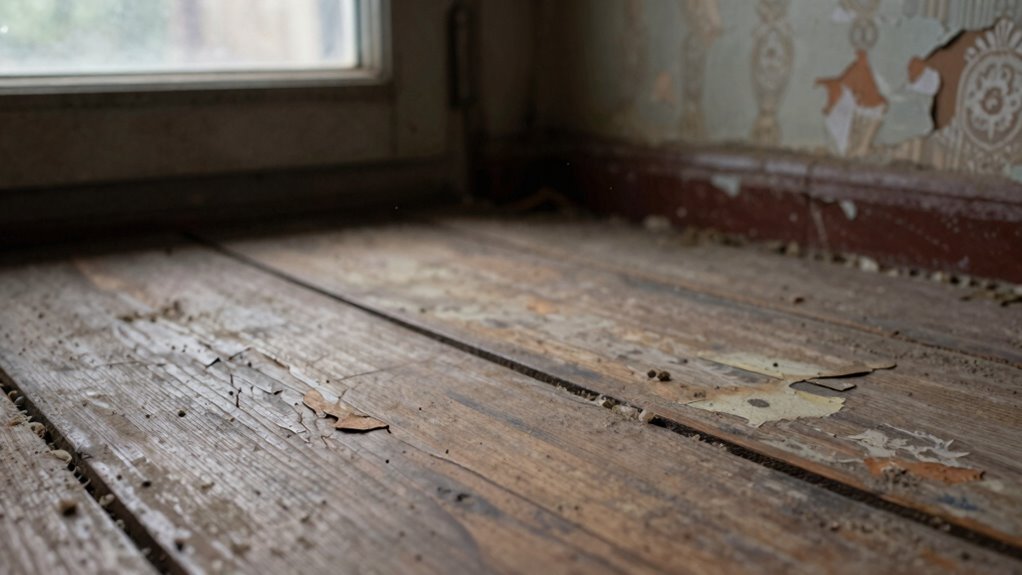

Old house smell mainly comes from mold, microbial growth, and moisture trapped behind walls, under floors, or in soil around plants. Over time, decaying organic matter and damp conditions release musty odors that linger. Poor ventilation and hidden plumbing leaks can also contribute by creating damp environments for mold to thrive. You’ll discover more about how these hidden issues impact your home’s scent and how to address them effectively as you explore further.
Key Takeaways
- Microbial growth from mold, bacteria, or decaying organic matter in soil, roots, or hidden moisture causes the old house smell.
- Leaks, plumbing issues, or damp walls create mold and VOCs that contribute to stale odors.
- Poor ventilation and high humidity trap moisture, promoting mold growth and persistent odors.
- Dust, old insulation, and structural issues can harbor odors, intensifying the old-house smell.
- Addressing underlying moisture, cleaning thoroughly, and maintaining proper airflow are essential to eliminate the odor.

If you’ve noticed a persistent musty odor in your old house, you’re not alone. That stale smell can be frustrating, and it often seems to linger no matter what you do. While many assume it’s just part of aging, the real causes are usually more specific. Understanding these can help you tackle the problem effectively and make your home feel fresh again. One common factor is the overall houseplant health. If you have indoor plants, their soil and roots can harbor mold or bacteria, especially if they’re overwatered or poorly drained. These microbes produce odors that seep into the air, contributing to that old-house smell. Additionally, decaying plant matter or dead leaves trapped in pots can emit unpleasant aromas over time. Maintaining healthy houseplants involves proper watering, good drainage, and regular cleaning of pots to prevent mold buildup. Doing so reduces this source of odor and improves your home’s air quality. Recognizing the metaphysical significance behind persistent odors can also motivate you to address underlying issues more thoroughly. Keeping an eye on indoor air quality and addressing microbial growth in houseplants can further help in eliminating the smell. Regularly inspecting your plants for signs of mold or root rot is also a good practice to prevent ongoing issues.
Another major contributor to that musty smell stems from plumbing issues. Old pipes, leaks, or hidden moisture behind walls create perfect conditions for mold growth. When water seeps into tiny cracks or leaks go unnoticed, it fosters a damp environment—ideal for mold spores to multiply. These spores release volatile organic compounds (VOCs), which are responsible for that characteristic stale smell. Sometimes, the smell originates from hidden areas like crawl spaces, basements, or under sinks, where plumbing problems often occur but go unnoticed for a while. If you notice damp patches, peeling paint, or a persistent musty odor near plumbing fixtures, it’s a sign you should investigate further. Addressing plumbing issues quickly prevents mold from spreading and minimizes the smell. Fixing leaks, replacing old pipes, and ensuring proper drainage are essential steps. Proper ventilation can also help reduce moisture levels and improve air quality inside your home. Regularly inspecting and maintaining your plumbing system is an important part of home hygiene that often goes overlooked. Additionally, sealing any gaps around plumbing fixtures and ensuring good airflow can further reduce persistent dampness and odors. Incorporating moisture control measures, like dehumidifiers, can also be beneficial in damp areas.
While these are the primary causes, other factors like poor ventilation, accumulated dust, and even old insulation can contribute to that old-house smell. But the key is to identify the root cause—whether it’s houseplant health or plumbing issues—and address it directly. Regular maintenance, good hygiene, and proper repairs can make a significant difference. Don’t just cover up the odor with air fresheners; instead, find the source and eliminate it. This way, your home won’t just smell better temporarily but will genuinely be healthier and more comfortable for you. Understanding what fuels that musty aroma empowers you to take the right steps, turning your old house into a fresher, more inviting space.
As an affiliate, we earn on qualifying purchases.
Frequently Asked Questions
Can New Renovations Cause Old House Smell?
Yes, new renovations can cause old house smell. During renovations, you often encounter renovation odors from fresh paint, new flooring, and other materials that release volatile organic compounds (VOCs). These odors can linger, mixing with existing smells and creating a temporary “old house” scent. Proper ventilation, using low-VOC products, and airing out the space help reduce these smells, making your home smell fresher faster.
Does Weather Affect the Intensity of the Smell?
Yes, weather considerably affects the intensity of the old house smell. Environmental factors like humidity and temperature influence odor persistence, making the smell stronger during damp, warm conditions. When it’s rainy or humid, odors tend to linger longer and become more noticeable. Conversely, dry, cool weather can lessen the smell’s intensity. Understanding these factors helps you manage and reduce odor buildup effectively.
Are Certain Building Materials More Prone to Odor?
Certain building materials are notorious for their odor retention, almost as if they have a secret pact to trap every scent you encounter. Materials like plywood, pressed wood, and carpets tend to harbor smells more than concrete or ceramic tiles. You’ll notice that these porous surfaces absorb and cling to odors, making them prime culprits behind that infamous old house smell. Choosing less porous alternatives can considerably reduce persistent odors.
How Long Does It Take to Eliminate the Smell?
It typically takes a few days to a few weeks to eliminate old house smell, depending on air circulation and odor absorption. Improving airflow by opening windows and using fans speeds up the process. Clean surfaces thoroughly and consider odor absorbers like baking soda or charcoal to help remove lingering smells. Consistent ventilation and deep cleaning are key to effectively reducing and eventually eliminating the smell from your space.
Is Old House Smell Harmful to Health?
Old house smell can be harmful to your health, especially since it signals poor indoor air quality and possible mold growth. Mold spores release allergens and toxins that may cause respiratory issues or worsen allergies. While the smell itself isn’t always dangerous, lingering mold and indoor pollutants can pose significant health risks. Regular ventilation, mold inspections, and cleaning are essential to keep your indoor air safe and protect your well-being.
Conclusion
So, next time you notice that nostalgic scent lingering in an older home, remember it’s just a gentle reminder of the stories it holds. With a little care and attention, you can refresh the atmosphere and bring a renewed sense of comfort. Embrace the charm of age while subtly guiding it toward a fresher, brighter space. After all, every house has its own quiet personality—waiting for you to make it truly feel like home.