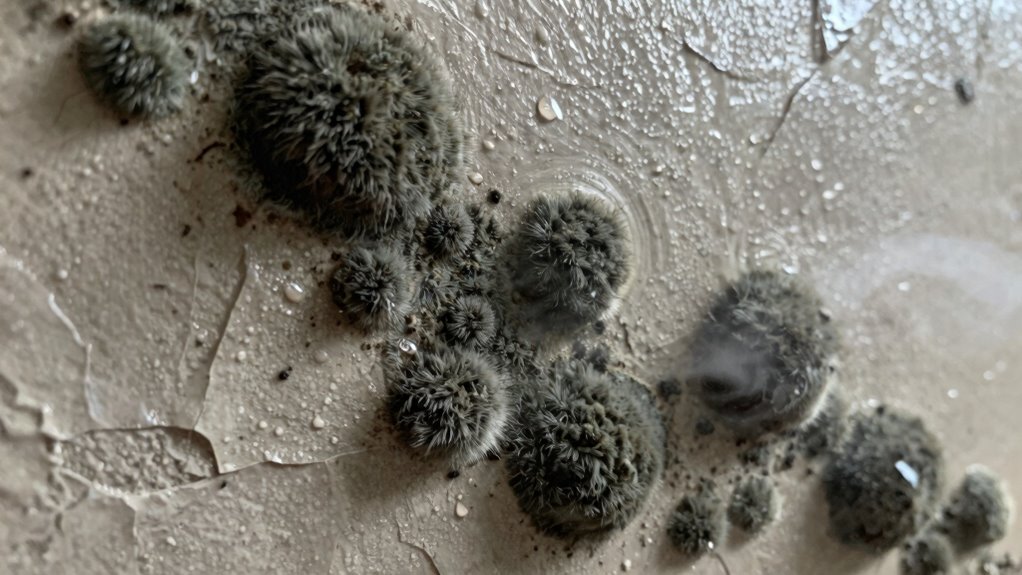

Mold smell indicates mold spores or VOCs are nearby, serving as a warning sign of potential mold presence, but it doesn’t always mean you’re exposed or at risk. Exposure depends on factors like the mold type, duration, and your sensitivity. Some people might notice the odor without experiencing health issues, while others could develop symptoms. Understanding this difference helps you identify potential health risks and take appropriate action—there’s more to uncover if you want to protect your environment.

Get oils, diffusers and self-care delivered free — and shop member deals
- Fast, free delivery on millions of items
- Access to Prime Big Deal Days deals on October 6–7
- Prime Video, Amazon Music and more included
Key Takeaways
- Mold smell indicates active mold presence but doesn’t always mean harmful exposure will occur.
- Exposure risk depends on mold type, duration, and individual sensitivity, not just odor detection.
- Some molds produce odors without releasing harmful spores, so smell alone isn’t a health indicator.
- Air testing is required to confirm mold spore levels and assess potential health risks.
- Recognizing mold smell prompts investigation but isn’t a definitive measure of exposure severity.

Mold smell often signals the presence of mold spores lurking in your environment, even if you can’t see them. When you notice a musty odor, it’s a clear sign that mold is active somewhere nearby, and this odor can impact the air quality in your home or workplace. Mold spores release volatile organic compounds (VOCs), which contribute to that distinctive smell. While the smell itself doesn’t always mean you’re exposed to dangerous levels of mold, it’s a warning sign that you should investigate further. Poor air quality caused by mold spores can lead to health issues, especially for those with allergies or respiratory conditions. Recognizing the smell helps with symptom identification, enabling you to take steps before mold exposure causes more serious health problems.
However, it’s crucial to understand that mold smell and mold exposure aren’t exactly the same thing. The smell indicates mold presence, but it doesn’t necessarily mean you’re inhaling harmful amounts of spores. Many factors influence whether mold exposure will affect you, including the duration of exposure, the type of mold, and your individual sensitivities. For example, some people might notice the smell but experience no health effects, while others might develop symptoms like coughing, sneezing, or throat irritation. If you’re experiencing symptoms consistent with mold exposure, it’s vital to assess your environment’s air quality. That way, you can determine if mold spores are present in quantities that could impact your health. Assessing air quality is essential in identifying potential health risks associated with mold.
The connection between mold smell and exposure lies in the fact that the presence of a moldy odor often correlates with higher concentrations of airborne spores. Yet, the absence of a smell doesn’t mean your environment is mold-free—some molds are odorless, and spores can be present without a strong smell. This makes symptom identification essential. If you start noticing allergy-like symptoms or respiratory issues, even without a noticeable smell, it’s wise to get your air tested. Tests can reveal mold spores or mold fragments in the air, confirming whether exposure is occurring. Addressing mold growth promptly can improve air quality and help prevent health problems. Additionally, understanding mold types can aid in determining the potential severity and necessary remediation steps. Regular mold testing and inspection can be an effective way to catch hidden mold growth early before it becomes a significant health concern. Being aware of the volatile organic compounds emitted by mold can also help in early detection efforts. It is also beneficial to educate yourself on the signs of mold, so you can recognize potential issues even before odors or symptoms arise.
As an affiliate, we earn on qualifying purchases.
Frequently Asked Questions
Can Mold Smell Cause Health Problems Without Visible Mold?
Yes, mold odor can cause health problems even without visible mold. The mold smell often indicates hidden mold lurking in walls, floors, or ceilings, which can release spores and toxins. When you breathe in this mold odor, you might experience allergy symptoms, respiratory issues, or other health problems. It’s important to address the source of the hidden mold promptly to prevent ongoing health risks, even if you don’t see any visible mold.
How Long Does Mold Smell Typically Linger After Cleaning?
Mold smell can linger for days to weeks after cleaning, especially if odor absorption persists. Studies show that odors can stick around for 2-4 weeks without proper ventilation. To speed up removal, improve air circulation and use odor absorbers like activated charcoal or baking soda. Regular cleaning, thorough drying, and fresh air help eliminate lingering smells, so your space feels fresh faster.
Are All Types of Mold Associated With a Musty Odor?
Not all mold types produce a musty odor. Mold odor detection varies depending on the specific mold species and the environment. Some molds, like Aspergillus, may not have a strong smell, making odor detection unreliable for identifying mold presence. You should rely on visual signs and professional testing rather than just odor detection, especially because certain mold types can be hidden and still pose health risks even without a noticeable smell.
Can I Be Exposed to Mold Without Noticing Any Smell?
Imagine a silent intruder sneaking into your home—mold can expose you without any noticeable smell. You might not detect odor sources, making mold detection tricky. Even if your space smells fresh, hidden mold could be lurking behind walls or under floors. Regular inspections, moisture control, and air quality tests help identify unseen mold, so you stay safe without relying solely on your nose.
What Are the Most Common Symptoms of Mold Exposure?
You might notice symptoms like coughing, sneezing, throat irritation, or nasal congestion if you’re exposed to mold growth. Mold releases spores that can affect your indoor air quality, leading to respiratory issues, especially if you have allergies or asthma. You could also experience skin rashes or headaches. Keep an eye out for these signs, as poor indoor air quality from mold can profoundly impact your health and comfort.
Conclusion
Remember, mold smell and mold exposure are connected but not identical—just because you notice a musty odor doesn’t mean you’re at immediate health risk. Notably, studies show that about 50% of people living in damp environments report respiratory issues, highlighting the importance of addressing mold concerns early. Stay vigilant: eliminate musty odors promptly and seek professional help if you suspect mold exposure. Protect your health by staying informed and proactive about mold in your space.
Evergreen bestsellers Picks
bestsellers
As an affiliate, we earn on qualifying purchases.