During humid summers, your indoor air feels dirtier because higher moisture levels promote airborne allergens like dust mites, pet dander, and pollen, making the air feel heavy and sticky. Excess moisture also encourages mold growth on walls and furniture, releasing spores into the air that can worsen allergies and asthma. Poor ventilation traps these pollutants, compounding the issue. If you want to understand how to improve your indoor air quality, there’s more to discover.
Key Takeaways
- High humidity increases airborne allergens like dust mites, pet dander, and pollen, making the air feel dirtier.
- Excess moisture promotes mold growth, which releases spores and musty odors, deteriorating indoor air quality.
- Humid conditions cause condensation and dampness, trapping pollutants and reducing ventilation effectiveness.
- Mold and allergens settle on surfaces or linger in the air, contributing to a heavy, oppressive indoor atmosphere.
- Poor ventilation during humid months traps pollutants, intensifying the sensation of stale, contaminated air.
During humid summers, indoor air quality can quickly become uncomfortable and even harmful. The high moisture levels create the perfect environment for airborne allergens to thrive, making it harder for you to breathe easily. When humidity rises, dust mites, pet dander, and pollen tend to become more airborne, increasing the chances of allergic reactions or respiratory discomfort. These tiny particles float around your living space, settling on surfaces or lingering in the air, which can cause sneezing, coughing, or worsening asthma symptoms. You might notice that your usual indoor air feels heavier or stickier during these months, and that’s because of the increased presence of airborne allergens that are difficult to eliminate without proper ventilation or filtration.
One of the biggest concerns during humid weather is mold growth, which not only damages your home but also seriously impacts indoor air quality. Mold spores thrive in moist environments, and when humidity levels stay above 60%, mold can grow on walls, ceilings, furniture, and even behind appliances. As mold colonies develop, they release spores into the air, further deteriorating your indoor air quality. These spores are microscopic and easily inhaled, aggravating allergies and leading to respiratory issues, especially if you’re sensitive or immune-compromised. Mold growth isn’t always visible to the naked eye, but its presence can be felt through a musty odor or increased allergy symptoms, warning you that your indoor environment is becoming unhealthy.
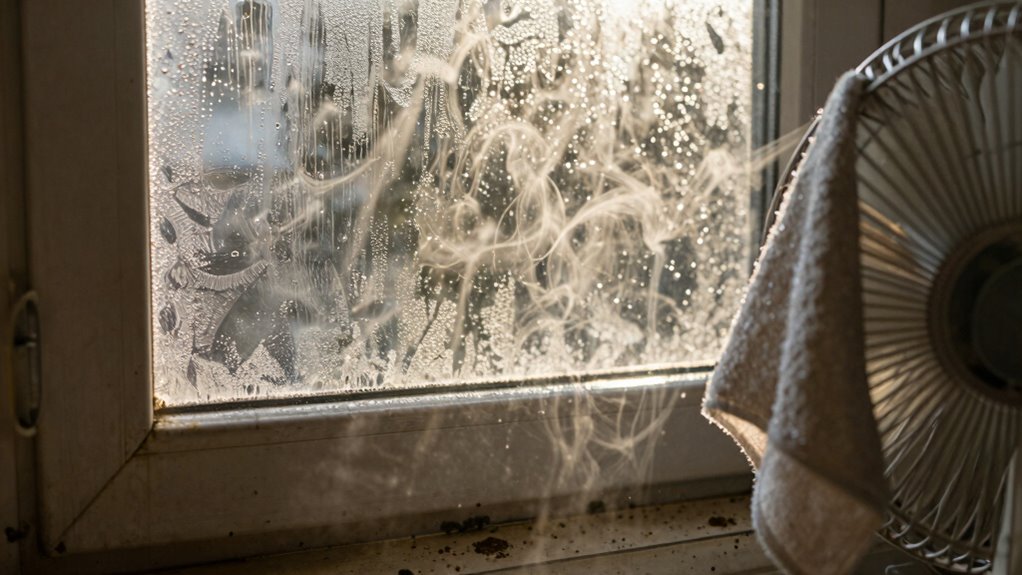
In addition to mold and airborne allergens, high humidity can cause other indoor air quality problems. For example, excess moisture can lead to condensation on windows and walls, which fosters an environment where mold and bacteria can flourish. This, combined with poor ventilation, traps pollutants inside your home, making the air feel dirtier and more oppressive. You might notice a lingering smell of dampness or notice that your home feels stuffy, which is often a sign that your indoor air is compromised. Without proper dehumidification or air purification, these issues can compound, creating a cycle where the air feels increasingly contaminated and difficult to breathe.

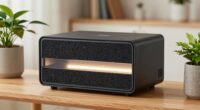
LEVOIT Air Purifier for Home Allergies and Pets Hair Smokers in Bedroom, H13 True HEPA Filter, 24db Filtration System Cleaner Odor Eliminators, Remove 99.97% Dust Smoke Mold Pollen, Core 300, White
- Certified by AHAM: Ensures reliable air quality performance
- Powerful Cleaning: 56W motor with 143 CFM CADR
- Effective for Large Rooms: Covers up to 1073 ft²
As an affiliate, we earn on qualifying purchases.
As an affiliate, we earn on qualifying purchases.
Frequently Asked Questions
How Does Humidity Affect Indoor Air Filtration Systems?
Humidity levels directly influence your indoor air filtration system’s effectiveness. High humidity can diminish air purifier efficiency by encouraging mold and dust mites to flourish, making filters work harder. You should regularly calibrate your humidity sensor to guarantee accurate readings. Proper humidity management keeps the air purifier functioning at its best, preventing excess moisture from clogging filters and maintaining cleaner, healthier indoor air.
Can Humid Air Cause More Mold Growth Indoors?
A gentle increase in humidity levels can subtly encourage mold spores to settle and multiply indoors. When the air feels humid, it provides an inviting environment for mold growth, especially in damp corners and porous surfaces. Maintaining ideal humidity levels helps prevent mold from flourishing, reducing indoor air concerns. You should monitor humidity carefully and guarantee proper ventilation, keeping mold spores at bay and preserving a cleaner, healthier indoor atmosphere.
Do Humid Summers Increase Indoor Dust Levels?
Yes, humid summers can increase indoor dust levels. The excess moisture encourages dust mites and mold, which contribute to dust accumulation. Plus, high humidity can cause dust particles to clump together, making the air feel dirtier. As a result, your perception of air quality worsens, even if the actual dust levels aren’t dramatically higher. Proper ventilation and dehumidifiers can help reduce dust buildup and improve your indoor air quality perception.
How Does Humidity Impact Indoor Air Allergy Symptoms?
Think of humidity as a magnet for allergy triggers and airborne particles; it makes them stick around longer. When humidity levels rise, you might notice more sneezing or watery eyes because allergens like mold and dust mites thrive. High moisture in the air can turn your home into an allergy hotspot, intensifying symptoms. Keeping humidity balanced helps reduce these triggers, easing your allergy symptoms and improving indoor air quality.
Are Certain Indoor Plants Better for Humid Environments?
Certain indoor plants are better suited for humid environments because of their humidity tolerance. You should choose plants like ferns, peace lilies, or Boston ferns, which thrive in high humidity. These indoor plant selections help improve air quality and resist mold or rot caused by excess moisture. By selecting plants with good humidity tolerance, you create a healthier, more comfortable indoor space even during humid summers.
Conclusion
Think of your home as a castle, and the humid summer air as a sneaky invader, bringing along unseen dirt and germs. Just like a fortress needs strong walls and vigilant guards, you need proper ventilation and dehumidifiers to keep your indoor air clean. When you fight back against the moisture invasion, your home stays a safe haven—clean, fresh, and welcoming, no matter how muggy it gets outside. Stay vigilant, and your castle will remain pristine.