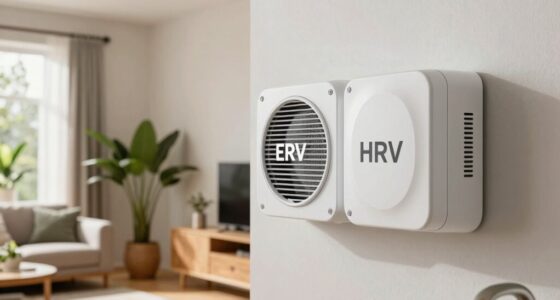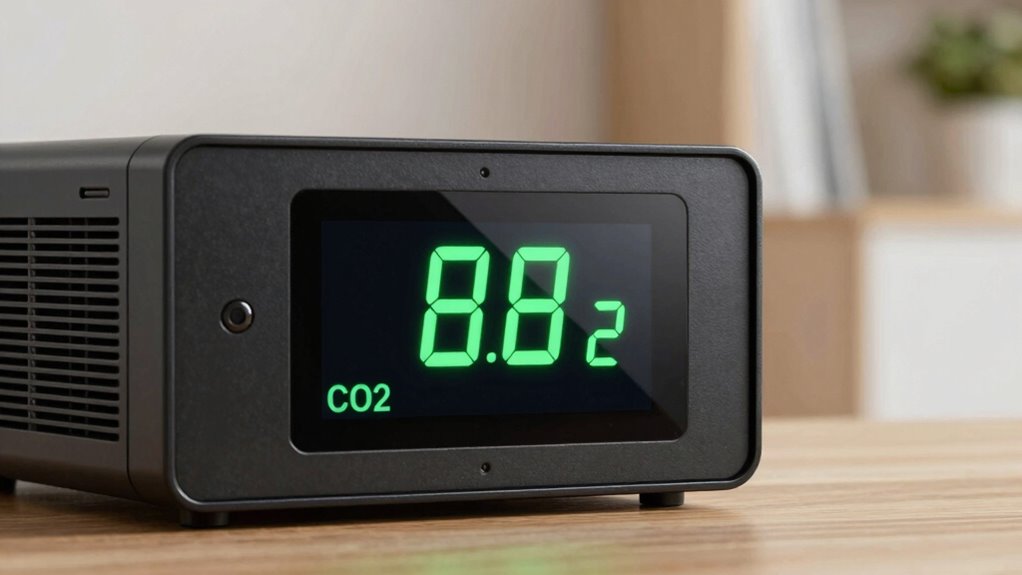

High CO2 levels mean your indoor air isn’t circulating well, which can make you feel stuffy, tired, or less alert. When levels rise above 1,000 ppm, it signals poor ventilation and a need to improve airflow. Exceeding 1,500 ppm shows the air quality is worsening and needs immediate action. Knowing what these numbers mean helps you maintain a healthier space—and there’s more to discover about managing indoor air effectively.

Get oils, diffusers and self-care delivered free with Prime
- Fast, free delivery on millions of items
- Prime Video, Amazon Music and more included
- Member-only deals all year
Key Takeaways
- High CO2 readings indicate poor indoor ventilation and increased risk of stuffiness, discomfort, and reduced alertness.
- Levels above 1,000 ppm suggest insufficient airflow, requiring ventilation improvements to maintain air quality.
- Elevated CO2 levels can signal stagnant air, potentially leading to health issues and decreased indoor air freshness.
- Monitoring CO2 helps determine when to open windows or activate ventilation systems for optimal air exchange.
- Consistently high readings highlight the need for better airflow management to ensure a healthy indoor environment.
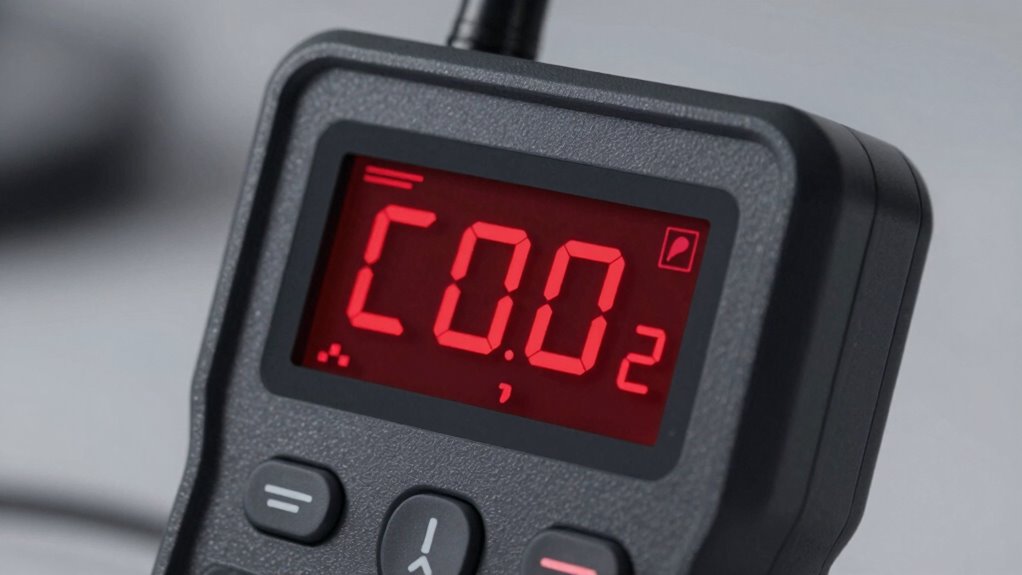
If you’re concerned about air quality, understanding CO2 monitors is essential. These devices help you measure the level of carbon dioxide in your indoor environment, providing valuable insights into your indoor air quality. High CO2 levels often indicate poor ventilation, which can lead to stuffiness, discomfort, and even health issues over time. By keeping an eye on these levels, you can make informed decisions about your ventilation strategies, ensuring your space stays fresh and healthy.
When a CO2 monitor shows elevated readings, it’s a sign that your indoor air isn’t circulating enough. This can happen in crowded rooms, enclosed offices, or homes that lack proper ventilation. The purpose of monitoring CO2 is to detect when these levels become unsafe or uncomfortable, prompting you to improve your ventilation strategies. Good indoor air quality depends on maintaining a balance—exchanging indoor air with fresh outdoor air helps dilute CO2 and other pollutants. If you notice your CO2 levels rising, it’s time to increase airflow by opening windows, using exhaust fans, or upgrading your ventilation system. Understanding what poor ventilation really means is key. For example, a CO2 level below 600 parts per million (ppm) generally indicates good air quality. When levels reach around 1,000 ppm, most people start feeling the effects of stuffiness and decreased alertness. Anything above 1,500 ppm is a clear warning sign that your indoor air quality is deteriorating, and you should take immediate action. In spaces where people gather for extended periods, such as classrooms or conference rooms, keeping CO2 levels low is especially important. Regularly monitoring helps you identify the right times to improve ventilation, preventing the buildup of CO2 and other indoor pollutants. Maintaining proper ventilation is crucial for a healthy indoor environment, especially in spaces with limited fresh air exchange, which directly impacts indoor air quality. Recognizing the relationship between CO2 levels and overall air quality can help you better interpret your monitor readings and take appropriate steps.
CO2 monitor for indoor air quality
As an affiliate, we earn on qualifying purchases.
As an affiliate, we earn on qualifying purchases.
Frequently Asked Questions
How Accurate Are Consumer-Grade CO2 Monitors?
Consumer-grade CO2 monitors can be fairly accurate if you place the sensor properly, avoiding drafts and heat sources. However, their accuracy depends on sensor quality and calibration. You should interpret the data carefully, considering that placement affects readings. Keep in mind that these monitors give estimates, not precise measurements, so use them as guides for improving air quality rather than absolute values.
Can High CO2 Levels Cause Immediate Health Effects?
High CO2 levels can cause immediate health symptoms, especially if indoor ventilation is poor. Studies show that CO2 concentrations above 1,000 ppm can lead to headaches, dizziness, and fatigue. When ventilation isn’t sufficient, you might experience these symptoms right away, highlighting the importance of maintaining good airflow. Monitoring CO2 helps you identify when indoor air quality needs improvement to keep everyone safe and comfortable.
How Often Should CO2 Monitors Be Calibrated?
You should calibrate your CO2 monitor at least once every six months to guarantee accurate readings. Regular sensor maintenance, including calibration, helps maintain the device’s precision over time. If you notice inconsistent or unexpected readings, consider calibrating more frequently. Proper calibration frequency ensures your monitor accurately detects CO2 levels, safeguarding your health and maintaining reliable indoor air quality measurements.
Do All Environments Require CO2 Monitoring?
Not every environment needs CO2 monitoring, but it’s crucial where ventilation standards and air quality regulations are strict. If you’re in a crowded space like a classroom, office, or industrial setting, monitoring CO2 levels helps ensure proper airflow and health safety. You don’t want to be caught with your pants down, so it’s best to evaluate your environment’s risk factors and comply with local regulations to maintain good air quality.
What’s the Safest CO2 Level for Indoor Air Quality?
The safest CO2 level for indoor air quality is around 400 to 800 ppm. To maintain this, you should implement effective ventilation strategies and guarantee consistent air exchange, especially in crowded or enclosed spaces. Keeping CO2 levels in check helps prevent drowsiness, poor concentration, and health issues. Regularly monitoring with a CO2 detector allows you to adjust ventilation promptly, maintaining a safe, healthy environment for everyone inside.
Conclusion
Think of your CO2 monitor as a silent guardian, a lighthouse guiding you through the fog of indoor air quality. When it signals high levels, it’s like a storm brewing on the horizon—warning you to open windows or improve ventilation. Just as a lighthouse keeps ships safe, your monitor keeps your space healthy. Pay attention, act swiftly, and let fresh air be your guiding star toward a safer, clearer environment.
Halloween Picks
halloween
As an affiliate, we earn on qualifying purchases.