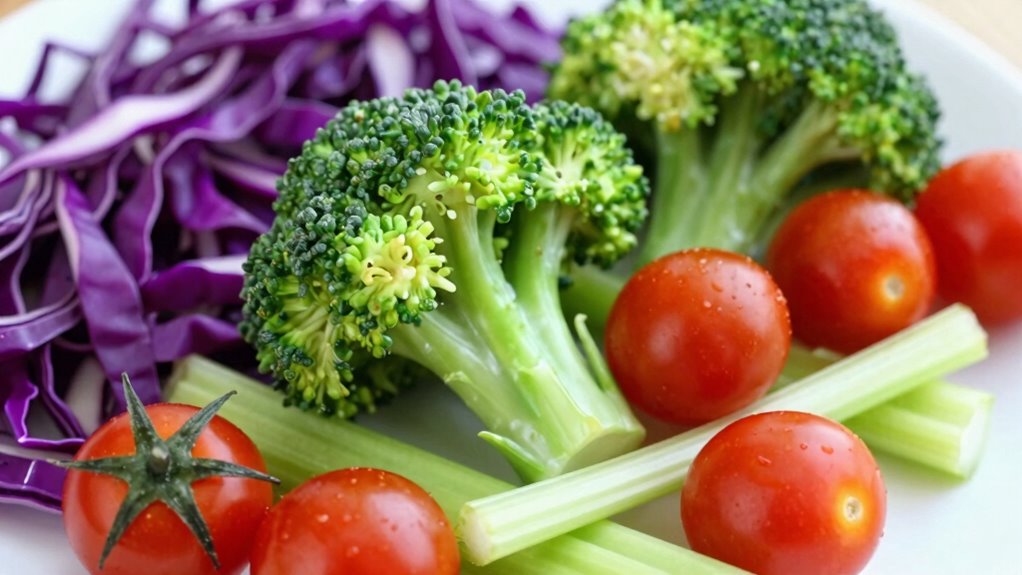

Some healthy vegetables trigger gas because your digestive system isn’t fully adapted to their complex compounds and fibers. Vegetables like broccoli and cabbage contain raffinose and oligosaccharides that are resistant to natural enzymes. When these reach your large intestine, gut bacteria ferment them, producing gases that cause bloating. Over time, your microbiome and enzyme production can improve, reducing symptoms. Keep exploring to discover how your digestion can better handle these vegetables and keep you comfortable.

Get oils, diffusers and self-care delivered free with Prime
- Fast, free delivery on millions of items
- Prime Video, Amazon Music and more included
- Member-only deals all year
Key Takeaways
- Some vegetables contain resistant compounds like raffinose and oligosaccharides that are difficult to digest.
- Fermentation of fiber by gut bacteria produces gases causing bloating and discomfort.
- Inexperienced digestive systems produce more gas from high-fiber vegetables, leading to bloating.
- A healthy, diverse microbiome improves fiber fermentation and reduces gas production.
- Gut adaptation and improved enzyme production over time help mitigate vegetable-induced gas.
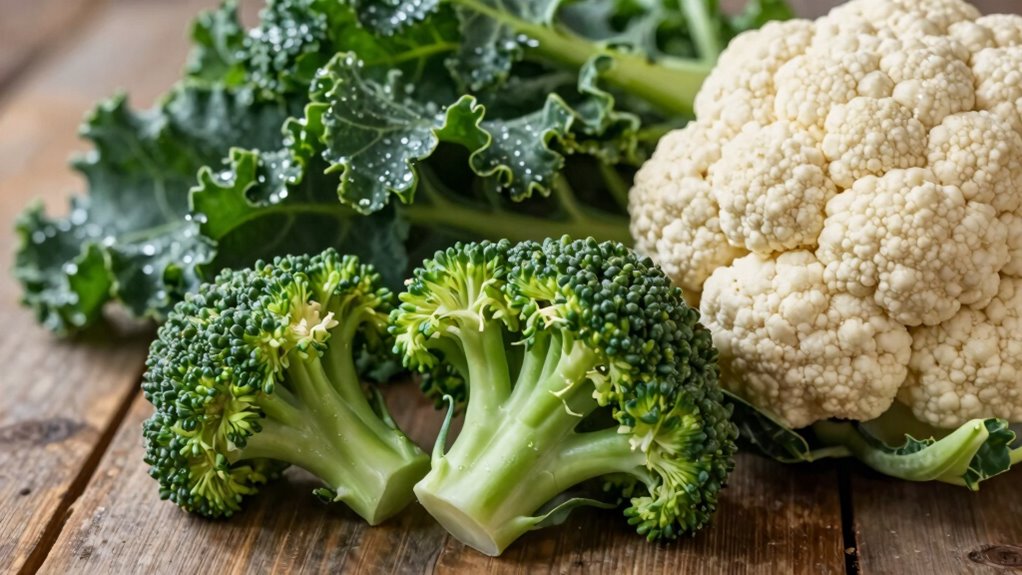
Many vegetables that are considered healthy can also lead to gas and bloating, especially if your digestive system isn’t used to them. The main reason behind this isn’t just the vegetables themselves but how your body processes them. When you eat certain vegetables, your digestive system has to break down complex compounds, often involving fiber fermentation and the release of gases. You might think you’re making a healthy choice, but these processes can cause discomfort if your body isn’t prepared.
Healthy vegetables can cause gas and bloating if your digestive system isn’t accustomed to processing their complex compounds.
One key factor is the role of digestive enzymes. Your body produces these enzymes to break down food in your stomach and intestines. However, some vegetables contain compounds that are resistant to your natural digestive enzymes. For example, cruciferous vegetables like broccoli, cauliflower, and cabbage contain raffinose and other oligosaccharides. These compounds aren’t easily digested and reach the large intestine intact. Once there, bacteria ferment these fibers during fiber fermentation, producing gases like hydrogen, methane, and carbon dioxide. This fermentation process is normal, but if your digestive enzymes aren’t sufficient or if your gut bacteria produce an excess of gas, you’ll feel bloated and gassy.
The amount of fiber fermentation varies from person to person. If you’re not used to eating a lot of high-fiber vegetables, your gut bacteria may not be accustomed to processing these compounds efficiently. As a result, the fermentation process produces more gas, leading to discomfort. Over time, as your digestive system adapts, your body can produce more digestive enzymes, and your gut bacteria can become more efficient at fiber fermentation, reducing the gas and bloating. Additionally, enzyme production can be influenced by your diet and overall gut health, which can help mitigate these symptoms. Improving your gut microbiome through a balanced diet can also help your body handle these vegetables better. Recognizing the impact of gut bacteria on digestion highlights the importance of maintaining a diverse and balanced microbiome. Building a healthy gut microbiome can enhance your digestion and reduce gas and bloating over time.
digestive enzyme supplements for gas
As an affiliate, we earn on qualifying purchases.
As an affiliate, we earn on qualifying purchases.
Frequently Asked Questions
Do Cooking Methods Reduce Gas Production in Vegetables?
Yes, cooking techniques can reduce gas production in vegetables. When you cook vegetables, it helps break down their fiber, making them easier to digest. Techniques like boiling, steaming, or roasting soften the fiber and reduce its gas-producing effects. This process can lessen bloating and discomfort, especially for sensitive eaters. So, by adjusting your cooking methods, you can enjoy more vegetables with less worry about gas symptoms.
Can Individual Gut Bacteria Influence Vegetable-Induced Gas?
Did you know that your gut bacteria can influence vegetable-induced gas? Your unique mix of gut bacteria determines how efficiently your body breaks down dietary fibers. Some bacteria produce more gas during fermentation, making you more prone to bloating. If your gut bacteria aren’t balanced, you might experience more gas from vegetables. Personalizing your diet and improving your gut health can reduce symptoms and help you enjoy more fiber-rich foods comfortably.
Are Gas-Causing Vegetables Safe to Eat for Health?
Gas-causing vegetables are generally safe to eat for health, as long as you consider fiber fermentation and enzyme activity. These vegetables provide essential nutrients and fiber that support digestion, but their fermentation by gut bacteria produces gas. To minimize discomfort, try eating smaller portions, cooking vegetables to enhance enzyme activity, and gradually increasing intake. This way, you enjoy their benefits without excessive bloating or gas.
How Can I Prevent Gas When Eating These Vegetables?
To prevent gas when eating vegetables, start by gradually increasing your intake to build tolerance. Chew your food thoroughly to aid digestion. Soaking or cooking vegetables can reduce vegetable fiber that causes gas production. Consider taking over-the-counter enzymes designed to break down complex carbs. Staying active after eating also helps move gas through your system. These steps can help you enjoy vegetables without uncomfortable gas.
Do Age or Gender Affect Gas Sensitivity From Vegetables?
They say “age is just a number,” and it’s true—your age and gender can influence how your body reacts to vegetables. Genetic factors and dietary habits shape your sensitivity to gas-causing compounds. Women and older adults might experience more gas due to hormonal changes and digestive shifts. Adjusting your diet based on these factors can help reduce discomfort, so listen to your body and tweak your intake accordingly.
Conclusion
So, next time you notice a bit of gentle discomfort after enjoying those “healthy” veggies, remember it’s just your body’s way of saying it’s grateful for the effort. Sometimes, the very foods that nourish us can also give a subtle nudge in unexpected ways. Embrace the gentle reminder that balance and moderation help keep your digestive journey smooth and enjoyable. After all, a little patience can turn these tiny quirks into a quiet testament to your commitment to health.
Halloween Picks
halloween
As an affiliate, we earn on qualifying purchases.