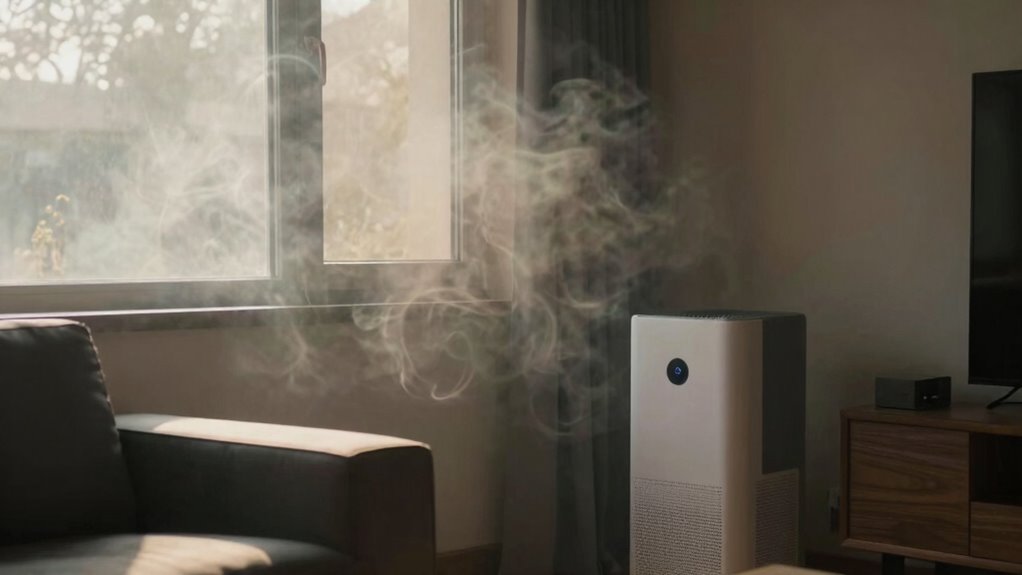

Wildfire smoke contains tiny particles and toxins that can deeply penetrate your indoor environment, making standard ventilation ineffective. You need specialized strategies, like using HEPA filters and portable air purifiers, to trap harmful particles and maintain clean indoor air. Sealing gaps around windows and doors is essential to prevent outdoor smoke from sneaking in. Managing ventilation carefully and monitoring indoor air quality helps keep your space safe. To learn effective tactics, explore more about building a resilient indoor strategy.

Get oils, diffusers and self-care delivered free with Prime
- Fast, free delivery on millions of items
- Prime Video, Amazon Music and more included
- Member-only deals all year
Key Takeaways
- Wildfire smoke contains tiny particles and toxins that require specialized filtration like HEPA filters for effective removal.
- Indoor air quality must be actively monitored to adjust filtration and ventilation strategies appropriately.
- Sealing gaps and controlling ventilation prevent outdoor smoke from infiltrating indoor spaces.
- During poor air quality, filtration systems need to operate at full capacity, and activities generating indoor pollutants should be minimized.
- A combined approach of filtration, sealing, and controlled ventilation is essential to protect indoor air during wildfires.
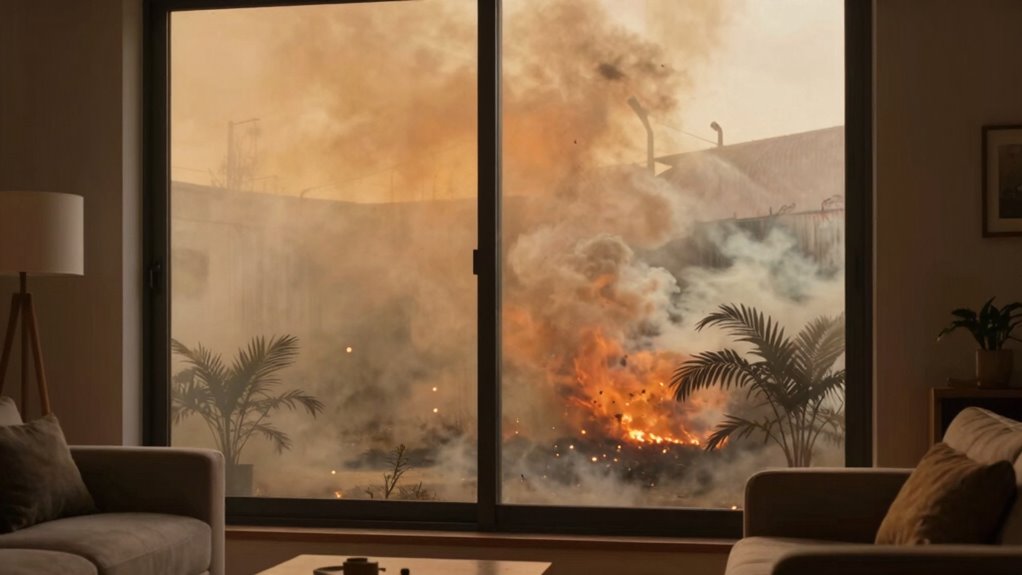
When wildfire smoke fills the air outside, your home becomes your best defense against harmful particles. The smoke contains tiny particles and toxins that can penetrate typical indoor environments, making it crucial to adapt your strategies. Standard air filtration methods might not suffice during wildfire events, so you need to step up your game to keep the air clean and safe. This involves understanding the importance of air filtration systems designed specifically for wildfire smoke and controlling ventilation effectively to prevent contaminated air from entering your home.
Air filtration becomes a critical line of defense. High-efficiency particulate air (HEPA) filters are your best option because they can trap small particles, including those from wildfire smoke. Regularly replacing or upgrading your filters ensures they’re working at full capacity. Portable air purifiers equipped with HEPA filters can be placed in common areas, providing an additional layer of protection. These devices work continuously to capture airborne particles, markedly reducing indoor pollutant levels. Remember, sealing gaps around windows and doors also enhances filtration efforts by preventing outdoor smoke from seeping inside. Proper sealing techniques are essential for maintaining a controlled indoor environment during wildfire events. Additionally, choosing specialized air filtration systems can significantly improve your home’s defenses against wildfire smoke. Incorporating air quality monitors can also help you track the effectiveness of your filtration efforts and make adjustments as needed. Being aware of indoor air quality allows for more responsive and targeted mitigation strategies.
Ventilation control is equally important. While fresh air is generally beneficial, during wildfire events, bringing in outside air can introduce more harmful particles. You should keep windows and exterior vents closed to minimize smoke infiltration. Mechanical ventilation systems, like heat recovery ventilators (HRVs) or energy recovery ventilators (ERVs), can be adjusted to recirculate indoor air without pulling in polluted outside air. If your home relies on natural ventilation, it’s best to limit airflow from outside until air quality improves. Using indoor air quality monitors can help you gauge when it’s safe to open windows or increase ventilation.
Another aspect of your indoor wildfire smoke strategy involves timing. Check local air quality reports regularly. When the air outside degrades, tighten your home’s defenses by ensuring your filtration systems are operating at peak performance and your windows and vents stay sealed. During periods of poor air quality, avoid activities that generate indoor pollutants, such as cooking or burning candles, which can compound the problem. Once outside air quality improves, gradually reintroduce fresh air while monitoring indoor air quality to prevent a sudden influx of smoke.
Ultimately, a tailored indoor strategy that emphasizes robust air filtration and strict ventilation control is crucial during wildfires. These measures work together to keep your indoor environment safe, minimizing your exposure to hazardous wildfire smoke. Staying vigilant and proactive ensures your home remains a sanctuary, even when the air outside is compromised. Incorporating proper ventilation techniques can further enhance your indoor air quality management during these events.
HEPA air purifier for wildfire smoke
As an affiliate, we earn on qualifying purchases.
As an affiliate, we earn on qualifying purchases.
Frequently Asked Questions
How Long Should I Stay Indoors During Wildfire Smoke Events?
You should stay indoors during wildfire smoke events until air quality monitoring shows safe levels, typically when the AQI drops below 100. Keep indoor ventilation minimal by closing windows and doors, and use air purifiers if available. Regularly check local air quality updates, and avoid outdoor activities. Staying inside helps protect your lungs from harmful particles, ensuring your indoor environment remains safer until outdoor air quality improves.
Can Indoor Plants Help Filter Wildfire Smoke?
Indoor plants can help improve indoor air quality, but they shouldn’t be your sole defense against wildfire smoke. While plant filtration absorbs some toxins, wildfire smoke contains tiny particles that require more robust measures, like air purifiers with HEPA filters. Don’t rely entirely on indoor greenery—use a combination of strategies to keep your air safe. Stay vigilant, because the right approach can make all the difference in protecting your health.
Are Air Purifiers Effective Against Wildfire Smoke Indoors?
Air purifiers are effective against wildfire smoke indoors because of advanced air purifier technology that captures tiny particles and harmful gases. They substantially improve indoor air quality by filtering out smoke particles, reducing health risks. To maximize their benefits, choose a purifier with a HEPA filter, run it continuously, and keep windows and doors closed. This strategy helps you breathe cleaner air and minimizes wildfire smoke’s impact inside your home.
What Are the Health Risks of Wildfire Smoke Exposure Indoors?
Exposure to wildfire smoke indoors can severely impact your indoor air quality and respiratory health. You might experience symptoms like coughing, throat irritation, or shortness of breath. Long-term exposure can worsen asthma or lead to chronic lung issues. To protect yourself, use air purifiers, keep windows closed, and avoid outdoor activities during smoke events. Prioritizing your indoor air quality helps safeguard your respiratory health from harmful wildfire pollutants.
Should I Seal Windows and Doors During a Wildfire Smoke Event?
Sealing your windows and doors during a wildfire smoke event is like locking in freshness; it helps keep smoky air out. Ventilation strategies become less effective when you leave them open, so sealing is essential. Use high-quality sealants to improve effectiveness, ensuring minimal gaps. This simple step can greatly reduce indoor smoke levels, protecting your health until the danger passes. Remember, a well-sealed home is your best defense.
Conclusion
Think of your home as a sturdy ship sailing through smoky, turbulent waters. To keep your crew safe, you need more than just a basic sail; you need a reinforced hull and specialized equipment to block out the storm’s harmful whispers. Wildfire smoke isn’t just a passing squall—it’s a relentless tide that demands a tailored response. By adopting the right indoor strategies, you’re steering your ship safely through the smoky seas, preserving your sanctuary amid the chaos.
Halloween Picks
halloween
As an affiliate, we earn on qualifying purchases.