

Low stomach acid, or hypochlorhydria, means your stomach isn’t producing enough acid, leading to symptoms like bloating, indigestion, and nutrient issues. In contrast, acid reflux happens when stomach acid flows back into your esophagus due to a weak valve, causing heartburn and a sour taste. Though they share symptoms like discomfort, their causes differ. Understanding these differences can help you find the right relief—there’s more to uncover if you want to know how to tell them apart.

Get oils, diffusers and self-care delivered free with Prime
- Fast, free delivery on millions of items
- Prime Video, Amazon Music and more included
- Member-only deals all year
Key Takeaways
- Low stomach acid causes insufficient digestion, leading to bloating and nutrient malabsorption, unlike acid reflux which causes heartburn and chest discomfort.
- Acid reflux results from a weakened lower esophageal sphincter, not necessarily low stomach acid levels.
- Low stomach acid often leads to bacterial overgrowth, while acid reflux is primarily due to a faulty valve preventing stomach acid from entering the esophagus.
- Diagnostic tests like pH monitoring differentiate between low acid production and reflux issues.
- Treatment strategies differ: increasing acid for low stomach acid versus reducing acid exposure for reflux.
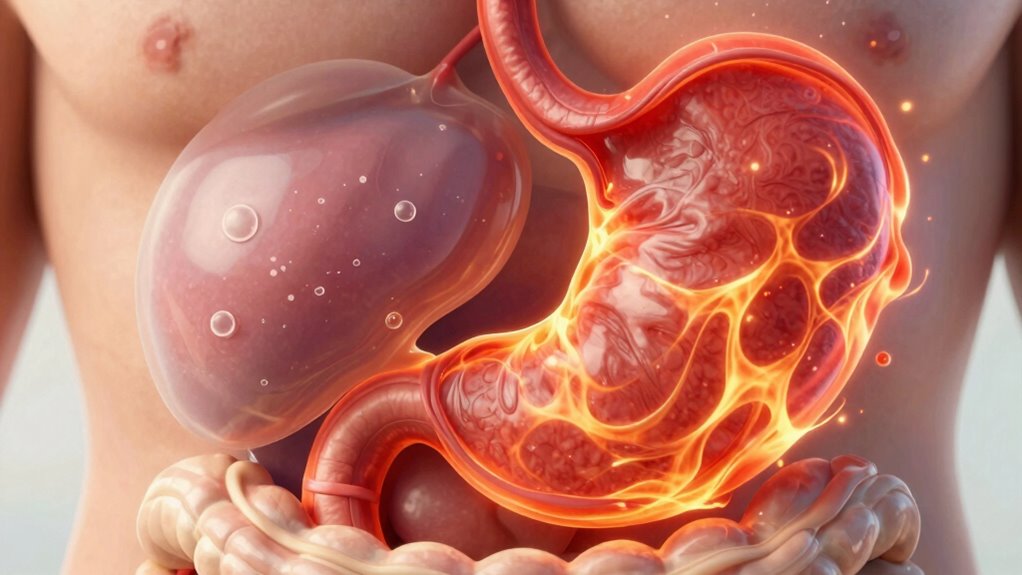
Have you ever wondered how low stomach acid differs from acid reflux? Many people confuse these two conditions because their symptoms often overlap, but understanding the differences can help you seek the right treatment. Low stomach acid, or hypochlorhydria, occurs when your stomach doesn’t produce enough hydrochloric acid. This deficiency can lead to issues like poor digestion, nutrient absorption problems, and even an increased risk of infections. Acid reflux, on the other hand, happens when stomach acid flows back into your esophagus, causing a burning sensation and discomfort. While both conditions involve stomach acid, their causes and effects are quite different.
Understanding the differences between low stomach acid and acid reflux is key to proper treatment.
In cases of low stomach acid, your digestive system struggles to break down food properly. You might notice symptoms like bloating, indigestion, and feeling full quickly after meals. Because there’s not enough acid to activate digestive enzymes, you may also experience a digestive enzyme deficiency, which exacerbates nutrient malabsorption. This can lead to deficiencies in vitamins and minerals, affecting overall health. Conversely, acid reflux usually presents with heartburn, a sour taste in your mouth, and chest discomfort—symptoms that occur when acid irritates the lining of your esophagus. It’s easy to see how these symptoms could overlap, especially since both conditions can cause stomach discomfort and indigestion.
One key difference lies in the root cause. Low stomach acid results from an underproduction of acid, which hampers digestion and increases the likelihood of bacteria surviving in your stomach. This bacterial overgrowth can lead to further digestive problems. Acid reflux, however, often stems from a weakened lower esophageal sphincter—a valve that normally prevents stomach contents from rising. Factors like obesity, certain foods, or hiatal hernias can contribute to reflux. Additionally, stomach acid levels play a crucial role in maintaining a balanced digestive environment, making proper diagnosis essential to address the underlying issue effectively. A comprehensive understanding of gastric acid production can also aid in distinguishing between these conditions. Furthermore, the impact of dietary choices can significantly influence the severity and frequency of these symptoms, emphasizing the importance of tailored lifestyle modifications.
It’s also important to note that symptoms overlap can make diagnosis tricky. For instance, heartburn is common in acid reflux, but it can also appear in those with low stomach acid if they experience indigestion or bloating. Conversely, symptoms like nausea, bloating, and feeling full are common in low stomach acid but might be mistaken for reflux symptoms. This overlap can lead to misdiagnosis, so understanding the underlying cause is vital. Tests like pH monitoring or stomach acid analysis can help determine whether you’re suffering from low acid or reflux. Proper diagnosis guarantees you get the right treatment, whether it’s increasing stomach acid production or reducing acid exposure to your esophagus.
As an affiliate, we earn on qualifying purchases.
Frequently Asked Questions
Can Low Stomach Acid Cause Nutrient Deficiencies?
Yes, low stomach acid can cause nutrient deficiencies because it hampers nutrient absorption and reduces digestive efficiency. When your stomach doesn’t produce enough acid, you may struggle to break down food properly, leading to poor absorption of essential nutrients like vitamins B12, iron, and magnesium. This can result in deficiencies over time, affecting your overall health. Addressing low stomach acid helps improve digestion and nutrient uptake, preventing these deficiencies.
What Are Common Symptoms of Low Stomach Acid?
Imagine trying to start a fire with damp wood—that’s like your digestive enzyme function when stomach acid is low. Common symptoms include bloating, indigestion, and food not feeling fully broken down. You might also experience heartburn or a sensation of fullness. Low stomach acid disrupts gastric pH balance, leading to inefficient digestion and these uncomfortable signs. Recognizing these symptoms helps you address the root cause effectively.
How Is Low Stomach Acid Diagnosed?
You can find out if you have low stomach acid through diagnostic tests and symptom assessment. Doctors often perform a Heidelberg test or a gastric pH test to measure acidity levels directly. They’ll also evaluate your symptoms, like bloating, indigestion, or nutrient absorption issues. Combining test results with your symptom history helps determine if low stomach acid is the cause, guiding effective treatment options.
Can Low Stomach Acid Lead to Infections?
Yes, low stomach acid can lead to infections. When your stomach acid is weak, it hampers digestive efficiency, allowing bacteria to overgrow in your gut. This bacterial overgrowth increases your risk of infections, as harmful microbes aren’t properly killed off. The lack of sufficient acid diminishes your body’s natural defense, making you more vulnerable to infections and digestive issues that can impact overall health.
Are There Natural Remedies for Low Stomach Acid?
Yes, you can use natural remedies for low stomach acid. Herbal supplements like ginger, apple cider vinegar, and bitters can stimulate digestion. Dietary adjustments, such as eating smaller meals, chewing thoroughly, and avoiding processed foods, help improve acid production. Incorporate these remedies gradually, and listen to your body’s response. Consulting a healthcare professional guarantees safe and effective use of herbal supplements and dietary changes for your specific needs.
Conclusion
Understanding the difference between low stomach acid and acid reflux helps you take control of your health. When you know if your symptoms stem from too little or too much acid, you can choose the right treatment. Recognize the signs, identify the cause, and act accordingly. With awareness, you can prevent discomfort, promote digestion, and restore balance. Because knowing the difference empowers you, understanding the difference empowers you, and managing your health empowers you.
Fall Picks
fall essentials
As an affiliate, we earn on qualifying purchases.