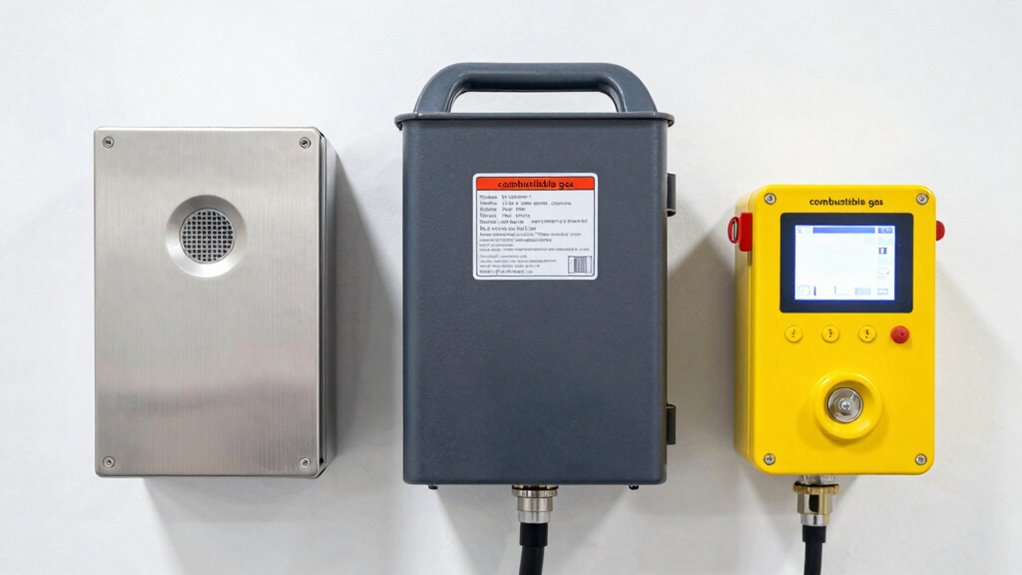

Natural gas detectors are designed to sense methane, which is lighter than air and rises easily, so they should be installed near ceilings. Propane detectors detect propane, heavier than air, so these should be placed low on walls or near floors. Combustible gas detectors can identify various flammable gases, including both natural gas and propane, in one device. Understanding these differences helps you choose the right detector for your safety needs—exploring further reveals how proper placement and maintenance enhance protection.

Get oils, diffusers and self-care delivered free — and shop member deals
- Fast, free delivery on millions of items
- Access to Prime Big Deal Days deals on October 6–7
- Prime Video, Amazon Music and more included
Key Takeaways
- Natural gas detectors are specifically designed to detect methane, the primary component of natural gas, which is lighter than air.
- Propane detectors target propane leaks, which are heavier than air, and are typically installed near the floor or low on walls.
- Combustible gas detectors can identify a range of flammable gases, including natural gas and propane, with sensors calibrated for multiple gases.
- Proper selection depends on the gas type; natural gas detectors are not suitable for detecting propane or other combustible gases.
- Placement and calibration are critical for all detectors to ensure accurate detection and early warning of potential hazards.
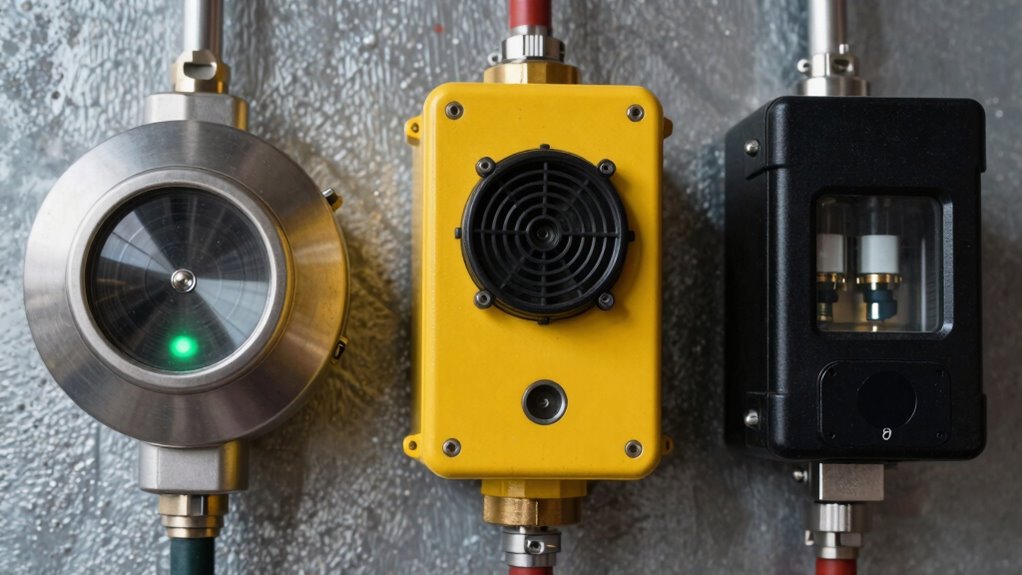
Understanding the differences between natural gas, propane, and combustible gas detectors is essential for guaranteeing safety in your home or workplace. Each type of detector is designed to identify specific gases, and knowing which one suits your needs helps prevent accidents and ensures proper response. When choosing a detector, you should pay close attention to sensor calibration and installation safety. Proper calibration ensures the sensor can accurately detect the gas levels, reducing false alarms or missed detections. Regular calibration, according to the manufacturer’s instructions, keeps the detector functioning at its best over time. Installation safety is equally important; improper placement or installation can compromise the detector’s effectiveness, leaving you vulnerable to dangerous leaks.
Natural gas detectors are tailored to sense methane, the primary component of natural gas used in homes for heating and cooking. These detectors typically use sensor calibration to ensure they respond accurately to methane concentrations. You want to install these detectors near appliances that use natural gas, such as stoves or heaters, and in areas where leaks are most likely to occur. Proper installation safety involves mounting the detector at the correct height—usually near the ceiling since natural gas is lighter than air—and avoiding obstructions that could interfere with sensor performance. Well-placed detectors will alert you early enough to prevent dangerous accumulations. Additionally, natural gas detectors are often designed with sensor calibration features to maintain accuracy over time. Regularly checking and maintaining the sensors helps ensure continued safety.
Install natural gas detectors near appliances and ceiling to ensure early leak detection and safety.
Propane detectors, on the other hand, are designed to identify propane leaks, common in rural homes, grills, or portable heaters. Propane is heavier than air, so these detectors should be installed closer to the floor or low on the wall to catch leaks before they reach dangerous levels. Like natural gas detectors, sensor calibration is critical for accuracy, especially because propane can accumulate quickly in enclosed spaces. Ensuring installation safety means following manufacturer guidelines for placement and avoiding locations with excessive dust, dirt, or humidity that could impair sensor function. Proper ventilation around the detector can also improve detection reliability and reduce false alarms.
Combustible gas detectors have a broader scope; they can detect various flammable gases, including natural gas, propane, butane, and others. These detectors are versatile and useful in environments where multiple types of gases might be present. Sensor calibration for combustible gas detectors involves regular testing with calibration gases to verify accuracy. Proper installation safety means placing them in areas prone to leaks, avoiding areas with airflow disturbances, and maintaining clear access for testing and maintenance. Using detectors with multi-gas detection capabilities can provide comprehensive safety coverage in complex environments.
In all cases, routine sensor calibration and strict adherence to installation safety protocols are your best defenses against gas leaks. Regular testing and maintenance ensure your detectors provide reliable alerts, helping you act swiftly before a minor leak becomes a major hazard.
As an affiliate, we earn on qualifying purchases.
Frequently Asked Questions
How Often Should Gas Detectors Be Calibrated?
You should calibrate your gas detectors at least once every six months to guarantee accurate readings. Regular calibration procedures are essential for detector maintenance, especially if you notice false alarms or inconsistent responses. Always follow the manufacturer’s guidelines for calibration procedures, and consider more frequent checks if the detector is exposed to harsh environments or heavy use. Proper maintenance keeps your detectors reliable and your safety assured.
Can Detectors Differentiate Between Multiple Gas Types Simultaneously?
Most multi-gas detectors can differentiate between multiple gas types simultaneously, thanks to sensor differentiation technology. These detectors have specialized sensors that identify specific gases, allowing you to monitor various hazards at once. However, the accuracy of this differentiation depends on the quality of the detector. Regular calibration and maintenance are essential to guarantee reliable readings, especially when detecting multiple gases in environments with complex chemical compositions.
Are Portable Gas Detectors Suitable for Residential Use?
Yes, portable gas detectors are suitable for residential use, providing portable safety for homeowners. They are easy to carry around and can quickly detect natural gas, propane, or other combustible gases, alerting you to potential hazards. These detectors are ideal for residential applications because they help prevent gas leaks from causing dangerous situations, giving you peace of mind and enhancing overall safety in your home.
What Is the Typical Lifespan of a Gas Detector?
They say, “A stitch in time saves nine,” and that applies here. Typically, your gas detector lasts around 3 to 5 years, although sensor durability varies. Regularly check replacement intervals and replace the device as recommended to guarantee safety. Over time, sensors can become less accurate, so staying proactive helps you catch leaks early. Always follow manufacturer guidelines for the best performance and peace of mind.
How Do Environmental Factors Affect Gas Detector Accuracy?
Environmental influences like humidity, temperature fluctuations, and dust can impact your gas detector’s accuracy by affecting sensor sensitivity. High humidity may cause false alarms or reduce detection precision, while extreme temperatures can slow response times. Dust or debris can clog sensors, leading to inaccurate readings. To maintain peak performance, keep your detector clean, avoid harsh environmental conditions, and regularly calibrate it, ensuring it remains sensitive and reliable in detecting gases.
Conclusion
Understanding the differences between natural gas, propane, and combustible gas detectors helps you choose the right safety device for your home. While some might think one detector fits all, using the correct type guarantees you’re properly protected against specific gas leaks, preventing potential hazards. Don’t assume a single detector covers every situation; investing in the right one provides peace of mind and enhances your safety. It’s worth taking the time to get it right.
Fall Picks
fall essentials
As an affiliate, we earn on qualifying purchases.