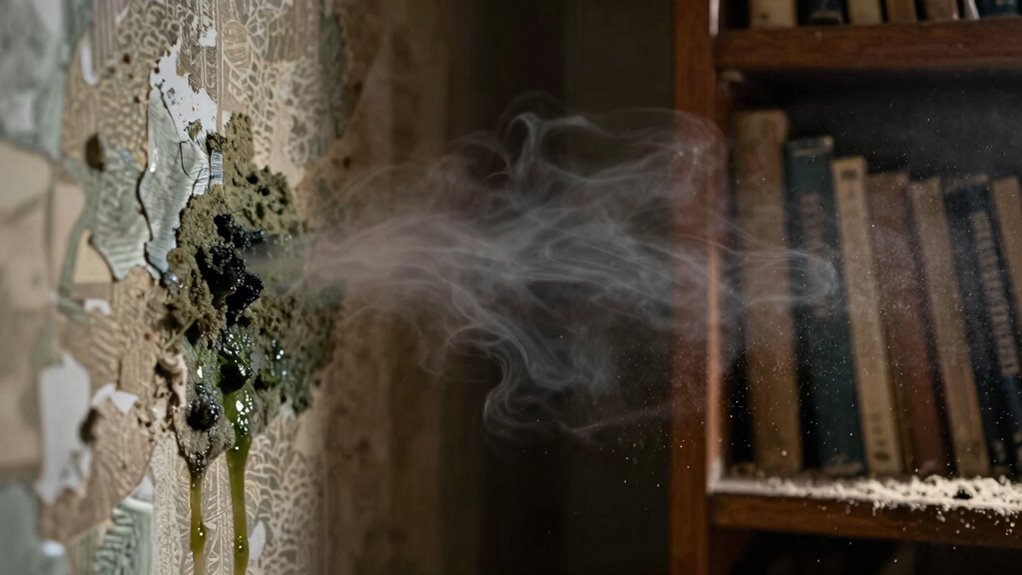

If you notice a musty, earthy odor, it’s likely mold caused by moisture issues, which may cause health problems and needs thorough cleaning and moisture control. A rotten egg or sulfur smell indicates a gas leak, requiring immediate evacuation and emergency contact. A dusty, stale scent usually results from accumulated dust or pet dander; improving cleaning and ventilation can help. To prevent hazards and improve air quality, understanding these differences is essential—keep exploring to learn more about how to handle each smell effectively.
Key Takeaways
- Mold smell is musty and earthy, indicating moisture and mold growth; gas smell is rotten or sulfur-like, signaling leaks.
- Dusty smell is dry, stale, and bland, caused by dust accumulation, unlike the pungent odors from mold or gas.
- Gas leaks require immediate evacuation and emergency services, whereas mold and dust odors can be addressed with cleaning and ventilation.
- Mold odor affects indoor air quality and health, especially for allergy sufferers; gas leaks pose explosion risks.
- Using air purifiers helps reduce mold and dust odors, but gas leaks need professional inspection and repair.
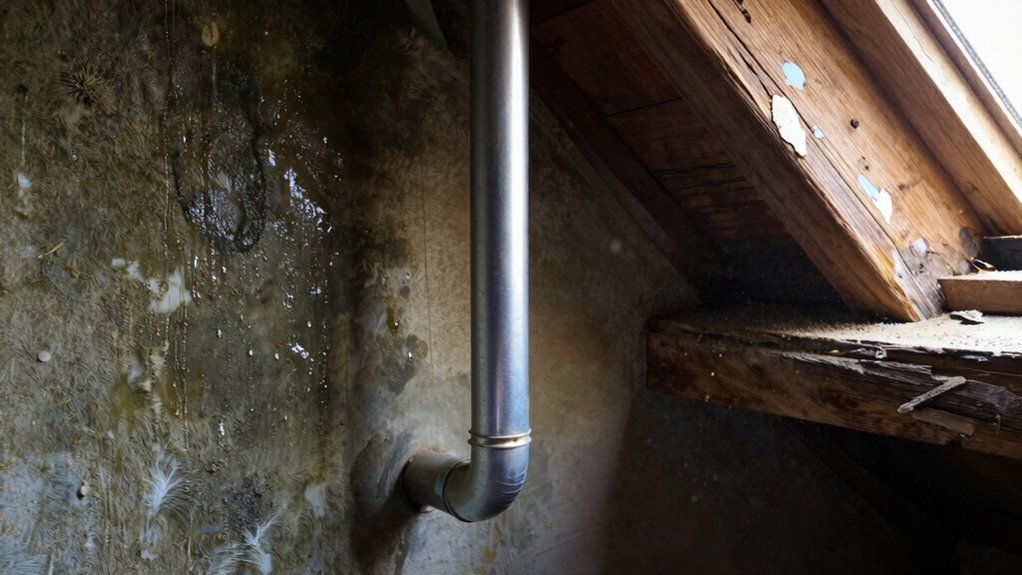
When you notice a strange odor in your home, it’s important to identify its source quickly, as different smells can indicate very different issues. Recognizing whether the scent is mold, gas, or dust can help you take the right steps to improve your air quality and address potential hazards. Each smell has distinct characteristics, and understanding them allows you to respond effectively.
Identifying home odors quickly helps you address hazards and improve air quality effectively.
If you detect a musty, earthy smell that lingers, chances are you’re dealing with mold. Mold odors often resemble damp, stale air and can be quite pungent. This smell indicates moisture problems, which can lead to mold growth on walls, ceilings, or hidden areas. Mold not only affects air quality but can also cause health issues, especially for allergy sufferers or those with respiratory conditions. To combat this, you need to focus on odor removal by locating the source of moisture and thoroughly cleaning affected areas. Improving ventilation and reducing humidity levels are crucial steps. Using air purifiers equipped with HEPA filters can help capture mold spores and improve the air quality in your living space, reducing the musty odor over time. Additionally, understanding humidity control is essential, as it directly impacts mold growth and air quality. Proper ventilation systems can help maintain optimal humidity levels, preventing future mold issues. Regular inspections of hidden areas, such as behind appliances or inside cabinets, can also catch mold early before it becomes a larger problem.
A gas smell, often described as a rotten egg or sulfur-like scent, signals a potentially dangerous situation. It’s usually caused by natural gas leaks or other combustible gases. This odor can be faint or strong but should never be ignored. If you notice this smell, it’s vital to act immediately—turn off the gas supply, evacuate the premises, and contact emergency services. Gas leaks pose serious health risks, including poisoning and explosions. While odor removal isn’t a solution in this case, ensuring proper ventilation and professional inspection is critical to resolving the issue safely. Once the leak is fixed, airing out your home and inspecting for residual odor will help restore a safe environment. Ensuring adequate ventilation and professional gas detection can help prevent dangerous situations in the future. Installing gas detectors with alarms can also provide early warning signs, adding an extra layer of safety.
A dusty smell, on the other hand, tends to be dry, stale, and somewhat bland. It’s often caused by accumulated dust, pet dander, or other particulate matter circulating in the air. This smell can make your home feel less fresh and may exacerbate allergy symptoms. Regular cleaning, dusting, and vacuuming help reduce dust buildup and improve air quality. Using air purifiers with HEPA filters can also assist in removing airborne particles, making your home smell cleaner and fresher. Proper ventilation is essential, especially in areas prone to dust accumulation, such as basements or poorly ventilated rooms. Keeping humidity levels in check also reduces dust accumulation and enhances overall air quality. A well-ventilated space helps keep dust particles from settling and circulating, improving indoor air quality. In addition, choosing low-emission cleaning products can minimize the introduction of additional airborne irritants, contributing to a healthier indoor environment.
HEPA air purifier for mold spores
As an affiliate, we earn on qualifying purchases.
As an affiliate, we earn on qualifying purchases.
Frequently Asked Questions
Can a Mold Smell Occur Without Visible Mold?
Yes, a mold smell can occur without visible mold. Mold detection isn’t always straightforward, as odor sources can be hidden behind walls or under flooring. If you notice a persistent musty smell, it’s essential to investigate further, since the scent often indicates hidden mold growth. Addressing the odor promptly helps prevent potential health issues and property damage, even if you can’t see any mold on the surface.
How Can I Safely Identify a Gas Leak Smell?
To safely identify a gas leak smell, trust your senses and act quickly. Use gas safety practices like turning off appliances and ventilating the area. Leak detection involves smelling for the distinct, rotten egg odor often added to natural gas, or listening for hissing sounds. If you suspect a leak, evacuate immediately and contact emergency services. Never try to locate a gas leak with open flames or electrical devices.
What Household Items Can Cause a Dusty Odor?
You might notice a dusty odor from household cleaning products, dusty furniture, or old fabrics that trap dust. Air purifiers can sometimes circulate this smell if they’re not cleaned regularly. Additionally, poorly ventilated spaces with accumulated dust can intensify the scent. To reduce it, clean surfaces thoroughly, change filters in air purifiers, and guarantee proper ventilation, helping to clear out the dusty smell and improve indoor air quality.
Are Certain Smells More Harmful Than Others?
Imagine walking into a room with a sudden, sharp gas smell—it’s like a warning siren. Certain odors, like gas or mold, pose serious health risks, unlike dusty smells, which are usually less harmful. Some odors, especially chemical fumes, can cause respiratory issues or poisoning. So, always pay attention to strong or unfamiliar smells, as they often indicate dangerous odor sources that demand immediate attention for your safety.
How Do I Eliminate Persistent Mold or Dust Smells?
To eliminate persistent mold or dust smells, start with mold remediation by thoroughly cleaning affected areas with mold-killing solutions and fixing any moisture problems. For dust smells, regularly dust and vacuum to prevent buildup. Use air purifiers to improve indoor air quality. Keep humidity levels low, around 30-50%, to discourage mold growth and dust accumulation. Consistent cleaning and moisture control are key to maintaining a fresh, odor-free environment.
Conclusion
Now that you can distinguish between a mold, gas, or dusty smell, you’re better equipped to trust your senses. Imagine walking into a room where the air feels thick with dampness, like a forgotten cellar, or one where a sharp, chemical tang cuts through the silence like jagged glass. Perhaps it’s just the quiet whisper of dust settling on forgotten shelves. Recognizing these scents helps you take swift action, transforming your space back into a safe, fresh sanctuary.