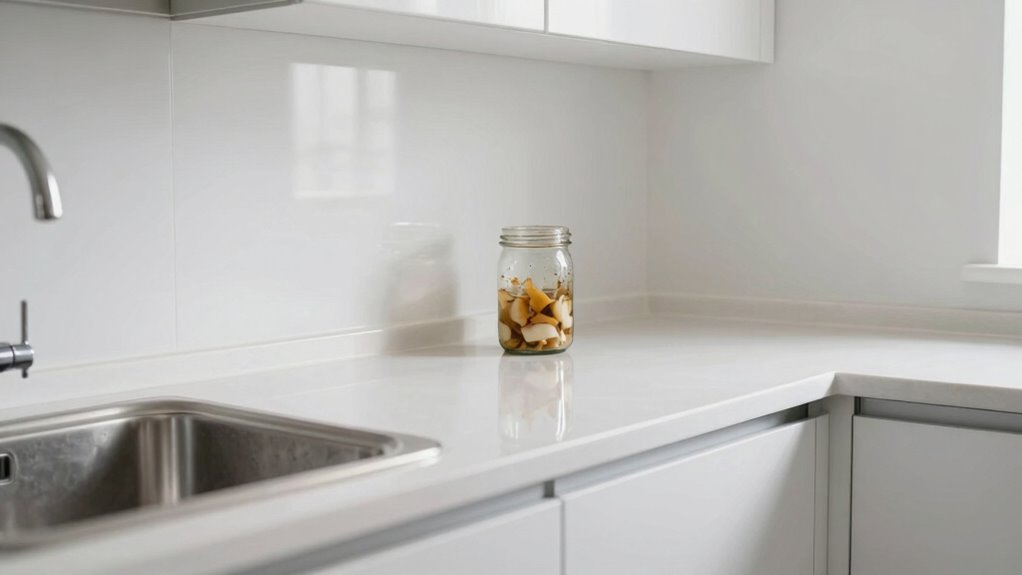

Just because your space looks and feels clean doesn’t mean it’s odor-free. Surface cleaning targets appearances but often misses hidden odor sources like mold, bacteria, or trapped particles. Relying on air fresheners or masking scents only covers smells temporarily, not eliminates them. True freshness comes from addressing air quality, removing root causes, and ensuring proper ventilation. To discover how to truly eliminate odors and create a healthier environment, learn more about effective strategies.

Get oils, diffusers and self-care delivered free with Prime
- Fast, free delivery on millions of items
- Prime Video, Amazon Music and more included
- Member-only deals all year
Key Takeaways
- Surface cleaning removes visible dirt but often doesn’t eliminate hidden odor sources like mold or bacteria.
- Odors can persist even after cleaning because they originate from unseen particles or trapped substances.
- Masking agents temporarily hide odors but do not address or remove the underlying causes.
- Improving air quality through ventilation and air purifiers targets odor sources for lasting freshness.
- Natural methods and proper maintenance help reduce odor-causing agents, ensuring true cleanliness beyond surface appearance.
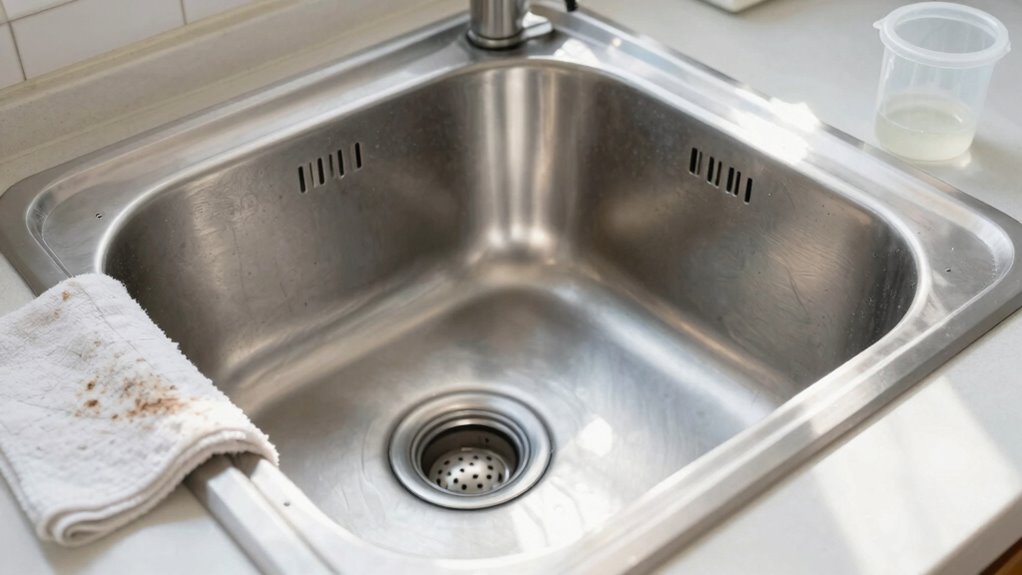
Have you ever noticed how a clean environment instantly feels fresher and more inviting? That feeling often comes down to air quality—the way the air circulates and how effectively odors are managed. But just because a space looks spotless doesn’t mean it’s odor-free. Many cleaning routines focus on surface appearance, leaving lingering smells that aren’t immediately visible. This is where scent masking comes into play. Instead of eliminating odors, many products simply cover them up with artificial fragrances, making the environment seem fresher temporarily without addressing the root cause.
A spotless space can still hide odors; true freshness comes from addressing air quality, not just masking smells.
When you clean a room, you might wipe down surfaces, vacuum, or mop the floors, and everything appears spotless. However, unless you target the sources of odors—such as mold, bacteria, or trapped particles—the smell can persist unnoticed. Scent masking products, like air fresheners or sprays, are often used to hide these odors, but they don’t improve air quality. You might smell something pleasant for a while, but that’s only because the original smell has been masked, not eliminated. Over time, these artificial scents fade, and the underlying odor becomes more noticeable again.
True cleanliness involves more than just surface cleaning; it requires addressing air quality. Good ventilation, air purification, and controlling humidity are essential steps to improve the overall environment. Proper airflow helps disperse odors, reducing their concentration in a room. Air purifiers with HEPA filters can capture particles and odors at their source, making the air cleaner and fresher. This approach doesn’t rely solely on scent masking but targets the causes of odors, leading to a genuinely fresher space. Additionally, understanding the sources of indoor odors can help identify effective strategies for long-term odor control. Incorporating natural air purification methods can further enhance indoor air quality without introducing artificial chemicals. Regularly assessing and improving these factors is crucial for maintaining a consistently fresh environment. It’s also helpful to recognize that indoor air quality can fluctuate based on various factors, which is why ongoing management is important.
You might also consider natural solutions for improving air quality and odor control. For example, houseplants can absorb certain toxins and release oxygen, contributing to better air quality. Regularly cleaning carpets, upholstery, and hidden areas where dust and bacteria tend to accumulate also helps eliminate odors at their source. These methods work better than merely masking smells because they reduce the odor-causing agents instead of just covering them up.
In the end, a truly clean environment isn’t just about how things look but how they smell and feel. Improving air quality through ventilation, purification, and addressing the root causes of odors ensures your space remains fresh long-term. Relying solely on scent masking might make things seem better temporarily, but it doesn’t solve the problem. When you focus on the air quality, you create a healthier, more inviting environment that genuinely smells as good as it looks. Taking proactive steps to maintain indoor air health can significantly enhance your overall wellness.
As an affiliate, we earn on qualifying purchases.
Frequently Asked Questions
Can Certain Cleaning Products Cause Unexpected Odors?
Yes, certain cleaning products can cause unexpected odors. When you use these products, chemical reactions can produce new smells, sometimes stronger or different than expected. Additionally, some cleaners rely on scent masking to hide odors rather than eliminating them, which can lead to confusing or unpleasant smells lingering. So, even if your surfaces smell clean, the chemical interactions and scent masking effects might mean the odor isn’t truly gone.
Why Do Some Odors Persist Despite Cleaning?
Some odors persist because regular cleaning and air fresheners often mask smells instead of eliminating them entirely. You might believe in air freshener myths that these products remove odors, but they only cover them temporarily. Increasing cleaning frequency helps, but deep cleaning surfaces and addressing underlying sources is essential for lasting freshness. Relying solely on air fresheners can give a false sense of odor elimination, so focus on thorough cleaning for better results.
How Does Bacteria Affect Indoor Odors?
Bacterial growth greatly impacts indoor odors because bacteria break down organic matter, releasing foul-smelling gases. These bacteria can also absorb odors into porous surfaces, making smells linger even after cleaning. When bacteria thrive in damp or unclean areas, they continuously produce odors, which are then absorbed into fabrics, carpets, or furniture. To effectively eliminate unpleasant smells, you need to target bacterial growth and address odor absorption through proper cleaning and ventilation.
Are Natural Cleaning Methods Always Odor-Free?
Are natural cleaning methods always odor-free? Not necessarily. While they often have fewer synthetic fragrances, some natural ingredients can still produce strong smells or trigger sensitivities. Your fragrance choices matter—some essential oils smell delightful, but others might not. Plus, ingredient sensitivities can cause lingering odors, even with eco-friendly products. So, it’s smart to test natural cleaners and choose ones that suit your preferences and sensitivities for truly fresh results.
What Hidden Sources Contribute to Lingering Smells?
Hidden mold and pet dander often contribute to lingering smells you might not notice immediately. Mold can grow behind walls or under flooring, releasing musty odors, while pet dander hides in carpets, upholstery, or air vents, causing persistent pet smells. These hidden sources can keep your space smelling less than fresh, even after cleaning. Regular deep cleaning and proper ventilation help eliminate these invisible culprits, making your home truly odor-free.
Conclusion
Remember, even the clearest waters can hide unseen depths, just like a space that seems spotless may still harbor odors beneath the surface. Clean doesn’t always mean odor-free; it’s a reminder to look beyond appearances and address the hidden sources. Don’t settle for the illusion of freshness—strive for true cleanliness that goes deeper than the surface, much like peeling back layers to reveal what truly matters. Only then can you truly say you’re free from lingering odors.
Evergreen bestsellers Picks
bestsellers
As an affiliate, we earn on qualifying purchases.