
Vaginal health focuses on maintaining the internal muscular canal, ensuring pH balance, and supporting microbiome health, which is influenced by hormones and internal factors. Vulvar skin care, on the other hand, involves gently protecting and cleansing the outer skin from irritants, friction, and external irritants like soaps or fragrances. Both require specific routines, but understanding their differences helps you target your care effectively. Stay with us to discover how customizing these practices can boost your overall genital health.

Get oils, diffusers and self-care delivered free with Prime
- Fast, free delivery on millions of items
- Prime Video, Amazon Music and more included
- Member-only deals all year
Key Takeaways
- Vaginal health focuses on maintaining the internal microbiome and pH balance, while vulvar skin care centers on external skin protection and irritation prevention.
- The vagina is an internal muscular canal; the vulva is external skin covering labia, clitoris, and surrounding areas.
- Vaginal care involves managing hormonal influences and preventing infections; vulvar care emphasizes gentle cleansing and avoiding irritants.
- External factors like soaps, fragrances, and clothing affect vulvar skin, whereas hormonal fluctuations impact vaginal health.
- Both require specific routines: breathable underwear and pH-balanced products for vagina, gentle cleansers and moisturizers for vulvar skin.
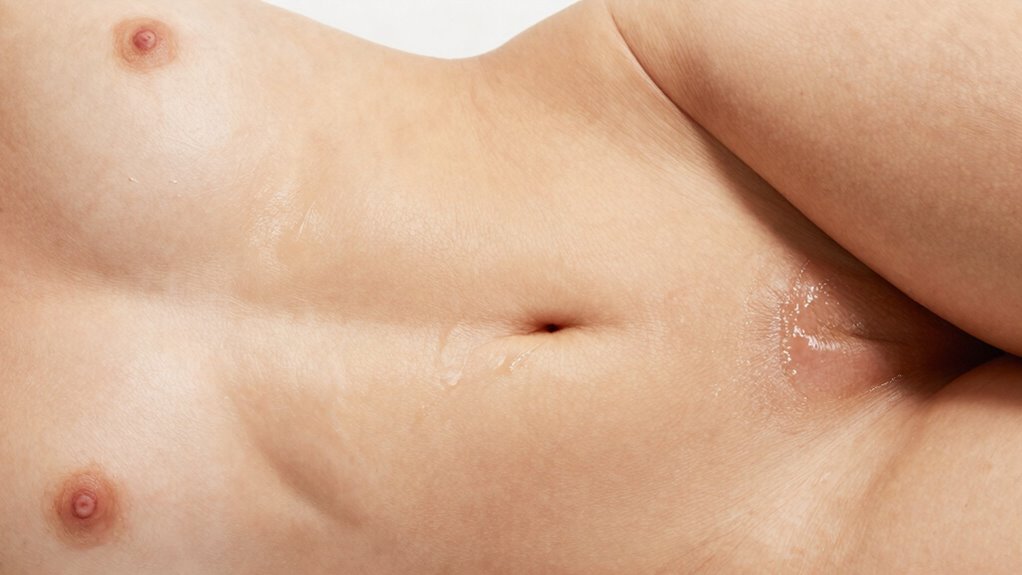
Have you ever wondered how vaginal health differs from vulvar skin care? These two areas are often lumped together, but they serve distinct functions and require different approaches. Your vagina is an internal muscular canal that connects your cervix to your external genitalia, while the vulva covers the outer parts, including the labia, clitoris, and surrounding skin. Understanding these differences can help you care for each part properly, maintaining overall health and comfort.
Vaginal health primarily revolves around maintaining the right environment inside your body. This environment is heavily influenced by hormonal fluctuations, especially during your menstrual cycle, pregnancy, or menopause. These hormonal shifts can affect your vaginal tissue, making it more susceptible to dryness, irritation, or infections. One essential aspect of vaginal health is maintaining a healthy pH balance, typically around 3.8 to 4.5. This slightly acidic pH helps prevent the overgrowth of harmful bacteria and yeast, keeping infections at bay. When your hormonal levels fluctuate, this pH balance can be disrupted, leading to discomfort, bad odor, or infections like bacterial vaginosis or yeast infections. To support vaginal health, focus on practices that promote a balanced environment, such as wearing breathable cotton underwear, avoiding douching, and using gentle, pH-balanced products when necessary. Staying hydrated and maintaining a nutritious diet also support your internal health. Additionally, hormonal fluctuations can significantly impact your vaginal health, emphasizing the importance of tailored self-care routines. Proper hydration can also influence the internal environment, helping to maintain tissue elasticity and comfort. Maintaining a healthy vaginal microbiome is crucial for overall vaginal health, as it supports the body’s natural defenses against infections. An imbalance in this microbiome can lead to discomfort and increased vulnerability to infections.
Maintaining a healthy pH balance (3.8-4.5) supports vaginal health by preventing infections and discomfort.
In contrast, vulvar skin care centers on the outer skin covering your genital area. This skin acts as a protective barrier against irritants, friction, and environmental factors. The skin of the vulva is more exposed and susceptible to dryness, irritation, or allergic reactions caused by soaps, fragrances, or hygiene products. Proper vulvar skin care involves gentle cleansing with mild, fragrance-free cleansers and avoiding harsh scrubbing. Moisturizing can help maintain skin elasticity and prevent dryness, especially if you notice irritation or discomfort. Since the vulvar skin is sensitive, you should steer clear of products with irritants or unnecessary chemicals. It’s also essential to wear loose, breathable clothing and avoid prolonged exposure to moisture, which can promote bacterial growth and irritation. Regularly inspecting this external area can help catch any signs of irritation or infection early, allowing you to seek treatment if needed. Remember, the external vulvar skin can be affected by external factors, so consistent care is vital for preventing discomfort and maintaining health. Using moisturizers specifically designed for sensitive skin can also provide additional protection and relief. Additionally, avoiding overly hot baths or prolonged exposure to moisture can help prevent irritation and maintain healthy skin. Incorporating proper hygiene practices can further enhance vulvar skin health and reduce the risk of irritation or infection.
In essence, vaginal health is about internal balance, influenced by hormonal changes and pH levels, while vulvar skin care focuses on protecting and maintaining the outer skin’s integrity. Both require specific care routines, but understanding their differences helps you address each appropriately, ensuring your overall comfort and well-being.
As an affiliate, we earn on qualifying purchases.
Frequently Asked Questions
Can Vulvar Skin Issues Affect Overall Vaginal Health?
Vulvar skin issues can definitely affect your overall vaginal health. When skin problems disrupt the vulvar area, they can cause irritation, inflammation, and compromise the natural barrier. This may disturb your vaginal pH and bacterial balance, increasing the risk of infections like yeast or bacterial vaginosis. You should address vulvar concerns promptly to maintain your vaginal health, prevent discomfort, and support the body’s natural defenses.
How Do Hormonal Changes Impact Vulvar Skin?
Hormonal fluctuations can considerably impact your vulvar skin, much like a tide that rises and falls. These changes affect vulvar elasticity, causing it to become thinner or less resilient. During hormonal shifts, such as menopause or menstrual cycles, you may notice irritation, dryness, or discomfort. Staying attentive to your body’s signals and maintaining proper vulvar skin care helps support your skin’s health and elasticity amid these natural hormonal ebbs and flows.
Are There Specific Products Recommended for Vulvar Skin Care?
For vulvar skin care, you should choose gentle cleansers that are fragrance-free and pH-balanced to avoid irritation. After cleansing, apply soothing moisturizers specifically formulated for sensitive skin to keep the area hydrated and protected. Avoid harsh soaps, scented products, or anything with alcohol. Stick to products designed for vulvar health, and if you experience persistent discomfort, consult a healthcare provider for personalized recommendations.
How Often Should I See a Specialist for Vulvar Concerns?
You should see a specialist promptly if your vulvar hygiene routine causes persistent skin irritation or discomfort. While it’s tempting to ignore minor symptoms, ignoring ongoing issues can lead to more serious problems. Regular check-ups aren’t just for emergencies—they help catch issues early. Seeing a specialist annually or whenever concerns arise ensures your vulvar health stays ideal and skin irritation doesn’t turn into something more troublesome.
What Are Early Signs of Vulvar Skin Infections?
Early signs of vulvar skin infections include redness, itching, and swelling, which indicate irritation or inflammation. You might notice unusual discharge, soreness, or a burning sensation during urination or sex. Maintaining proper vulvar hygiene helps prevent infections, but if you observe persistent symptoms like discomfort or rash, see a healthcare provider promptly. Recognizing infection symptoms early guarantees effective treatment and keeps your vulvar health in check.
Conclusion
Remember, caring for your vaginal health and vulvar skin isn’t just about what’s visible or obvious. It’s about understanding the delicate balance beneath the surface—what’s hidden, yet essential. Are you truly listening to your body’s signals? The choices you make today could reveal a lot about what’s to come. Stay curious, stay attentive. Because sometimes, the most important differences are the ones you can’t see—yet. And the next step might just surprise you.
Fall Picks
fall essentials
As an affiliate, we earn on qualifying purchases.