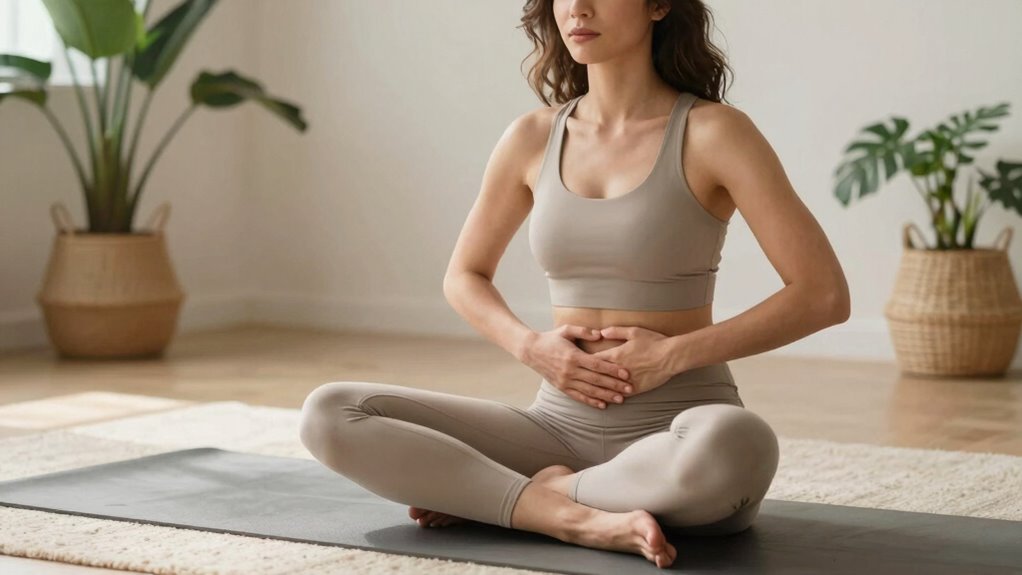

Your pelvic floor support is about more than just postpartum recovery; it’s crucial for everyday stability and control. It helps you stand tall, lift, and move safely, while supporting organs like your bladder and bowels. Strong pelvic muscles can improve your posture, core strength, and even sexual satisfaction. Simple exercises like Kegels can make a big difference, and knowing how your pelvic floor works helps you keep it healthy for years to come. Keep exploring to learn more about caring for this essential part of your body.

Get oils, diffusers and self-care delivered free with Prime
- Fast, free delivery on millions of items
- Prime Video, Amazon Music and more included
- Member-only deals all year
Key Takeaways
- Pelvic floor support is essential for everyday movement, posture, and core stability beyond postpartum recovery.
- Strengthening pelvic muscles improves bladder control and reduces prolapse risk at any age.
- Pelvic health influences sexual satisfaction and overall well-being, not just post-childbirth recovery.
- Regular pelvic exercises aid in maintaining muscle tone and function throughout life.
- Lifestyle habits like healthy weight, hydration, and proper posture support long-term pelvic health.
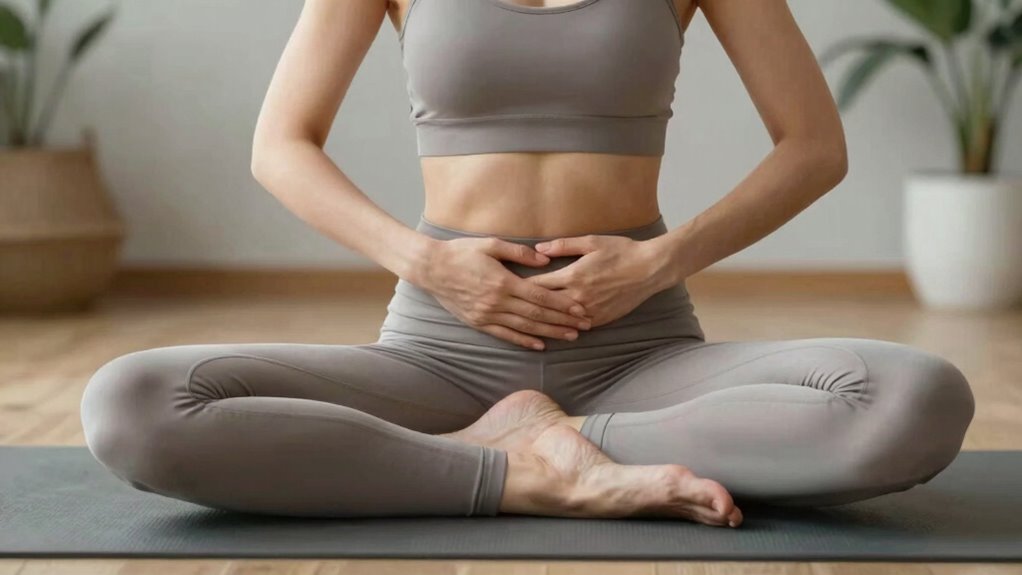
Have you ever wondered how your pelvic floor supports everyday movements and essential functions? It’s a network of muscles and tissues that work tirelessly to keep your bladder, bowels, and reproductive organs in place. Whether you’re walking, lifting, or even just standing, your pelvic floor plays a crucial role in providing stability and control. Many people think pelvic health is only about recovery after childbirth, but it’s much more than that. Your pelvic floor is a foundation that influences your overall well-being, posture, and core strength. Maintaining it isn’t just about fixing issues; it’s about proactive care to prevent problems down the line.
One of the most effective ways to support your pelvic health is through pelvic exercises. These exercises target the muscles that make up your pelvic floor, helping to strengthen and relax them as needed. Regularly practicing pelvic exercises can improve your muscle tone, which in turn enhances bladder control, reduces the risk of prolapse, and even boosts sexual satisfaction. You don’t need special equipment—simple exercises like Kegels can be integrated easily into your daily routine. Just tightening and releasing these muscles for a few minutes each day can lead to noticeable improvements over time. The key is consistency and mindfulness, paying attention to proper technique to ensure you’re engaging the right muscles without overdoing it.
Alongside pelvic exercises, lifestyle adjustments go a long way in supporting your pelvic floor. Maintaining a healthy weight reduces unnecessary pressure on your pelvic muscles, helping prevent strain and dysfunction. Staying hydrated and eating a fiber-rich diet can prevent constipation, which often puts extra stress on your pelvic area during bowel movements. Avoiding habits like heavy lifting without proper technique and chronic coughing can also make a big difference. Incorporating habits such as maintaining good posture and practicing mindful breathing helps relax and strengthen your core, including your pelvic muscles. These small adjustments, when combined with pelvic exercises, create a holistic approach to pelvic health. Additionally, understanding your pelvic floor anatomy can help you better target and care for these muscles effectively. Gaining knowledge about muscle groups and their functions empowers you to adopt healthier habits that support long-term health.
As an affiliate, we earn on qualifying purchases.
Frequently Asked Questions
Can Pelvic Floor Support Improve Athletic Performance?
Yes, pelvic floor support can improve your athletic performance. By strengthening your pelvic floor muscles, you enhance core stability, which is essential for balance and power. Increased muscle strength in this area helps prevent injuries and improves posture during activities. When your pelvic floor is strong, you’ll notice better control and endurance, especially during high-impact or core-intensive workouts. Incorporating pelvic floor exercises into your routine can boost overall athletic performance.
How Does Aging Affect Pelvic Floor Health?
Aging affects your pelvic floor like a worn-out elastic band, losing its firmness over time. Hormonal changes during menopause reduce estrogen, which weakens pelvic muscles and diminishes muscle elasticity. This makes you more prone to issues like incontinence or prolapse. To maintain your pelvic health, stay active with pelvic floor exercises, and consider consulting a specialist to support your muscles as you age.
Are There Specific Exercises for Men’s Pelvic Support?
Yes, there are specific exercises for men’s pelvic support. You can try pelvic exercise techniques like Kegel exercises, which strengthen your pelvic floor muscles, improving men’s pelvic health. To do them, contract your pelvic muscles as if stopping urination, hold for a few seconds, then release. Regularly practicing these exercises can help with incontinence, prostatitis, and overall pelvic stability, ensuring better support and health over time.
What Are Early Signs of Pelvic Floor Dysfunction?
Like warning signs flashing on a dashboard, early pelvic floor dysfunction hints through urinary incontinence, a sudden leak when you cough or laugh, or feeling pressure or heaviness indicating pelvic organ prolapse. You might notice difficulty fully emptying your bladder or bowel or experiencing discomfort during intimacy. Recognizing these signs early helps you seek treatment promptly, preventing further issues and supporting your pelvic health long-term.
Is Pelvic Floor Support Necessary for Those Without Symptoms?
Yes, pelvic floor support is important even if you don’t have symptoms. Preventive strategies like regular exercises can strengthen your pelvic muscles, helping you avoid asymptomatic issues from developing into more serious problems later. Maintaining pelvic health proactively supports overall wellness, improves posture, and can prevent future discomfort or dysfunction. So, even without symptoms, taking care of your pelvic floor is a smart move for long-term health and stability.
Conclusion
Remember, supporting your pelvic floor isn’t just about post-birth recovery—it’s about maintaining your overall health and confidence. Did you know that nearly 1 in 3 women experience some form of pelvic floor dysfunction at some point? By staying proactive with exercises and care, you can reduce your risk and feel stronger every day. Don’t wait until issues arise; prioritize your pelvic health now to enjoy a more active, comfortable life.
Halloween Picks
halloween
As an affiliate, we earn on qualifying purchases.