Using harsh soaps, scented wipes, or douching can disturb your vaginal pH balance, leading to irritation and infections. Wearing tight clothing traps moisture, encouraging bacteria and yeast growth, while rough scrubbing or hot water can damage sensitive skin. Fragrance allergies are common with scented products. To keep your skin healthy and comfortable, stick to gentle, pH-balanced cleansers, wear breathable underwear, and avoid over-washing. If you want to learn how to prevent these mistakes, keep going.

Get oils, diffusers and self-care delivered free with Prime
- Fast, free delivery on millions of items
- Prime Video, Amazon Music and more included
- Member-only deals all year
Key Takeaways
- Using harsh soaps or scented products can disrupt the vaginal pH balance, causing irritation and infections.
- Over-washing or aggressive scrubbing damages sensitive skin and removes natural oils.
- Wearing tight, non-breathable clothing traps moisture, promoting bacterial and yeast overgrowth.
- Douching or using artificial fragrances can trigger allergic reactions and upset vaginal health.
- Ignoring proper drying and moisture control increases irritation risk and skin discomfort.
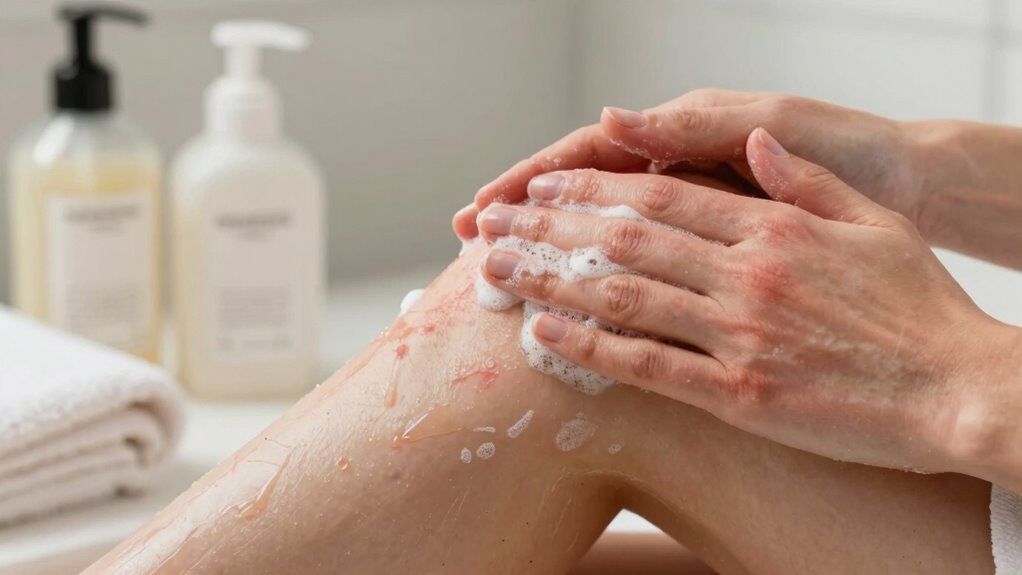
Keeping your skin healthy isn’t just about using the right products; it’s also about avoiding common hygiene mistakes that can irritate your skin. When it comes to your intimate area, small habits can make a big difference. One of the most overlooked factors is maintaining the correct vaginal pH. Your vagina naturally has a slightly acidic environment, with a pH typically between 3.8 and 4.5. This acidity helps fend off bacteria and yeast, preventing infections and discomfort. If you use harsh soaps, scented wipes, or douching products that aren’t pH-balanced, you disrupt this delicate balance. This can lead to irritation, itching, and an increased risk of infections. Instead, opt for gentle, unscented cleansers specifically designed for sensitive skin and avoid over-washing, which strips away natural oils and protective bacteria. Additionally, maintaining biodiversity in your personal care routine can support your skin’s natural defenses and overall health. Recognizing the importance of skin microbiome health can further enhance your skin’s resilience against irritation.
Maintaining your vaginal pH with gentle, pH-balanced cleansers prevents irritation and infections.
Another common mistake is falling for fragrance sensitivity. Many personal hygiene products, including washes, sprays, and wipes, contain artificial fragrances that can cause allergic reactions or irritation. If you notice redness, burning, or itching after using a product, it’s likely due to fragrance sensitivity. Fragrances can disrupt your skin’s natural barrier, making it more vulnerable to irritation and infections. To protect your skin, choose fragrance-free or hypoallergenic products. Always read labels and patch-test new products on a small area before applying them more broadly. This simple step can save you from discomfort and skin issues down the line.
Beyond product choices, how you clean also plays a *crucial* role. Using hot water or scrubbing too aggressively can irritate the sensitive skin of your intimate area. Instead, use lukewarm water and gentle motions. Avoid using rough cloths or loofahs, which can cause micro-tears and irritation. After washing, pat dry rather than rubbing, to prevent unnecessary friction and irritation. Wearing breathable, cotton underwear also helps maintain proper airflow and reduces moisture buildup, which can throw off your vaginal pH and promote irritation.
Finally, avoid tight clothing that traps sweat and moisture against your skin. Excess moisture creates a breeding ground for bacteria and yeast, upsetting the natural balance of your intimate area. Change out of wet clothing promptly and choose loose-fitting options when possible. Keeping your skin dry and well-ventilated is one of the simplest yet most effective ways to prevent irritation. By being mindful of these hygiene habits—maintaining vaginal pH, avoiding fragrance sensitivity, and practicing gentle cleaning—you can protect your skin and keep your intimate area healthy, comfortable, and irritation-free.
As an affiliate, we earn on qualifying purchases.
Frequently Asked Questions
Can Diet Affect Intimate Skin Health?
Your diet impact on intimate skin health is significant. Nutritional choices influence your skin’s elasticity, hydration, and overall barrier function. Consuming a balanced diet rich in vitamins, probiotics, and antioxidants can promote healthy, irritation-free skin. Conversely, excess sugar and processed foods may lead to inflammation and discomfort. By making mindful dietary choices, you support your skin’s natural resilience, reducing irritation and maintaining comfort in sensitive areas.
Are Scented Products Always Harmful?
Scented products aren’t always harmful, but they can cause issues if you have perfume allergies or sensitive skin. Fragrant lotions and perfumes contain chemicals that might irritate your intimate area, leading to discomfort or allergic reactions. If you notice redness, itching, or irritation, consider switching to fragrance-free products. Always pay attention to how your skin reacts and opt for gentle, hypoallergenic options to maintain healthy, comfortable intimate skin.
How Often Should I Change My Underwear?
You should change your underwear daily to keep bacteria and odor at bay. Think of it as giving your intimate skin a fresh canvas every day. During menstruation, change more often to maintain good menstrual hygiene and prevent irritation. Opt for breathable fabrics like cotton, which help keep the area dry and comfortable. Regularly changing underwear and choosing the right fabric can markedly protect your delicate skin.
Do Laundry Detergents Impact Intimate Skin?
Yes, laundry detergents can impact your intimate skin. If residues remain on your clothes, they can cause irritation, especially if you have skin sensitivities. To prevent this, use a gentle, hypoallergenic detergent and rinse thoroughly. Avoid heavily scented or harsh formulas, as these can disrupt your skin’s natural balance and lead to discomfort. Proper rinsing helps guarantee no detergent residues stay behind, keeping your intimate area healthy and irritation-free.
Is There a Best Time to Shower for Skin Health?
The ideal shower timing varies based on your routine, but generally, morning versus evening bathing both have benefits. Morning showers wake you up and refresh your skin, while evening showers help wash away sweat and dirt accumulated during the day. Choose the time that best fits your schedule and skin needs. Just make certain you avoid overly hot water and harsh products, which can irritate your intimate skin regardless of when you shower.
Conclusion
By avoiding these simple hygiene mistakes, you protect your intimate skin from irritation and discomfort. Think of it as caring for a delicate flower—gentle, attentive, and mindful. While rushing through your routine might save seconds, it can also cause lasting irritation. Remember, what seems minor can have a major impact. Treat your intimate skin with kindness and patience, and you’ll enjoy comfort and confidence every day—just like tending to something precious that deserves your best care.
Halloween Picks
halloween
As an affiliate, we earn on qualifying purchases.