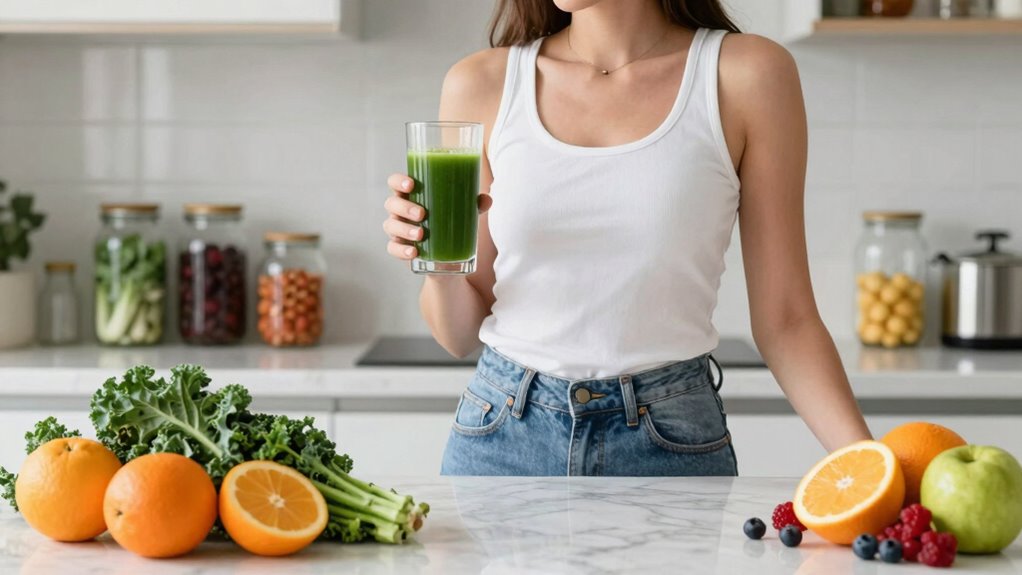

“Freshness” marketing in women’s health often hides societal pressures, making you believe your worth depends on staying clean, youthful, and natural. Brands associate freshness with safety, control, and perfection, but these messages are built on societal norms that can reinforce harmful stereotypes and unrealistic standards. Recognizing these tactics helps you question claims and see beyond superficial ideals. If you want to understand how these marketing strategies influence perceptions and what it means for your wellbeing, keep exploring what lies beneath the surface.

Get oils, diffusers and self-care delivered free with Prime
- Fast, free delivery on millions of items
- Prime Video, Amazon Music and more included
- Member-only deals all year
Key Takeaways
- “Freshness” marketing often equates cleanliness and femininity with societal worth, reinforcing harmful gender stereotypes.
- Brands associate freshness with natural, safe ingredients, but these claims may lack scientific evidence.
- Cultural norms shape perceptions of freshness, often promoting unrealistic beauty standards for women.
- Emphasizing freshness can perpetuate shame and pressure women to conform to narrow beauty ideals.
- Critical awareness helps challenge marketing myths, fostering self-acceptance beyond superficial standards.
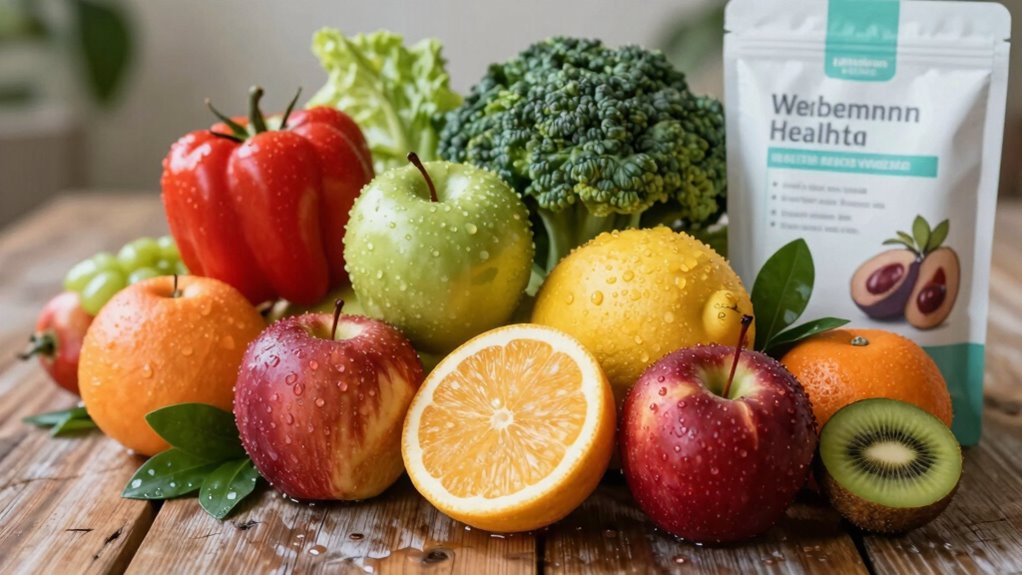
In the world of women’s health products, the term “freshness” is often used to sell everything from supplements to feminine hygiene items, but what does it really mean? To you, it might conjure feelings of cleanliness, vitality, and natural wellbeing. But beneath that appealing surface, the use of “freshness” carries deeper cultural implications that influence how consumers perceive these products. Many companies leverage this concept to create a sense of urgency or necessity, suggesting that freshness equates to health, safety, and even attractiveness. This marketing tactic taps into societal ideals about femininity and purity, reinforcing the notion that a woman’s value is connected to her freshness and cleanliness. The language used plays on these perceptions, making you believe that maintaining freshness is essential for your overall health and social acceptance. Recognizing how biodiversity and sustainable living practices influence the marketing landscape can help you critically evaluate these messages and prioritize your well-being over superficial ideals.
Consumer perceptions are shaped considerably by how “freshness” is portrayed in advertising. When brands emphasize freshness, they often pair it with images of natural ingredients, pristine environments, or youthful vitality. This framing causes you to associate freshness with being more natural, less processed, and consequently better or safer. It can also lead you to equate freshness with a feeling of control over your body and health, prompting you to buy products that promise to preserve or restore that elusive freshness. However, this perception isn’t always grounded in scientific facts—more often, it’s driven by marketing strategies designed to appeal to your desire for purity and perfection. As a result, you might overlook the fact that the concept of freshness can be subjective, culturally constructed, and influenced by social norms that vary across different societies and communities. These marketing strategies often play on social norms to reinforce their messages, making it even more important to approach such claims with critical awareness. Additionally, understanding the cultural construction of freshness can help you see how these messages are shaped by societal standards that may not reflect reality. Moreover, this emphasis on freshness can contribute to the reinforcement of harmful beauty standards that pressure women to conform to certain ideals of appearance and hygiene.
Furthermore, the emphasis on freshness can perpetuate stereotypes about women’s bodies and their natural states. It subtly suggests that any deviation from a certain ideal—whether it’s odor, appearance, or sensation—is undesirable or problematic. This can lead to feelings of shame or inadequacy, pushing you to buy products that promise to restore or enhance your “natural” freshness. The cultural implications are profound, as they often reinforce traditional gender roles and societal expectations about women’s hygiene and appearance. Recognizing these influences can empower you to question the marketing messages you encounter and make more informed, body-positive choices. Awareness of cultural ideals surrounding femininity and cleanliness can help you challenge unrealistic standards and foster greater self-acceptance. Ultimately, understanding the cultural implications behind “freshness” marketing helps you see beyond the surface and realize that your worth isn’t tied to how “fresh” you appear or feel, but rather to your health and confidence on your own terms.
organic feminine hygiene products
As an affiliate, we earn on qualifying purchases.
As an affiliate, we earn on qualifying purchases.
Frequently Asked Questions
How Can Consumers Identify Genuine Health Claims Versus Marketing Hype?
To spot genuine health claims, check the product labeling carefully, focusing on clear, scientific evidence and unbiased information. Be wary of exaggerated benefits that seem too good to be true. Also, consider the shelf life—products with a short shelf life often indicate freshness and potency, while overly long shelf lives might be a marketing tactic. Always research reputable sources and consult healthcare professionals for trustworthy advice.
Are There Long-Term Health Risks Associated With “Freshness” Products?
Think of freshness labels like a ticking clock—over time, products may lose nutrients or develop harmful bacteria. Long-term health risks from “freshness” products can include nutrient deficiencies or bacterial infections if shelf life isn’t properly monitored. While these products seem safe at first, relying solely on freshness labels might overlook hidden dangers. Always check expiration dates and trust your senses to avoid potential health pitfalls down the line.
What Regulations Govern Freshness Marketing in Women’s Health Products?
Regulations around freshness marketing in women’s health products focus on ingredient transparency and marketing ethics. You should look for brands that clearly disclose ingredients and avoid misleading claims, as authorities like the FDA and FTC enforce rules against false advertising. Companies must guarantee their marketing is truthful and not deceptive. Staying informed helps you make safe choices, and supporting brands committed to transparency promotes ethical practices in women’s health products.
How Does Freshness Marketing Impact Women’s Trust in Healthcare Advice?
Freshness marketing can erode your trust in healthcare advice by making you question the credibility of information presented. When brands emphasize freshness over science, misinformation spreads, leading you to doubt proven medical guidance. This trust erosion can make you more vulnerable to false claims, reducing your confidence in genuine healthcare options. Staying informed and critically evaluating marketing messages helps safeguard your trust and ensures you receive accurate, evidence-based advice.
Can “Freshness” Marketing Influence Women’s Reproductive Health Decisions?
Freshness marketing can sway your reproductive health decisions like a tide pulling at your shoreline. When products boast natural ingredients and promise hormonal balance, you might feel drawn to embrace them, believing they’re safer or more effective. This allure can lead you to prioritize trendy options over proven treatments, making it essential to scrutinize claims carefully. Trust your intuition, seek expert advice, and remember that true health stems from informed, balanced choices.
Conclusion
You might have once believed that “freshness” in women’s health products signaled purity or superiority, but it’s often just marketing smoke and mirrors. Think of it like a fruit that’s labeled “fresh” even days after harvest — looks appealing, but isn’t necessarily better. Remember, your health isn’t a trend, and trusting real science over buzzwords guarantees you’re making choices rooted in truth, not clever marketing. Stay informed, and don’t let “freshness” fool you.
Fall Picks
fall essentials
As an affiliate, we earn on qualifying purchases.