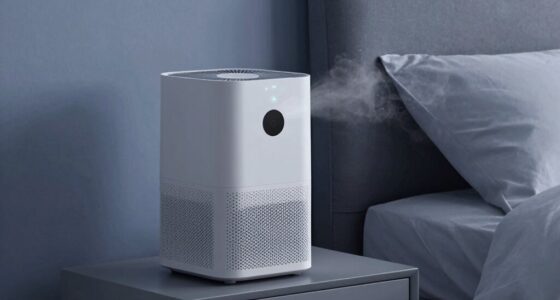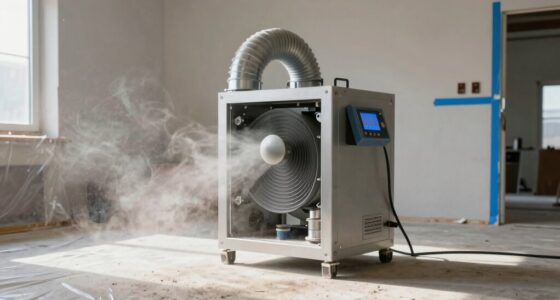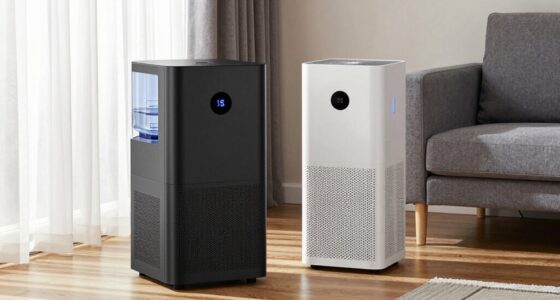
Indoor humidity greatly affects how comfortable you feel, the smells around you, and the air quality you breathe. Too much moisture makes the air feel warmer and leads to musty odors, while dry air can cause a chill and stale scents. Proper humidity levels help you breathe easier, reduce static, and keep your space smelling fresh. Keep an eye on humidity to improve your comfort and health, and discover the key ways to make your environment better.

Get oils, diffusers and self-care delivered free with Prime
- Fast, free delivery on millions of items
- Prime Video, Amazon Music and more included
- Member-only deals all year
Key Takeaways
- Proper humidity levels enhance thermal comfort by balancing perceived temperature and preventing feelings of dampness or chilliness.
- Maintaining ideal humidity reduces musty odors and mold growth, keeping indoor air fresh and clean.
- Optimal humidity minimizes static electricity, making skin and hair feel more comfortable and less prickly.
- Balanced humidity improves air quality by preventing dryness that irritates respiratory passages and trapping pollutants.
- Using humidifiers or dehumidifiers helps regulate humidity, promoting a healthier, more pleasant indoor environment.
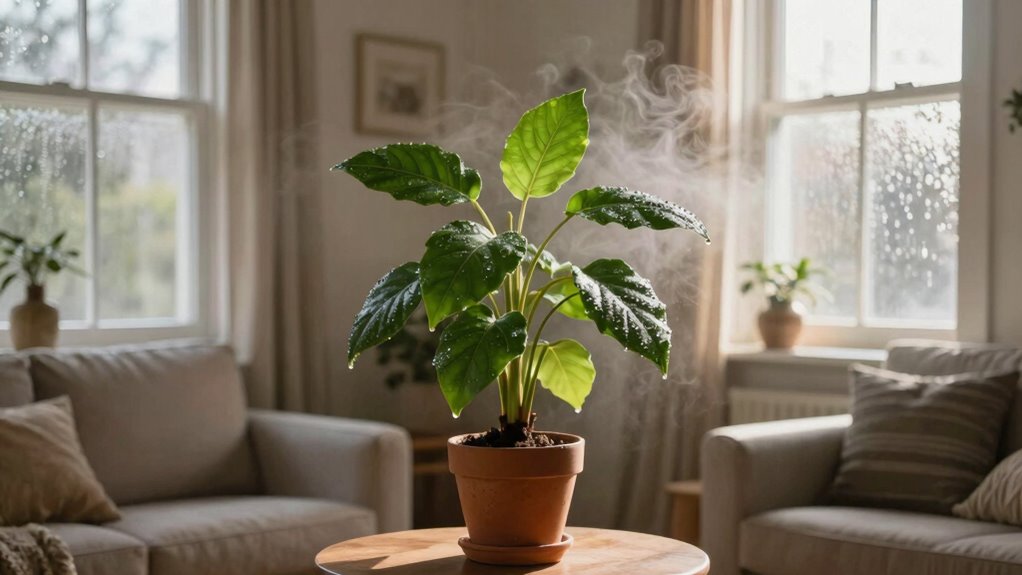
Have you ever wondered how indoor humidity affects your comfort? It’s something many people overlook, but humidity levels play a vital role in how comfortable you feel in your home. When humidity is too high or too low, it directly impacts your sense of thermal comfort—your perception of temperature and overall coziness. If the air is overly humid, you’ll likely feel warmer than the actual temperature because moisture in the air hinders your body’s ability to cool itself through sweating. Conversely, if the air is too dry, you might feel chilly or uncomfortable, especially during colder months. Maintaining an ideal humidity level helps your body regulate temperature more effectively, making your environment feel just right.
Humidity levels also influence how your home smells and how fresh the air feels. Excess moisture can lead to a damp, musty odor that lingers in fabrics, carpets, and walls. This smell often signals mold growth or bacteria thriving in the humid environment, which can be bad for your health and mood. On the other hand, low humidity can cause the air to smell stale or dusty, as dry air tends to carry more airborne particles that settle easily. Proper humidity helps keep smells at bay, creating a fresher, more pleasant atmosphere. It also reduces static electricity, which can make the air feel more comfortable and less prickly on your skin and hair.
Proper humidity keeps your home smelling fresh and reduces static for a more comfortable environment.
Air quality is also affected by humidity levels. When the air is too dry, your nasal passages and throat can become irritated, leading to discomfort, increased susceptibility to colds, or respiratory issues. High humidity, however, can make the air feel heavy and stagnant, trapping pollutants and allergens. This imbalance can lead to discomfort, allergies, or respiratory problems. Keeping the humidity within a recommended range—usually between 30% and 50%—ensures that your indoor air remains breathable, clean, and comfortable. Understanding the importance of indoor air quality** can help you make informed decisions about ventilation and air purification. Proper humidity control is essential for maintaining a healthy environment, especially in areas prone to moisture issues. Additionally, maintaining proper ventilation can help regulate humidity levels and improve overall air quality. Regular monitoring of humidity with hygrometers** can help you maintain this balance more precisely.
In the end, understanding what indoor humidity does to your comfort helps you create a better living environment. By controlling humidity levels, you can enhance thermal comfort, eliminate unpleasant odors, and improve air quality. It’s a simple adjustment that makes a significant difference in how you experience your home every day. Whether through humidifiers, dehumidifiers, or natural ventilation, managing indoor humidity is a key step toward feeling more comfortable, healthy, and at ease in your space. Proper indoor air quality management is essential for maintaining a healthy and comfortable home environment.
humidifier for indoor air quality
As an affiliate, we earn on qualifying purchases.
As an affiliate, we earn on qualifying purchases.
Frequently Asked Questions
How Does Humidity Affect Indoor Plant Health?
Humidity directly impacts your indoor plants’ health by influencing plant watering needs and leaf transpiration. When humidity is too low, your plants lose moisture quickly, leading to dehydration and wilting. Conversely, high humidity reduces transpiration, causing excess water retention and potential root rot. Maintaining the right humidity level helps regulate water absorption, keeps leaves healthy, and supports overall growth, ensuring your plants stay vibrant and strong.
Can Adjusting Humidity Improve Allergy Symptoms Indoors?
Adjusting humidity can considerably ease allergy symptoms indoors. Imagine breathing in air that feels just right—neither too dry nor too humid—helping airborne allergens settle or become less irritating. Proper humidity regulation keeps dust mites, mold, and pet dander in check, reducing their impact. By maintaining ideal humidity levels, you create a healthier environment where your air feels fresher, and allergy symptoms become noticeably milder.
What Is the Ideal Humidity Level for Different Seasons?
You should aim for a humidity level of 40-50% year-round for ideal seasonal comfort. In winter, lower humidity helps prevent dryness and static, while in summer, slightly higher levels can keep the air fresh and reduce mold growth. Effective humidity control is key to maintaining comfort through seasonal changes, so adjust your humidifier or dehumidifier accordingly. Keeping humidity balanced ensures better air quality and overall comfort indoors.
Does Humidity Influence Indoor Mold Growth?
Yes, humidity influences indoor mold growth. When humidity levels are high, mold spores thrive and spread more easily. You can prevent mold by practicing good mold prevention and maintaining proper humidity control. Keep indoor humidity between 30-50%, especially during humid seasons, to inhibit mold growth. Use dehumidifiers and ventilation systems to regulate moisture, and regularly inspect areas prone to dampness, like bathrooms and basements.
How Does Humidity Impact Electronic Device Performance?
Humidity is like a hidden puppeteer controlling your electronics. When indoor air is too humid, devices can overheat because moisture hampers cooling fans and causes internal components to work harder. Conversely, low humidity leads to static electricity buildup, risking shocks and damage. Maintaining balanced humidity prevents these issues, ensuring your electronics perform smoothly and last longer. Think of it as giving your gadgets a refreshing change of air for ideal function.
Conclusion
Maintaining the right indoor humidity is like tuning a delicate instrument—too dry, and your comfort fades like a distant melody; too moist, and odors swirl like stubborn fog. When you find that sweet spot, it’s as if you’ve revealed a secret garden of freshness and ease. Your home becomes a sanctuary where air whispers harmony, and every breath feels like a gentle dance—balanced, soothing, and perfectly in tune with your well-being.
Columbus Day / Indigenous Peoples' Day Picks
long weekend sales
As an affiliate, we earn on qualifying purchases.