
Dust mites are tiny creatures that live in our homes, feeding on dead skin cells. They thrive in warm, humid environments and can trigger allergy symptoms like sneezing, itchy eyes, and congestion. To prevent them, I recommend washing bedding in hot water, using allergen-proof covers, and keeping humidity below 50%. Staying vigilant with cleaning helps reduce their presence. If you want to learn more ways to control dust mites effectively, keep exploring the tips ahead.

Get oils, diffusers and self-care delivered free with Prime
- Fast, free delivery on millions of items
- Prime Video, Amazon Music and more included
- Member-only deals all year
Key Takeaways
- Dust mites are microscopic arachnids that thrive in warm, humid environments, feeding on shed skin cells.
- They trigger allergic reactions like sneezing, itchy eyes, nasal congestion, and can worsen asthma symptoms.
- Prevent dust mite exposure by washing bedding weekly in hot water, using allergen-proof covers, and maintaining humidity below 50%.
- Regular cleaning with HEPA-filter vacuums, dusting with damp cloths, and reducing clutter help control dust mite populations.
- Replacing carpets with hard flooring and using air conditioning further decreases dust mite habitats and improves indoor air quality.

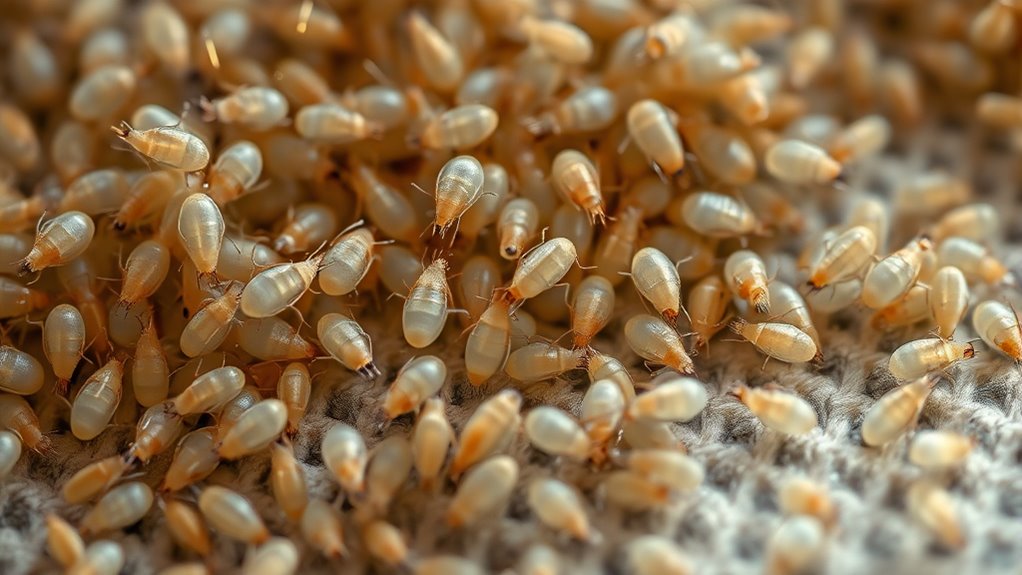
Have you ever wondered what tiny creatures are lurking in your bedding and furniture? Dust mites are microscopic arachnids that thrive in our homes, especially in places where we spend a lot of time resting. They feed on dead skin cells shed by humans and pets, making mattresses, pillows, upholstered furniture, and carpets their favorite habitats. These creatures are invisible to the naked eye but can trigger allergic reactions and worsen asthma symptoms in sensitive individuals. Understanding how to manage allergies and keep your home clean can considerably reduce your exposure.
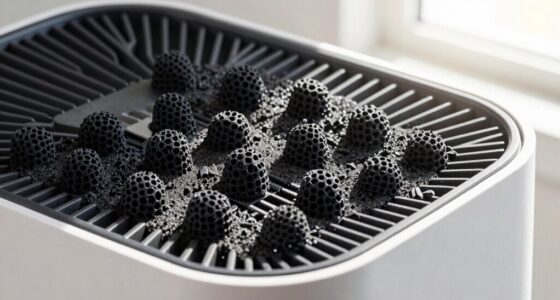
When it comes to allergy management, knowing how dust mites affect your health is essential. Their waste products and body fragments become airborne and settle in your environment, causing sneezing, nasal congestion, itchy eyes, and coughing. For allergy sufferers, avoiding exposure is key. Regular household cleaning is your best defense. Using a vacuum cleaner with a HEPA filter can trap these tiny pests and their debris effectively. It’s also important to wash bedding, pillowcases, and blankets weekly in hot water—at least 130°F—to kill dust mites and remove allergens. Encase mattresses and pillows in allergen-proof covers to prevent mites from infiltrating these areas. Reducing humidity in your home, ideally below 50%, makes the environment less hospitable for dust mites, as they thrive in warm, humid conditions. Using a dehumidifier or air conditioner can help maintain this level. Decluttering your space also limits hiding spots, making cleaning easier and more effective. Additionally, consistent messaging about the importance of thorough cleaning can help reinforce good habits and reduce dust mite populations.
Household cleaning plays a fundamental role in controlling dust mite populations. Regular dusting with a damp cloth prevents dust from becoming airborne, and vacuuming carpets and upholstery frequently diminishes their numbers. If possible, replace carpets with hard flooring, as dust mites cling less to smooth surfaces. Bedding and upholstery should be washed or cleaned often, and using allergen-impermeable covers can make a noticeable difference. Remember, it’s not just about cleaning—it’s about cleaning smartly. Avoid heavy use of fabric softeners or scented products, which can sometimes aggravate allergies. Maintaining overall cleanliness and reducing dust build-up in your home creates a less inviting environment for dust mites.
HEPA filter vacuum cleaner for dust mites
As an affiliate, we earn on qualifying purchases.
As an affiliate, we earn on qualifying purchases.
Frequently Asked Questions
Can Dust Mites Survive in Outdoor Environments?
Dust mites generally can’t survive outdoors because environmental factors like sunlight, humidity, and temperature are harsh for them. They thrive in indoor settings where conditions stay warm and humid. I’ve found that outdoor survival for dust mites is unlikely, as they are sensitive to these environmental factors. So, if you’re worried about them outside, rest assured—they’re mostly an indoor problem.
Are There Natural Remedies to Eliminate Dust Mites?
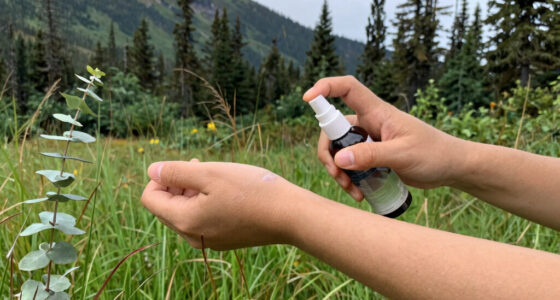
I find natural remedies fantastic for dust mite elimination. I recommend regular washing of bedding, using essential oils like eucalyptus or tea tree, and maintaining low humidity levels. These simple steps help suppress dust mites naturally. I’ve noticed that consistent cleaning, combined with natural remedies, effectively reduces dust mite populations, making my home healthier and more comfortable. Give these a try, and you’ll likely see a noticeable difference!
How Do Dust Mites Affect People With Asthma?
Dust mite allergy can considerably worsen asthma symptoms, leading to frequent asthma flare-ups. I’ve noticed that when dust mites are present, my breathing becomes more strained, and I experience more wheezing. For people with asthma, dust mite allergens trigger inflammation in the airways, making it harder to breathe. Managing dust mite exposure helps reduce these asthma flare-ups and improves overall respiratory health.
Can Dust Mites Cause Skin Rashes or Allergies?
Yes, dust mites can cause skin irritation and allergy symptoms. I’ve noticed that exposure often leads to itchy, red skin or rashes, especially if you’re sensitive or allergic. These tiny creatures trigger your immune system, resulting in allergic reactions. To reduce this, I recommend frequent cleaning, using allergen-proof covers, and keeping humidity low. It really helps minimize those uncomfortable skin irritations and allergy symptoms caused by dust mites.
Do Dust Mites Pose Risks to Pets?
Imagine tiny invaders lurking in your pet’s cozy spots—that’s how dust mites can pose risks to pets. They can trigger pet allergy impacts, causing itching, sneezing, or skin irritation. While dust mite transmission to animals isn’t common, pets with allergies may react strongly. I’ve seen how these pests can worsen symptoms, so keeping your pet’s environment clean helps reduce the risk and keeps them comfortable and healthy.
Conclusion
If you’re worried about dust mites, I get it—cleaning can seem overwhelming. But remember, small steps like using allergen-proof covers and washing bedding weekly make a real difference. You don’t have to eliminate every mite, just reduce their presence. Taking control of your environment can markedly ease allergy symptoms and improve your comfort. So don’t let the fear hold you back—start with simple changes today, and breathe easier tomorrow.
Evergreen bestsellers Picks
bestsellers
As an affiliate, we earn on qualifying purchases.