
TL;DR

Get oils, diffusers and self-care delivered free with Prime
- Fast, free delivery on millions of items
- Prime Video, Amazon Music and more included
- Member-only deals all year
Aromatherapy diffusers release calming scents that can help reduce stress and anxiety. Choosing the right type, high-quality oils, and maintaining your diffuser boosts their calming effects. Regular use creates a peaceful environment for everyday relaxation.
Choose ultrasonic diffusers for quiet, humidifying stress relief at home.
Use high-quality, therapeutic-grade essential oils like lavender and bergamot for best calming effects.
Regularly clean your diffuser to maintain safety and scent purity.
Leverage tech features like app control and mood lighting for personalized relaxation routines.
Combine diffuser use with breathing exercises or meditation for enhanced stress reduction.
Which diffuser type creates the calmest atmosphere?
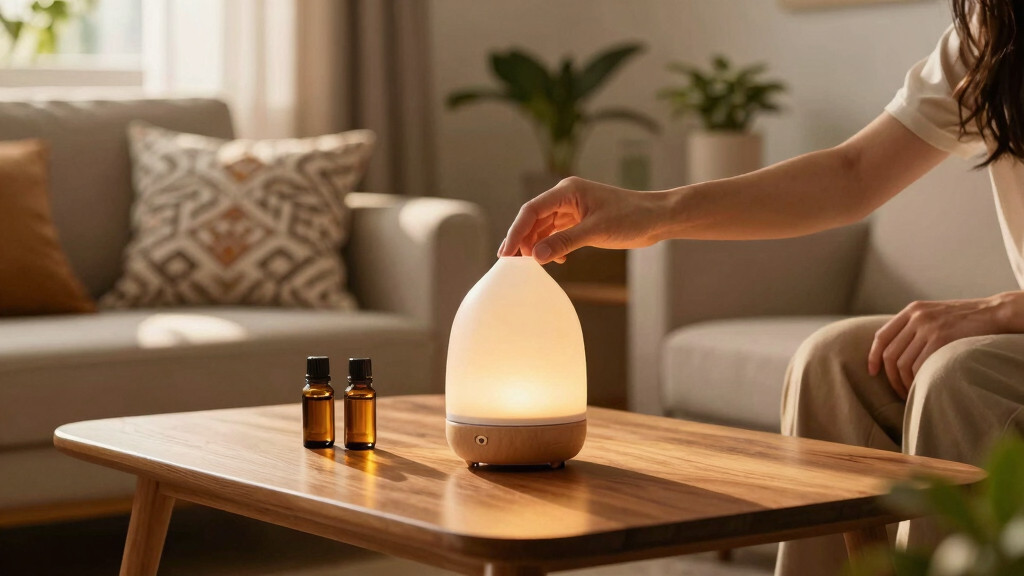
Ultrasonic diffusers are the most popular for stress relief. They use ultrasonic vibrations to turn water and essential oils into a fine mist, filling your room with scent without noise or heat. Imagine a gentle hum that’s almost silent, with a cool mist that feels like a soft cloud around you.
For example, a busy mom might set an ultrasonic diffuser in her bedroom, letting lavender and chamomile drift in as she unwinds after a hectic day. The importance of choosing ultrasonic diffusers lies in their ability to provide a subtle, consistent scent without disrupting your relaxation. Their humidifying feature also adds a layer of physical comfort, helping to alleviate dry skin and sinus issues, which can otherwise contribute to stress. However, it’s worth considering that ultrasonic diffusers require regular cleaning to prevent mold and bacterial buildup, which could compromise their safety and efficacy over time. Understanding these tradeoffs helps you select a diffuser that balances quiet operation, health considerations, and maintenance needs, ultimately supporting a more effective stress-relief environment.
Other types include nebulizing diffusers, which create a more concentrated aroma without water, making them excellent for targeted stress relief but often more intense and less subtle. Heat diffusers warm oils, which can release the scent quickly but may alter some therapeutic properties, potentially reducing their calming effects. Evaporative models blow air through scented pads, but this can lead to inconsistent scent distribution, making it less reliable for creating a steady calming environment. Choosing the right diffuser depends on your specific needs: ultrasonic models balance quiet operation, humidity, and scent diffusion, making them ideal for most stress-relief scenarios.
As an affiliate, we earn on qualifying purchases.
What essential oils turn your space into a stress-free zone?
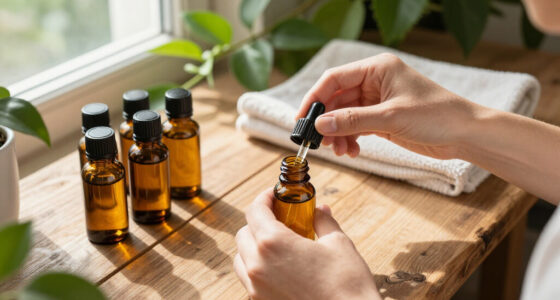
Some oils are like a hug for your mind. Lavender tops the list, with its soft, floral aroma that melts tension. Its calming properties are backed by studies showing it can reduce cortisol levels, helping you feel more relaxed and less anxious. The deep understanding of lavender’s effects reveals that it not only eases immediate stress but also supports long-term resilience by lowering cortisol, the body’s primary stress hormone. Choosing lavender as your go-to oil can therefore have both acute and chronic benefits, making it a versatile staple. Similarly, chamomile offers a sweet, apple-like scent that relaxes nerves and promotes better sleep—crucial for long-term stress management, as sleep quality directly impacts mood and stress levels. Bergamot delivers a citrusy brightness that lifts mood and encourages a sense of optimism, which can be particularly valuable during stressful periods when maintaining a positive outlook is challenging. Frankincense grounds you with earthy calm, often used in meditation practices to deepen relaxation by anchoring your mind and reducing mental chatter. Ylang-ylang has a floral, slightly sweet scent that can lower blood pressure and heart rate, making it effective for acute stress moments. Recognizing the specific properties and applications of these oils allows you to tailor your stress relief strategy, choosing scents that resonate with your needs and preferences. Selecting high-quality, therapeutic-grade oils ensures that these benefits are maximized because adulterated or low-grade oils may contain contaminants or fillers that diminish their efficacy or cause sensitivities. Investing in pure, high-grade oils is essential for long-term, safe stress management, ensuring your diffuser becomes a reliable tool for mental well-being.
How to pick a diffuser that helps you chill out faster
Choosing a diffuser isn’t just about looks. Think about your space, your routine, and how you want to feel. An ideal diffuser should seamlessly integrate into your environment and support your relaxation goals.
- Size and coverage: Measure your room to ensure your diffuser can adequately fill the space with scent. Ultrasonic diffusers typically cover up to 400 sq ft, but larger rooms may require models with higher output or multiple units. An undersized diffuser in a large room might lead to weak scent diffusion, reducing its calming effect, while an overly powerful diffuser in a small space could be overwhelming or noisy. Considering the size helps you avoid these tradeoffs, ensuring a balanced, effective scent experience that promotes relaxation without sensory overload.
- Noise level: If you plan to use your diffuser while sleeping or meditating, opt for a quiet ultrasonic model. Noise can disrupt your relaxation or sleep cycle, so choosing a diffuser with a reputation for silent operation or sleep mode is crucial. This attention to detail ensures your diffuser supports a calming environment rather than disrupting it, making it a more effective stress-relief tool.
- Ease of cleaning: Regular cleaning prevents mold and bacterial growth, which can cause allergic reactions or diminish scent quality. Choose models with wide openings and simple instructions for cleaning—this ensures consistent performance and safety. A diffuser that’s easy to maintain encourages regular use, which is essential for sustained stress relief benefits.
- Design and safety features: Features like auto shut-off prevent overheating and conserve energy, while BPA-free materials reduce chemical exposure. These safety features contribute to a stress-free experience, knowing your device is reliable and safe, especially if you plan to use it frequently or around children and pets. Prioritizing safety and ease of maintenance ensures your diffuser remains a trusted part of your relaxation routine.
For example, a small ultrasonic diffuser with a soft blue light can sit on your bedside table, quietly filling your space with lavender as you drift into sleep—enhancing relaxation without added stress from noise or complicated operation. Paying attention to these details helps you select a diffuser that seamlessly supports your stress management goals, making your calming routine more effective and enjoyable.
What are the latest tech upgrades making diffusers more relaxing?
New tech makes diffusers more user-friendly and mood-enhancing. Smart diffusers connect to apps, allowing you to schedule scents or adjust intensity from your phone—giving you control even when you’re busy or away. This integration helps establish a routine, ensuring your space is always ready to promote calm when you need it most. The ability to customize scent schedules and intensities means you can align your diffuser’s operation with your natural rhythms, amplifying its stress-relief potential. Many smart diffusers also feature voice control compatibility, adding convenience and reducing the effort needed to maintain a calming environment.
Many now include LED mood lighting, which can mimic sunrise or sunset, helping your circadian rhythm and deepening your relaxation experience. This feature not only creates a soothing visual environment but also encourages natural sleep cycles, which are essential for managing stress and preventing burnout. The integration of gentle lighting with scent diffusion supports a holistic approach to relaxation, addressing both mental and physical cues for calm. Ultrasonic tech advancements include quieter operation and longer-lasting components, making your relaxation more consistent and hassle-free. These improvements reduce the need for frequent maintenance and ensure your diffuser remains a reliable component of your stress management routine.
Eco-friendly models use biodegradable materials and energy-efficient motors, aligning your stress relief routine with sustainability goals. Hybrid diffusers combine ultrasonic, nebulizing, and humidifying functions, offering versatile control over scent intensity, humidity, and ambiance—helping you craft the perfect calming environment for any moment, whether quick stress relief or extended relaxation. These innovations demonstrate how technological evolution enhances not only the functionality but also the sustainability and user experience of diffusers, ultimately making your stress management routine more accessible and effective.
How to use essential oils safely and effectively for stress relief
Essential oils are potent, so a little goes a long way. Use high-quality, pure oils, and always follow dilution guidelines. For diffusers, typically 3-5 drops per 100 ml of water is enough to create a calming atmosphere without overwhelming your senses or risking device damage. Using too much oil can lead to headaches or irritations, and in some cases, damage your diffuser’s internal components. Understanding the importance of proper dilution helps prevent adverse effects like headaches, nausea, or allergic reactions, which can undermine your stress relief efforts. Over-concentrated oils can also cause residue buildup, reducing diffuser lifespan and efficiency.
Never add oils directly into the diffuser without water unless specified—this can cause overheating, malfunction, or safety hazards. Regular cleaning after each use prevents mold, bacteria, and residual buildup, which can compromise scent quality and cause allergic reactions. Cleaning with mild soap and vinegar solutions ensures your diffuser remains safe and effective over time. Recognizing that improper use can not only diminish therapeutic benefits but also pose safety risks underscores the importance of following manufacturer instructions and best practices.
Patch test new oils by applying a diluted drop on your skin, especially if you have sensitive skin or allergies. If you’re pregnant, nursing, or have underlying health conditions, consult a healthcare professional before trying new oils to avoid adverse reactions. Proper use and maintenance maximize the therapeutic benefits while minimizing risks, making aromatherapy a safe and effective tool for stress relief. This careful approach ensures that your diffuser remains a trusted part of your wellness routine, providing consistent calming effects without unintended consequences.
Frequently Asked Questions
Are aromatherapy diffusers safe for children or pets?
Generally, yes—if you use child- and pet-safe oils and keep the diffuser in a well-ventilated area. Some oils, like peppermint or eucalyptus, can be toxic to pets, so research specific oils before use. Always supervise and follow safety guidelines.How long should I run a diffuser to see stress-relieving effects?
Most people find 30 to 60 minutes per session effective. Many diffusers have timers or auto shut-off features, so you can set it and relax without worry. Consistent use, like daily or several times a week, boosts benefits.Which oils are best for anxiety and relaxation?
Lavender, bergamot, chamomile, frankincense, and ylang-ylang are top choices. They help calm the nervous system and promote a peaceful state of mind. Experiment with blends to find what relaxes you most.Can I use any essential oil in my diffuser?
No—only use oils labeled as safe for diffusion and of high purity. Cheaper oils may contain fillers or additives that won’t provide the intended calming effect and could damage your diffuser.How do I clean my diffuser properly?
Follow the manufacturer’s instructions, usually involving wiping with a damp cloth and occasional deep cleaning with vinegar or mild soap. Regular cleaning prevents mold and ensures a fresh, safe scent every time.Conclusion
A good diffuser isn’t just a gadget—it’s your personal doorway to calm. Pair it with quality oils and a mindful routine, and stress starts to fade into the background. Your peaceful space is just a few drops away. Ready to turn your home into a sanctuary of serenity?Halloween Picks
halloween
As an affiliate, we earn on qualifying purchases.