
TL;DR
The CDC has activated a Level 3 emergency response for dengue outbreaks in Florida and the Republic of the Marshall Islands. Florida has reported 745 cases this year, including 425 acquired locally, with most locally acquired cases concentrated around Tampa.
The CDC has issued a Level 3 emergency response for dengue outbreaks in Florida and the Republic of the Marshall Islands, the agency’s eighth emergency response activation this year. Florida has reported 745 dengue cases this year, 425 of them locally acquired, with most of those local infections concentrated in the Tampa area.

Get oils, diffusers and self-care delivered free with Prime
- Fast, free delivery on millions of items
- Prime Video, Amazon Music and more included
- Member-only deals all year
The Florida total is the state’s largest dengue outbreak in decades and, according to the report, the largest outbreak in the continental United States since 1935. During a call with clinicians, CDC experts said locally acquired cases primarily involve dengue virus serotype 2 (DENV-2). Of the cases, 54% were in men; the median age was 43, and 45% were among people aged 30 to 49.
Forty-seven percent of reported cases required hospitalization, according to the CDC. The agency did not say that this proportion represents all infections in the state. Dengue infections can be asymptomatic, and the report’s experts said reported cases may capture only part of the total number of infections.
Chris Braden, acting director of the CDC’s National Center for Emerging and Zoonotic Infectious Diseases, said the agency was also supporting the outbreak response in the Marshall Islands, which declared a state of emergency on its two largest islands, Ebeye and Majuro. Braden said the CDC had provided programmatic support and deployed an Epi-Aid team, a field team used to assist with outbreak investigations and responses.
Local Dengue Cases Raise U.S. Concerns
The response reflects concern about ongoing local transmission in Florida, rather than only infections acquired during travel. Dengue is transmitted by infected mosquitoes, and local cases mean people can be infected where they live without having traveled to an area with an outbreak.
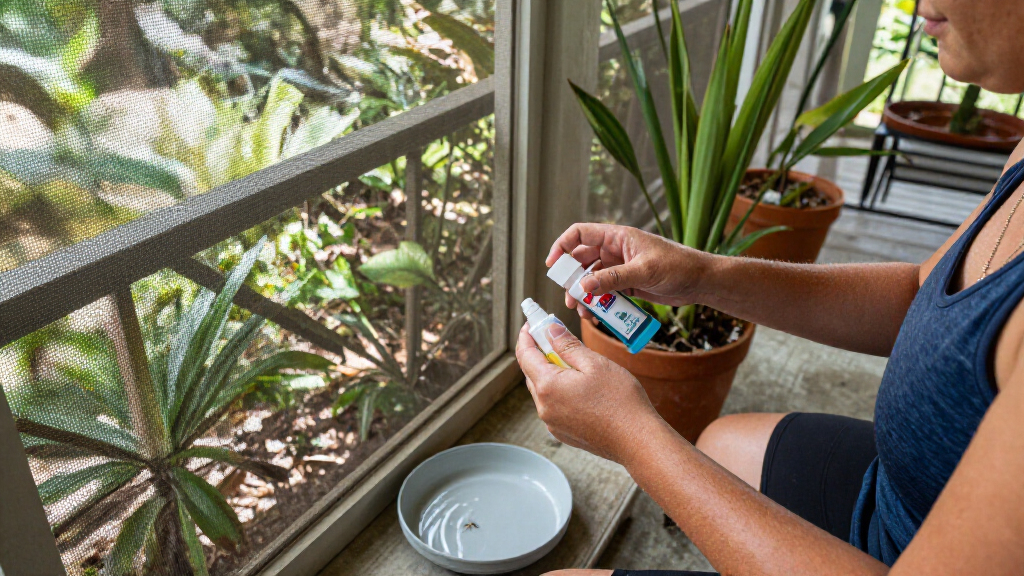
Adam Waickman, a dengue expert at SUNY Upstate Medical University, told MedPage Today that the mosquito species capable of carrying dengue have become more prevalent in Florida. He said routine spraying may not reach mosquitoes that live in and around homes. That makes steps to avoid bites relevant to people in affected areas: Waickman advised using repellent, wearing long sleeves and covering exposed skin.
The reported case count also has limits. Waickman said an estimated 70% to 90% of dengue infections are asymptomatic, so infections may not be diagnosed or included in official totals. That estimate is his assessment, not a CDC count of unreported infections in Florida.
Products Worth Considering

Garmin Forerunner 970 GPS Running and Triathlon Smartwatch, 47 mm, Titanium, Whitestone/Amp Yellow

Hyperice Hypervolt 3 Percussion Massage Gun with Heated Head and Carry Case

Garmin Forerunner 265S Running Smartwatch, 42 mm, Whitestone/Neo Tropic
As an affiliate, we earn on qualifying purchases.
How Florida’s Outbreak Developed
Locally acquired dengue is not new to Florida, but the current totals are unusually high, according to the source report. The CDC’s emergency activation places the outbreak alongside other responses the agency has managed this year, including Cyclospora, Ebola, measles, hantavirus and New World screwworm outbreaks, as well as activations related to World Cup safety and a wastewater spill near Washington, D.C.
Braden cited the widespread presence of Aedes aegypti mosquitoes and rainfall associated with recent hurricanes as reasons continued domestic transmission remains a concern. Waickman also identified Aedes albopictus as a dengue vector, while describing Aedes aegypti as the more effective transmitter. The report says these mosquito species have ranges extending beyond Florida, though it does not establish that dengue transmission is occurring across those wider ranges.
There is no dengue vaccine licensed in the United States, according to the report. Waickman discussed safety concerns associated with a Sanofi Pasteur vaccine for people who have never had dengue, as well as Takeda’s withdrawal of its U.S. biologics license application in 2023 after discussions with the FDA about data collection. He also said antivirals and monoclonal antibodies are being studied; these remain investigational treatments, not established options described as available for routine care.
“The CDC “has been providing programmatic support and deployed an Epi-Aid team.””
— Chris Braden
Outbreak Size and Spread Remain Uncertain
The total number of infections is unknown. Many dengue infections may cause no symptoms, and the report does not provide an estimate of how many infections have gone undetected in Florida. The CDC’s 745-case figure is the reported total, not a confirmed count of every infection.
The source material does not specify the exact dates covered by the 745 cases, how many are currently active, or whether the CDC expects transmission to expand beyond the areas already reporting cases. It also does not give detailed operational steps or a timetable for the Level 3 response. Braden identified rainfall and mosquito presence as concerns, but the report does not quantify the effect of either factor on the outbreak.
Claims about future spread should be treated as expert expectations, not a confirmed forecast. Waickman said experts expect dengue to become endemic in the United States, but the report does not establish when or where that might occur.
CDC Support and Local Prevention
The CDC response is ongoing in Florida and the Marshall Islands. In the Marshall Islands, the agency has deployed an Epi-Aid team; the report provides no further details about the team’s activities or the duration of its work. It also does not describe specific new response measures for Florida beyond the emergency activation.
For people in affected Florida communities, the immediate advice reported by Waickman is to reduce mosquito bites with repellent and covering clothing. The outbreak’s reported case count, hospitalizations and geographic distribution may change as health officials continue monitoring and identifying infections. No next update date or forecast for when the emergency response may end was provided.
Key Questions
What did the CDC announce?
The CDC issued a Level 3 emergency response for dengue outbreaks in Florida and the Republic of the Marshall Islands. The activation is the agency’s eighth emergency response this year, according to the report.
How many dengue cases has Florida reported?
Florida has reported 745 cases this year, including 425 locally acquired cases. Most locally acquired cases are concentrated around the Tampa area. The report does not specify the exact dates covered by the total.
What does locally acquired dengue mean?
It means the infection was acquired within the affected area rather than during travel elsewhere. Dengue spreads through infected mosquitoes, so locally acquired cases indicate that transmission is occurring in the community.
How can people reduce their risk of dengue?
Dengue is spread by mosquito bites. Waickman advised using mosquito repellent and wearing long sleeves or other clothing that covers exposed skin. The report does not give product-specific guidance.
Is a dengue vaccine available in the United States?
The report says no dengue vaccine is licensed in the United States. It also describes vaccines and treatments under study or available in some other countries, but does not identify them as routine U.S. options.
Source: rss