
If your bad breath persists despite good oral hygiene, it might be due to underlying health issues that need medical attention. Conditions like sinus infections, gum disease, or systemic problems such as GERD can cause ongoing odor. Lifestyle factors like smoking or medication side effects also play a role. Seeing a healthcare professional can help identify hidden causes and guide effective treatment. Stay with us to discover more about when and why a medical checkup becomes necessary.

Get oils, diffusers and self-care delivered free — and shop member deals
- Fast, free delivery on millions of items
- Access to Prime Big Deal Days deals on October 6–7
- Prime Video, Amazon Music and more included
Key Takeaways
- Persistent bad breath despite good oral hygiene may indicate underlying medical conditions requiring evaluation.
- Conditions like sinus infections, gum disease, or systemic illnesses can cause chronic halitosis.
- Medications and metabolic disorders can contribute to ongoing bad breath, needing medical assessment.
- Lifestyle habits such as smoking or alcohol use may necessitate medical intervention for resolution.
- Early diagnosis of underlying health issues improves treatment outcomes and overall health.
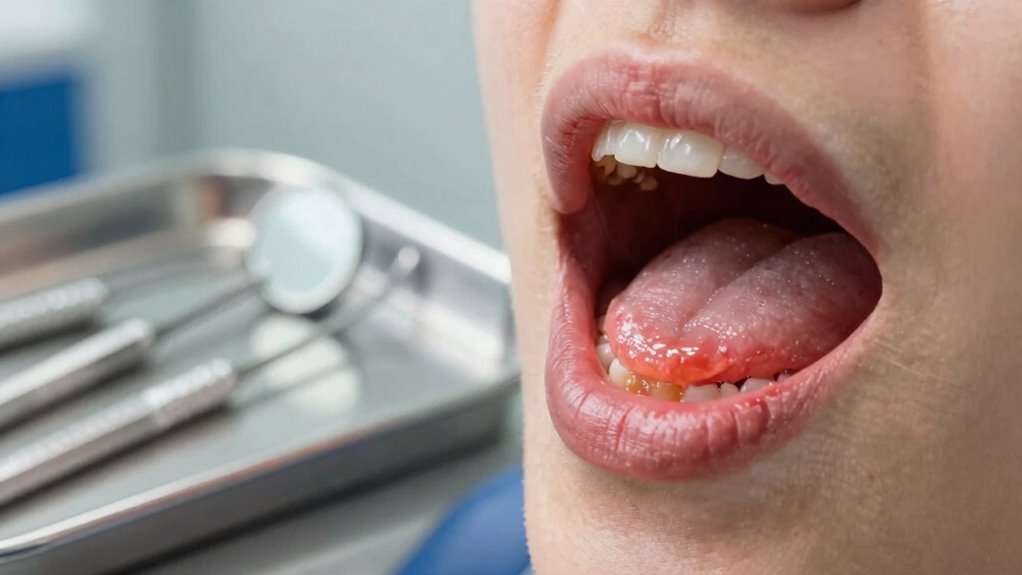
Have you ever wondered what’s causing your persistent bad breath? It can be frustrating to brush and floss diligently, only to find that your breath still isn’t fresh. Often, bad breath stems from poor dental hygiene or lifestyle habits, like smoking or eating strong-smelling foods. However, when bad breath persists despite good oral care, it might be a sign of an underlying health issue that requires medical attention. That’s when a medical workup becomes necessary, helping to uncover hidden causes you might not suspect.
Dental hygiene is usually the first thing to evaluate. If you’re not brushing twice a day, flossing regularly, and visiting your dentist for routine cleanings, bacteria can build up in your mouth. These bacteria produce sulfur compounds that cause bad odors. But if you’re maintaining proper dental hygiene and still dealing with chronic bad breath, other factors come into play. Some medical conditions can influence oral health or produce odors that affect breath, such as sinus infections, tonsilloliths, or gum disease. These issues often require specialized treatment beyond routine dental care.
Lifestyle habits also markedly impact breath freshness. Smoking, for example, introduces chemicals into your mouth that linger and cause bad odors. Consuming certain foods like garlic, onions, or alcohol can temporarily taint your breath, but if bad breath persists long after eating, it may point to deeper problems. Lack of hydration can lead to dry mouth, which reduces saliva’s ability to naturally cleanse the mouth, allowing bacteria to flourish. This often results in persistent bad breath that doesn’t resolve with routine brushing.
When bad breath continues despite good dental hygiene and positive lifestyle choices, a medical workup becomes essential. Your healthcare provider might evaluate for conditions like gastroesophageal reflux disease (GERD), respiratory infections, or systemic illnesses such as diabetes. These health issues can cause halitosis, and identifying them early can improve both your overall health and breath quality. In some cases, bad breath may be linked to medication side effects or metabolic problems, which require medical intervention.
medicated mouthwash for bad breath
As an affiliate, we earn on qualifying purchases.
As an affiliate, we earn on qualifying purchases.
Frequently Asked Questions
Can Medication Side Effects Cause Chronic Bad Breath?
Yes, medication side effects can cause chronic bad breath. Some drugs, including those for hypertension, depression, or allergies, can alter your saliva production or cause dry mouth, which promotes bacteria growth. Drug interactions might also lead to this issue. If you notice persistent bad breath after starting new medication, consult your doctor. They can adjust your treatment or suggest solutions to manage side effects and improve your oral health.
How Does Systemic Illness Influence Persistent Bad Breath?
You might wonder if systemic illnesses cause persistent bad breath. The truth is, conditions like metabolic disorders and respiratory infections can profoundly influence your breath. Metabolic issues like diabetes can produce a fruity odor, while respiratory infections, such as sinusitis or bronchitis, lead to foul smells from mucus. These illnesses alter your body’s chemistry or introduce bacteria, making your bad breath a sign of underlying health issues that need medical attention.
Are There Specific Foods That Worsen Chronic Halitosis?
Certain foods, like garlic, onions, and spicy dishes, are common food triggers that worsen chronic halitosis. These foods contain compounds that bacteria break down, releasing foul odors. Your dietary habits also play a role; high-sugar diets promote bacterial growth, worsening bad breath. To manage this, consider reducing your intake of these triggers and maintaining good oral hygiene, which can considerably help control persistent bad breath.
What Role Does Oral Hygiene Play in Medical Bad Breath Cases?
Imagine you’re like a knight defending your oral kingdom. Proper oral hygiene is essential, especially since tongue coating can harbor bacteria causing bad breath. If salivary flow decreases, your mouth becomes drier, allowing bacteria to thrive. Regular brushing, flossing, and tongue cleaning help remove debris and reduce bacteria, but if bad breath persists, it might signal an underlying health issue needing medical attention. Stay vigilant and keep your mouth fresh!
How Long Should a Bad Breath Last Before Seeking Medical Evaluation?
You should see a doctor if bad breath persists beyond two weeks, especially if it doesn’t improve with improved oral hygiene. Diet triggers and oral infections can cause ongoing bad breath that needs medical attention. Persistent odor might signal underlying issues like sinus problems, gastrointestinal issues, or infections. Don’t ignore prolonged bad breath; a healthcare professional can diagnose and treat the root cause effectively.
Conclusion
If your bad breath persists despite good oral hygiene, don’t ignore it—seek medical advice. Sometimes, underlying health issues like infections or metabolic conditions cause chronic breath problems. Did you know that roughly 15% of adults experience persistent bad breath? Addressing the root cause can improve your overall health and confidence. Remember, a medical workup isn’t just about freshening your breath—it’s about taking care of your well-being.
Evergreen bestsellers Picks
bestsellers
As an affiliate, we earn on qualifying purchases.