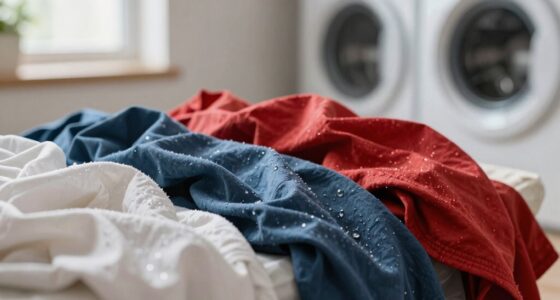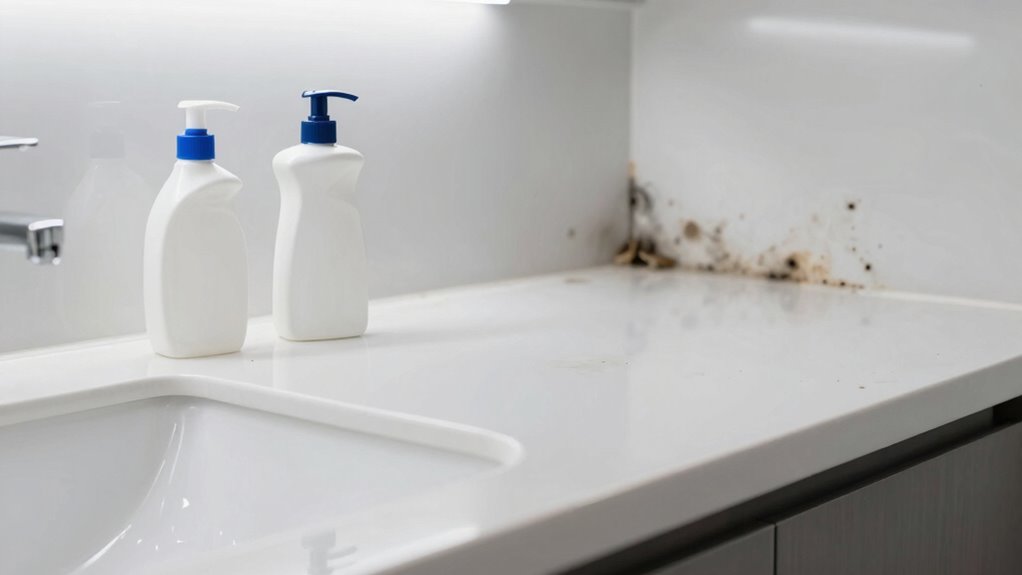
“Clean-smelling” products often use synthetic fragrances to create an appealing scent that masks the presence of harmful chemicals. This distraction makes you focus on the fresh aroma instead of evaluating the true ingredients, which can include allergens, endocrine disruptors, or respiratory irritants. By prioritizing scent, companies divert your attention from potential health risks. If you keep exploring, you’ll discover how these deceptive tactics hide the real issues behind seemingly harmless products.
Listen free for 30 days with Audible
Thousands of audiobooks and originals — cancel anytime.
As an affiliate, we earn on qualifying purchases.
Key Takeaways
- “Clean” scents mask underlying chemical complexity, diverting attention from harmful ingredients in products.
- Pleasant fragrances create a false sense of safety, hiding potential health risks of synthetic chemicals.
- Marketing focuses on scent appeal, distracting consumers from scrutinizing actual product safety and ingredient transparency.
- Fragrance masking encourages acceptance of chemical cocktails instead of advocating for natural, safer alternatives.
- Recognizing scent deception empowers consumers to prioritize ingredient transparency and make healthier product choices.
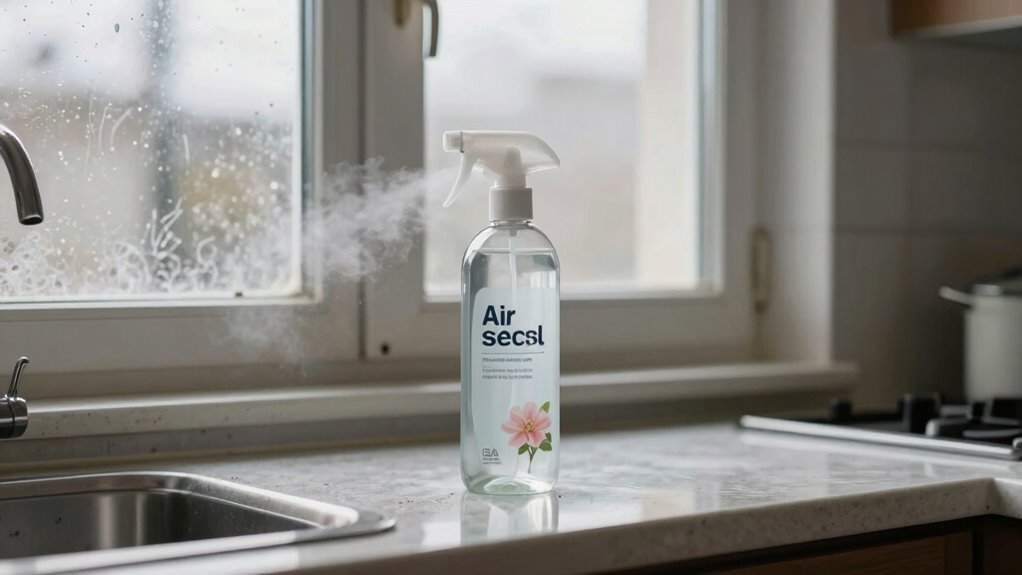
Many cleaning and personal care products boast a fresh, clean scent, but this often masks deeper issues rather than addressing them. This is especially true when it comes to synthetic fragrances, which are commonly used to give products that appealing, “fresh” smell. These fragrances are engineered chemicals that can be difficult to trace on ingredient labels, leading to a form of consumer deception. Manufacturers know that a pleasant scent can make a product seem more effective or desirable, but it doesn’t necessarily mean the product is genuinely clean or safe. Instead, it creates a distraction, shifting your focus away from the ingredients that might be harmful or ineffective.
Synthetic fragrances mask deeper issues, distracting from harmful ingredients and misleading consumers about product safety.
When you reach for a product based solely on its smell, you might overlook what’s really inside. Synthetic fragrances are often a cocktail of dozens of chemicals, some of which can cause allergic reactions, skin irritation, or even long-term health issues. These chemicals can also contain endocrine-disrupting compounds, which interfere with your hormone systems. Yet, because these fragrances are marketed as a simple, pleasing scent, many consumers remain unaware of the potential risks. The industry’s use of these fragrances plays into a form of manipulation—by making products smell appealing, companies can obscure the presence of potentially harmful ingredients, encouraging you to overlook their safety concerns. Recognizing the complex chemical cocktail in many fragrances highlights the importance of reading labels carefully.
This strategy of masking with scent is a form of consumer deception. It’s designed to appeal to your senses rather than your health or the environment. You might feel confident buying a product because it smells fresh and clean, but that confidence can be misplaced if you’re unaware of what’s hidden inside. The allure of a pleasant aroma often distracts from the fact that many of these products contain chemicals linked to respiratory issues, hormone disruption, or environmental damage. Instead of focusing on ingredient transparency, many brands rely on the power of scent to sell their products, which can lead you to overlook more meaningful factors like biodegradability, non-toxicity, or natural ingredients. Recognizing the prevalence of synthetic fragrances underscores the importance of choosing products with transparent labels and natural ingredients.
Ultimately, the “clean” smell in products is a marketing tool designed to appeal to your senses and influence your purchasing decisions. It’s a distraction from the real issues—such as questionable ingredients and potential health risks—that deserve your attention. Recognizing this allows you to make more informed choices, prioritizing products with transparent labels and natural ingredients over those that simply smell good. When you see through the deception of synthetic fragrances, you’re better equipped to select products that genuinely support your health and well-being rather than just masking problems with a pleasing scent.
Being aware of fragrance masking tactics can help you avoid falling for superficial marketing tricks and instead focus on the true safety and effectiveness of your products. This awareness also encourages a shift toward natural ingredients, which are typically free from harmful chemicals and better for your health and the environment. Recognizing that many products rely on deceptive scent tactics emphasizes the importance of advocating for ingredient transparency in the marketplace.
natural fragrance free cleaning products
As an affiliate, we earn on qualifying purchases.
As an affiliate, we earn on qualifying purchases.
Frequently Asked Questions
Are Clean-Smelling Products Always Safer Than Unscented Ones?
No, clean-smelling products aren’t always safer than unscented ones. Synthetic fragrances often contain chemicals that can cause allergic reactions or irritate sensitive skin. Consumer bias towards scented products might lead you to believe they’re safer or more effective, but that’s not always true. Unscented options typically have fewer additives, making them a safer choice for those with sensitivities or allergies. Always check labels to make informed choices.
How Do Clean Scents Affect Consumer Perceptions of Cleanliness?
Imagine you’re in a 1920s speakeasy—clean scents influence your perception of cleanliness more than actual hygiene. These fragrances cause sensory deception, leading you to believe a space is cleaner than it truly is. This perception bias makes consumers trust products based on smell rather than effectiveness. As a result, clean scents can boost confidence in cleanliness but might also mask underlying issues, diverting attention from real cleanliness concerns.
Can Reliance on Scents Hinder Addressing Underlying Issues?
Relying on scents can hinder you from addressing underlying issues because the pleasant aroma provides emotional comfort and masks real problems. Instead of tackling the root cause, you might focus on the sensory distraction, believing everything is clean. This false sense of security prevents meaningful solutions, making issues worse over time. Recognizing this helps you prioritize fixing the core problem rather than just masking it with a clean smell.
What Are Common Ingredients in Clean-Smelling Products?
You’ll find common ingredients in clean-smelling products include natural essential oils like lavender, citrus, and eucalyptus, along with fragrance masking agents that hide unpleasant odors. However, these products often lack ingredient transparency, making it hard to identify potentially harmful additives. This masking can distract you from examining the actual ingredients, leading you to believe a product is safe when it might contain chemicals that could cause irritation or other health issues.
Do Clean Scents Mask Odors Without Eliminating the Source?
You might think clean scents mask odors without eliminating the source, but that’s often not true. These fragrances primarily cause odor masking, covering up smells temporarily. This can lead to scent dependence, where you rely on scents instead of addressing the real problem. While the scent might make your space smell fresh, it doesn’t eliminate the underlying cause, so the odor often returns once the scent fades.
Conclusion
When you choose clean-smelling products to mask a problem, you distract yourself from the real issue. Instead of addressing the root cause, you focus on surface solutions, giving a false sense of security. Don’t settle for scent over substance. Confront the problem, understand it, and tackle it head-on. Only then can you truly resolve the issue, restore clarity, and find genuine peace. Don’t mask the problem—resolve it.
NFL season / tailgating Picks
team gear
As an affiliate, we earn on qualifying purchases.