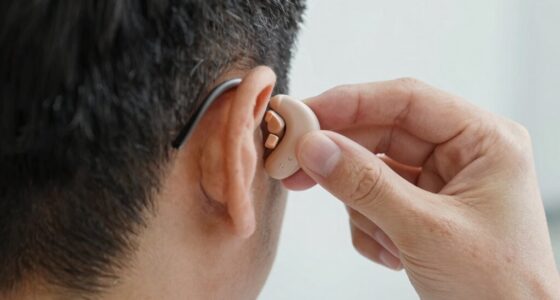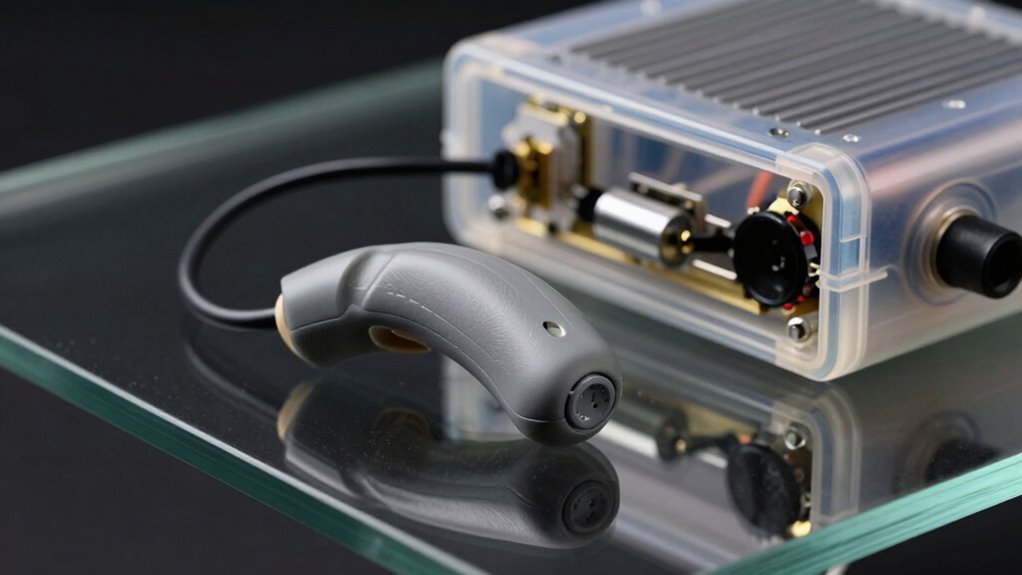

OTC hearing aids are designed specifically for those with mild to moderate hearing loss and include advanced digital features to improve speech clarity and reduce background noise, thanks to regulatory standards that guarantee safety and performance. Unlike amplifiers that simply boost all sounds equally, OTC devices can adapt to different environments and offer personalized settings, often via smartphone apps. If you want to discover how these devices truly differ and what benefits they offer, keep exploring further.

Get oils, diffusers and self-care delivered free with Prime
- Fast, free delivery on millions of items
- Prime Video, Amazon Music and more included
- Member-only deals all year
Key Takeaways
- OTC hearing aids are regulated for safety and performance, unlike minimally regulated amplifiers.
- They feature advanced digital processing to distinguish speech from background noise.
- OTC devices adapt to different listening environments, providing environment-specific customization.
- Amplifiers boost all sounds equally without adaptive features or noise reduction.
- OTC hearing aids are designed for mild to moderate hearing loss and offer user-friendly controls or apps.
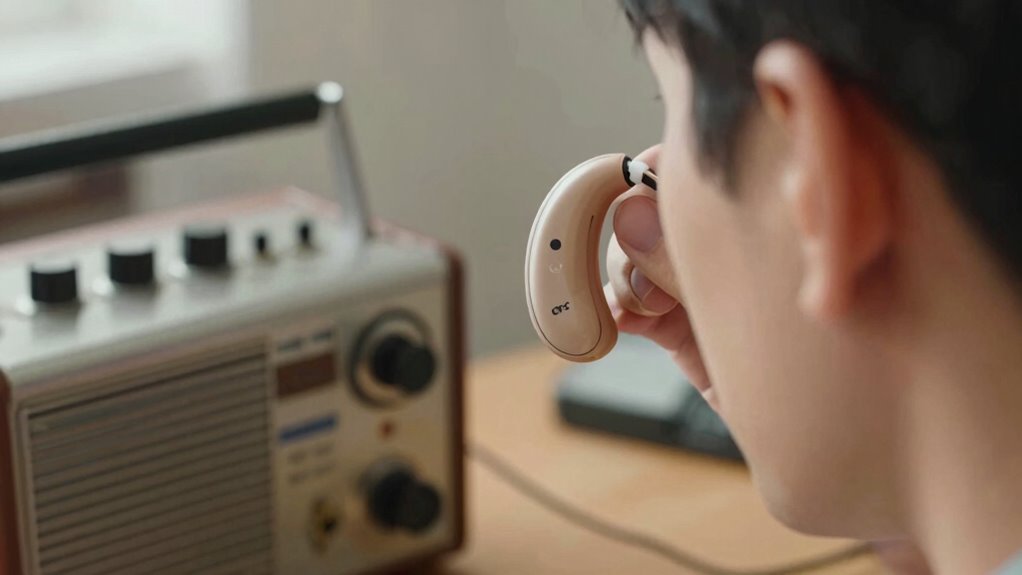
If you’re considering ways to improve your hearing, it’s important to understand the difference between OTC hearing aids and amplifiers. While both aim to enhance sounds, they serve different purposes and are built with distinct features. OTC hearing aids are designed specifically for people with mild to moderate hearing loss. They incorporate advanced technological features that allow for better sound processing, noise reduction, and customization to your specific hearing needs. These devices are often small, discreet, and easy to use, offering a more tailored hearing experience than simple amplifiers.
Technological advancements play a significant role in differentiating OTC hearing aids from basic amplifiers. Modern OTC devices include digital signal processing, which helps distinguish speech from background noise, making conversations clearer. They often come with user-friendly controls or smartphone apps that allow you to fine-tune settings easily. This level of sophistication gives OTC hearing aids an edge over amplifiers, which typically just boost all sounds indiscriminately. Amplifiers lack the smart features that adapt to different environments, which means they can sometimes make background noise louder and less pleasant. Additionally, OTC hearing aids are subject to regulatory oversight, ensuring they meet certain safety and performance standards, unlike most amplifiers which are minimally regulated.
Furthermore, the safety standards required for OTC hearing aids help ensure that users are less likely to experience discomfort or potential harm from improper use. The adherence to these standards also supports ongoing product reliability, giving users greater confidence in their devices.
FDA registered OTC hearing aids for mild to moderate hearing loss
As an affiliate, we earn on qualifying purchases.
As an affiliate, we earn on qualifying purchases.
Frequently Asked Questions
Are OTC Hearing Aids Regulated by Any Government Authority?
Yes, OTC hearing aids are regulated by government oversight to guarantee safety and effectiveness. They must meet specific regulation standards set by authorities like the FDA, which monitors their safety, labeling, and manufacturing. This regulation helps you trust that OTC hearing aids are tested and approved for consumer use. Unlike amplifiers, which lack such oversight, OTC hearing aids are subject to these standards, giving you confidence in their quality and performance.
Can OTC Devices Fully Replace Professional Hearing Assessments?
While OTC devices can deliver some degree of assistance, they can’t fully replace professional hearing assessments. You might find consumer satisfaction fluctuates because of individual needs, and technological advancements are continually improving OTC options. However, personalized, precise diagnoses from professionals ensure ideal hearing health. Relying solely on OTC devices risks overlooking underlying issues, so consulting specialists remains essential for thorough care and accurate adjustments.
Do OTC Hearing Aids Require Any Customization for Individual Hearing Loss?
OTC hearing aids typically don’t require extensive customization for individual hearing loss, but some models offer basic adjustments. You may need personalized fitting to address your hearing loss specifics, especially if your needs are complex. While they’re designed for general use, consulting a professional can help guarantee the device matches your hearing profile accurately. For ideal results, consider hearing tests and adjustments tailored to your hearing loss specifics.
How Long Do OTC Hearing Aids Typically Last Before Needing Replacement?
OTC hearing aids typically last between 3 to 5 years, but durability concerns and battery lifespan can affect this. You should expect the batteries to need replacement every 7 to 10 days, depending on usage. Proper care, like keeping them dry and cleaning regularly, can extend their life. Ultimately, investing in quality models and following maintenance tips helps guarantee your OTC hearing aids remain effective longer.
Are OTC Hearing Aids Suitable for Severe Hearing Loss Cases?
Think of OTC hearing aids as a sturdy flashlight for moderate hearing needs, but they might not shine brightly enough for severe cases. If your hearing loss is severe, these devices often lack the power and specialized features needed for ideal hearing clarity. While OTC aids can be durable, their device durability and effectiveness are limited for severe loss. For clearer sound and better support, consulting a professional for tailored solutions is recommended.
Conclusion
In conclusion, OTC hearing aids are designed specifically for those with mild to moderate hearing loss, offering tailored features and better sound quality than simple amplifiers. Did you know that over 48 million Americans experience some degree of hearing loss? Choosing an OTC hearing aid over an amplifier means you’re investing in technology built for clarity and comfort, making a real difference in your daily life. Don’t settle for less—your hearing deserves the best.
Halloween Picks
halloween
As an affiliate, we earn on qualifying purchases.