
Earwax exists to protect your ears from dirt, dust, bacteria, and infections, acting as a vital part of your natural defense system. It forms a barrier that prevents unwanted particles from reaching the inner ear while helping to keep your ear canal clean through a gentle, self-cleaning process. Overly aggressive cleaning can disrupt this balance, causing discomfort or blockage. If you’d like to discover how to care for your ears safely, keep exploring to find out more.

Get oils, diffusers and self-care delivered free with Prime
- Fast, free delivery on millions of items
- Prime Video, Amazon Music and more included
- Member-only deals all year
Key Takeaways
- Earwax protects the ear canal from dirt, dust, bacteria, and infections.
- It acts as a natural barrier to prevent unwanted particles from reaching the inner ear.
- Earwax helps maintain ear health by supporting the body’s immune defense system.
- It facilitates natural cleaning by migrating toward the ear opening, removing debris.
- Proper earwax regulation prevents blockages, discomfort, and potential ear infections.
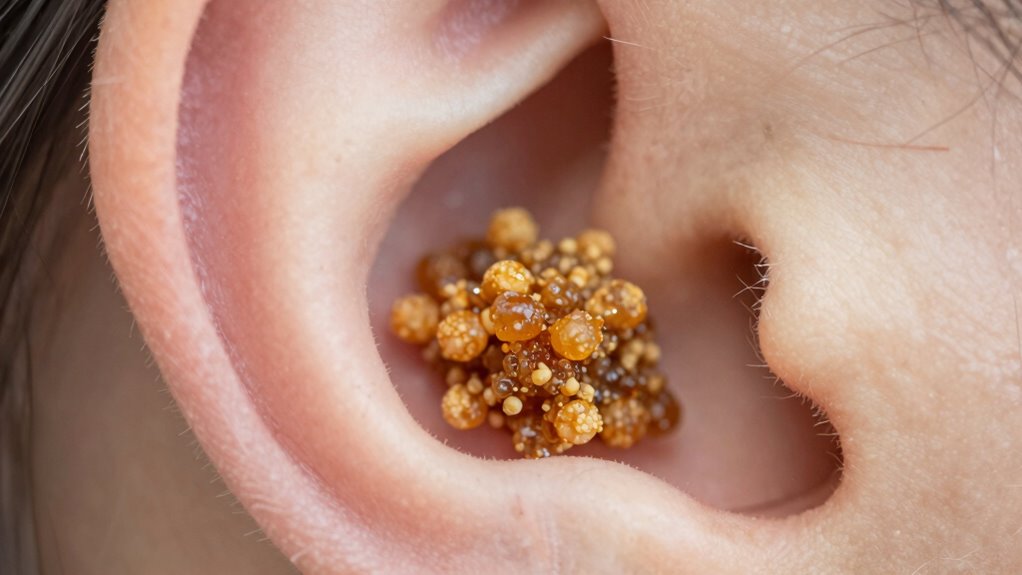
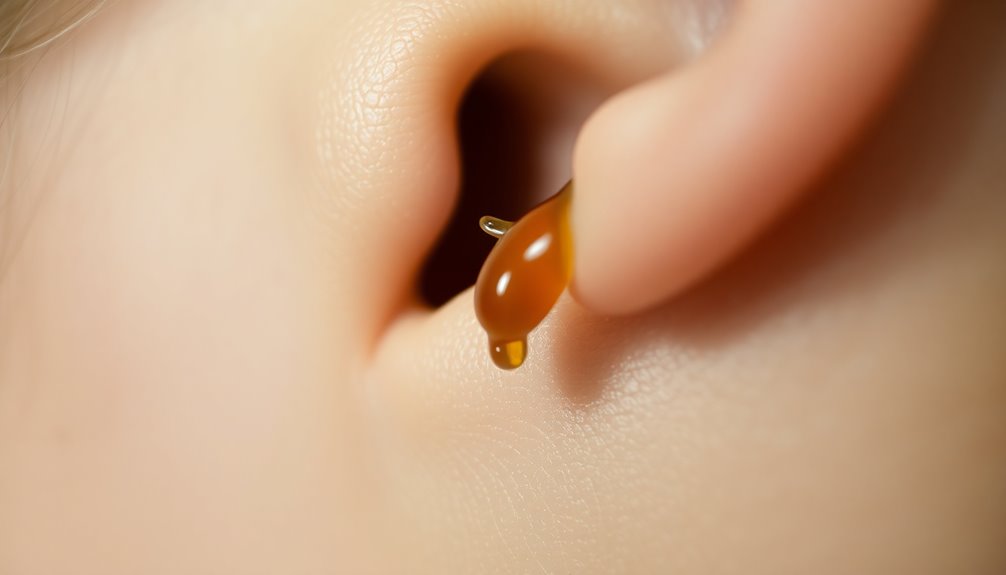
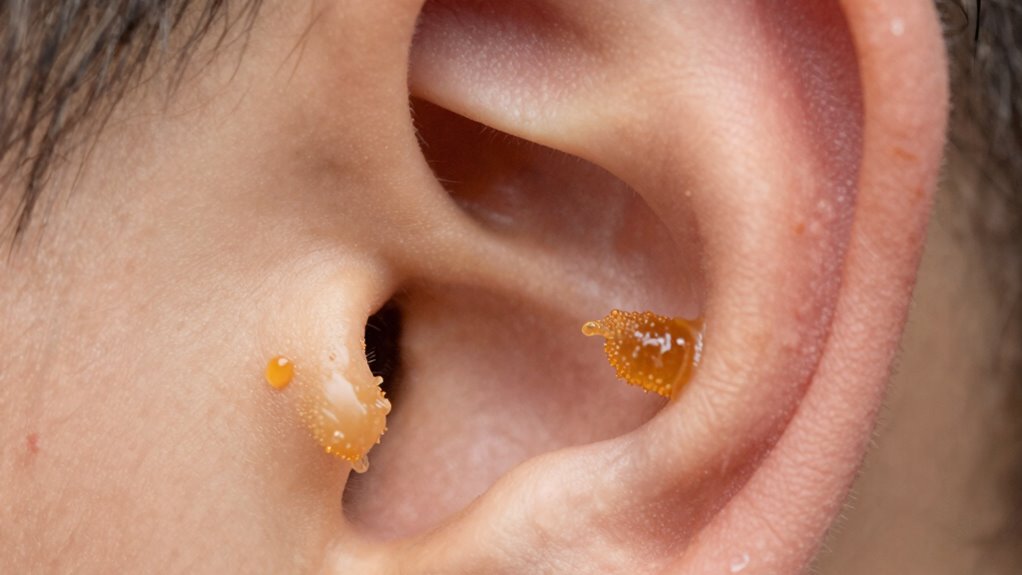
Your ears produce earwax, also known as cerumen, for a crucial reason: it protects your ear canal from dirt, dust, and bacteria. This natural substance acts as a barrier, trapping unwanted particles before they can reach the sensitive parts of your inner ear. By doing so, earwax provides essential auditory protection, preventing infections and damage that could impair your hearing. Rather than viewing it as a nuisance, understanding that earwax is part of your body’s defense system helps you appreciate its role in maintaining ear health.
The presence of earwax also plays a part in ear canal cleaning. As you move your jaw, talk, or chew, the earwax gradually migrates toward the opening of your ear. This process pushes debris and dead skin cells out of the ear naturally, reducing the need for frequent cleaning. It’s a self-cleaning mechanism that keeps your ears clear without your intervention. When you try to remove earwax aggressively or insert objects into your ear canal, you risk disrupting this natural process. Instead, gentle cleaning of the outer ear with a damp cloth is sufficient to maintain hygiene, allowing the ear’s own methods to handle earwax removal. Additionally, earwax formation is carefully regulated by your body to prevent excess buildup. Your body produces just enough earwax to serve its protective functions. Excessive removal, especially with cotton swabs or other objects, can push wax deeper into the ear, leading to impaction or blockages. Such blockages can cause discomfort, muffled hearing, or even infections if left untreated. It’s important to understand how earwax production is controlled by your body to avoid unnecessary interference. This regulation also involves natural migration, which helps prevent overaccumulation. The body’s ability to regulate earwax ensures that only the necessary amount is produced and maintained, supporting overall ear health. Recognizing that earwax is part of a natural defense system can help you approach ear care more safely and effectively. Keeping this in mind, it’s best to leave earwax undisturbed unless it causes problems or your healthcare provider advises otherwise. When necessary, professional ear canal cleaning can safely remove excess wax without harming your ear.
As an affiliate, we earn on qualifying purchases.
Frequently Asked Questions
Can Earwax Removal Cause Hearing Loss?
Yes, improper earwax removal can cause hearing loss. When you attempt to remove earwax aggressively or insert objects into your ears, you risk pushing wax further in or damaging your ear canal and eardrum. This can block sound transmission and harm your hearing health. To avoid this, use safe methods like ear drops or consult a professional for earwax removal, ensuring your ears stay healthy and hearing stays clear.
Is Earwax Buildup a Sign of an Infection?
Ironically, wax buildup often feels like your ears are trying to tell you something’s wrong, but it’s usually just a sign of natural ear cleaning. However, earwax infection can occur if bacteria get trapped behind excessive wax, leading to discomfort. While not always an infection, persistent wax buildup that causes pain, itching, or discharge might indicate a problem needing medical attention to prevent complications.
How Often Should I Clean My Ears?
You should clean your ears only when necessary, typically once a week or less, to maintain good ear canal hygiene. Over-cleaning can remove essential earwax, which varies in diversity and helps protect your ears. Use gentle methods, like a damp cloth or ear drops, and avoid inserting objects. Remember, your ears are self-cleaning, so minimal intervention keeps your ear canal healthy without disrupting the natural balance.
Does Earwax Have Medical Benefits?
Think of earwax as a natural shield, a guardian built from a mix of oils, dead skin cells, and tiny hairs. Its composition varies from person to person, adapting like a chameleon to your ear’s needs. This variability makes earwax a clever protector, trapping dust and microbes, preventing infection, and even moisturizing your ear canal. So yes, earwax does have important medical benefits, acting as your ears’ first line of defense.
Are There Natural Ways to Prevent Earwax Buildup?
Yes, there are natural remedies for earwax prevention. You can gently clean your ears with a soft cloth, avoiding cotton swabs that push wax deeper. Regularly using warm drops of olive or mineral oil can help loosen excess wax, reducing buildup. Maintaining good ear hygiene and avoiding excessive cleaning also support natural earwax regulation. These methods promote earwax prevention while keeping your ears healthy and clear.
Conclusion
So, next time you think about cleaning your ears, remember there’s more at stake than you realize. That wax isn’t just debris—it’s an essential protector, a shield your body intentionally creates. But what happens if you remove it too often? The answers might surprise you, and the risks could be greater than you expect. Your ears hold secrets worth uncovering—are you ready to explore what’s truly hiding beneath the surface?
Halloween Picks
halloween
As an affiliate, we earn on qualifying purchases.