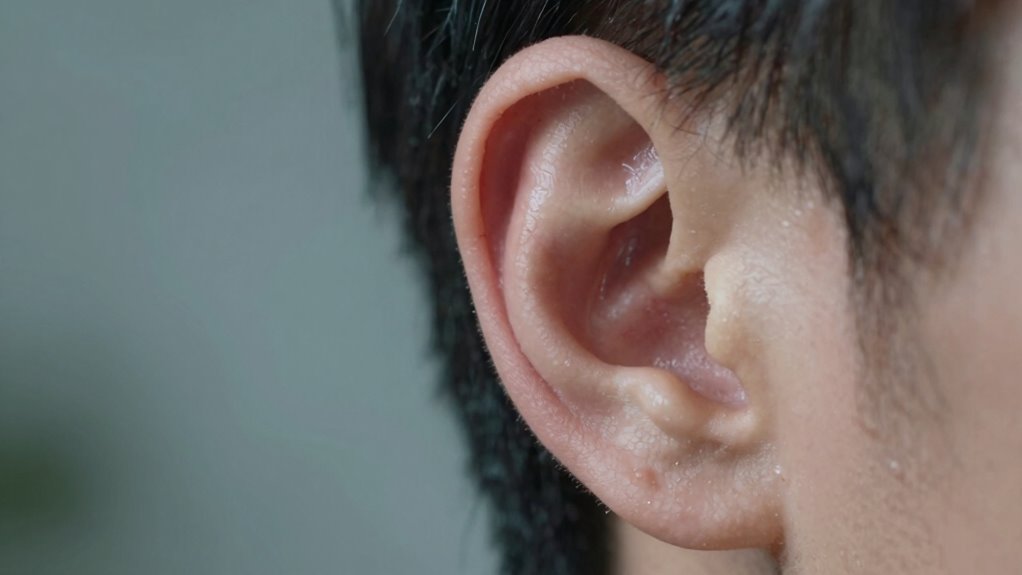
When your ear pressure changes, it affects how you perceive sound. If the pressure isn’t balanced, sounds can seem muffled, distant, or distorted. You might feel like everything is underwater or overly loud. This happens because pressure shifts alter how sound waves travel through your ear’s structures, affecting the transmission from your eardrum to your inner ear. Understanding these effects can help you learn effective ways to manage discomfort and improve your hearing experience.

Get oils, diffusers and self-care delivered free with Prime
- Fast, free delivery on millions of items
- Prime Video, Amazon Music and more included
- Member-only deals all year
Key Takeaways
- Changes in ear pressure can cause sounds to seem muffled or distant due to altered vibration transmission.
- Elevated pressure may make sounds feel overly loud or distorted as the ear’s ability to filter noise is affected.
- Negative pressure can create a sensation of fullness, making sounds seem dull or blocked.
- Rapid pressure shifts can lead to “ear pop” sensations, temporarily changing how sounds are perceived.
- Imbalanced pressure disrupts normal sound conduction, causing perception of sounds as underwater-like or muffled.
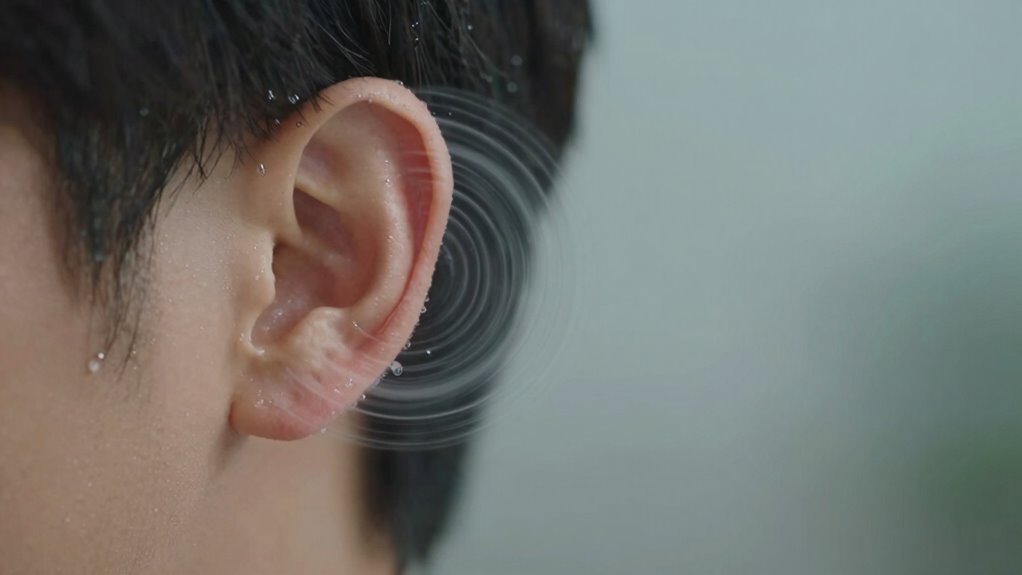
Have you ever noticed how your hearing shifts during a flight or when diving underwater? That change isn’t just in your head—your inner ear mechanics play a key role in how your auditory perception adapts to different pressures. When you ascend or descend, the air pressure outside your body changes rapidly, but your body works to keep that pressure balanced inside your ears. This balancing act impacts how sound travels through your ear, making your hearing feel different depending on the situation.
Your inner ear contains a tiny, complex system of chambers and tubes that regulate pressure and assist in balance. The Eustachian tube, which connects your middle ear to your throat, acts like a pressure valve. When it opens, it allows air to flow into or out of your middle ear, equalizing the pressure. If this process doesn’t happen quickly enough—like during rapid altitude changes—you’ll notice a sensation of fullness or muffling. This altered pressure affects your auditory perception because sound waves can’t travel through the ear as efficiently when the pressure isn’t balanced. You might feel as if everything sounds distant, muffled, or oddly distorted.
Your Eustachian tube balances ear pressure, preventing muffled sounds during altitude changes or underwater dives.
During a flight, as you climb higher, the external air pressure drops. Your body responds by trying to equalize the pressure inside your ears to match the outside environment. If the Eustachian tube doesn’t open properly or quickly enough, you’ll experience that familiar “ear pop” sensation—an attempt to restore balance. Conversely, when you descend underwater, the increasing pressure pushes inward, making your ears feel tight or blocked. This pressure difference can make sounds seem dull or overly loud, depending on how well your ear adjusts.
Your auditory perception is directly affected by these pressure shifts because sound relies on the movement of air and fluid within your ear structures. When pressure isn’t balanced, the vibration transmission from the eardrum to the inner ear becomes less efficient. This results in sounds feeling muted, distorted, or even painful at times. The inner ear mechanics are delicate but essential—they ensure that your sense of hearing remains accurate despite external pressure changes. When they aren’t functioning properly, your perception of sound can become skewed, making it feel like you’re hearing through a fog or underwater. Additionally, pressure regulation within the ear plays a vital role in preventing discomfort and maintaining hearing clarity during rapid altitude or depth changes. Proper ear equalization techniques can help mitigate these effects and prevent discomfort.
Furthermore, understanding the inner ear mechanics can help in developing better treatments for ear-related discomforts caused by pressure differences. Recognizing the importance of pressure equalization can lead to improved assistive devices that support hearing in environments with fluctuating pressures. Additionally, effective ventilation techniques can alleviate some of these pressure-related issues, ensuring your ears stay comfortable and your hearing remains clear.
In essence, your ears are constantly working behind the scenes to keep your auditory perception consistent. Changes in ear pressure influence how sound waves are processed, and understanding this interplay helps explain why your hearing feels different in high- or low-pressure environments. So, next time your ears “pop” during a flight or dive, remember it’s your inner ear mechanics working to keep your perception steady, even when external conditions aren’t.
As an affiliate, we earn on qualifying purchases.
Frequently Asked Questions
Can Ear Pressure Affect Only Certain Frequencies of Sound?
Yes, ear pressure can affect certain frequencies more than others, impacting your frequency sensitivity. When pressure changes, it can cause sound distortion, especially for higher or lower pitches. You might notice some sounds become muffled or distorted, making specific frequencies harder to hear clearly. This selective effect happens because pressure shifts influence how your eardrum and inner ear respond to different sound waves, altering your perception of certain frequencies.
How Quickly Does Ear Pressure Typically Change During Altitude Shifts?
Imagine your ears adjusting like a tightrope walker balancing high above. During altitude shifts, your ear pressure changes quickly—often within minutes—as your body engages in altitude adaptation and pressure regulation. Your Eustachian tubes work tirelessly, equalizing pressure with each change in elevation. This rapid response helps prevent discomfort, allowing your ears to adapt seamlessly to new heights, whether you’re ascending a mountain or flying in an airplane.
Does Ear Pressure Influence How We Perceive Speech Clarity?
Yes, ear pressure can influence how you perceive speech clarity. When your ear canal experiences pressure changes, it affects auditory perception by altering how sound waves reach your eardrum. This can cause muffled sounds or difficulty distinguishing speech. As pressure varies, your ears may struggle to transmit sound accurately, making speech seem less clear. Equalizing ear pressure helps restore normal auditory perception, improving speech comprehension.
Can Ear Pressure Differences Cause Temporary Hearing Loss?
Yes, ear pressure differences can cause temporary hearing loss. When you experience a pressure imbalance, it often leads to ear barotrauma, which affects your eardrum’s function. This imbalance can block sound transmission, making sounds seem muffled or distant. Usually, equalizing ear pressure through yawning, swallowing, or using decongestants restores normal hearing. However, persistent pressure imbalance might require medical attention to prevent lasting damage.
Are There Specific Activities That Worsen Ear Pressure Effects on Sound?
Certain activities, like flying or diving, can worsen ear pressure effects on sound. You might find yawning relief helpful, as it opens your Eustachian tube, balancing pressure. Swallowing techniques, such as sipping water or chewing gum, also assist in equalizing ear pressure. Avoid activities like rapid head movements or sudden altitude changes when your ears feel blocked, as they can intensify pressure differences and distort sound perception.
Conclusion
As your ear pressure fluctuates, your perception of sound shifts unexpectedly, almost like the universe aligning in a quiet coincidence. One moment, everything feels clear; the next, muffled or distorted. It’s as if your ears are whispering secrets, reminding you how delicate and interconnected your senses truly are. So, next time your ears change pressure, embrace the subtle dance of sound—because in those fleeting moments, you’re reminded how remarkably your body responds to the world around you.
Fall Picks
fall essentials
As an affiliate, we earn on qualifying purchases.