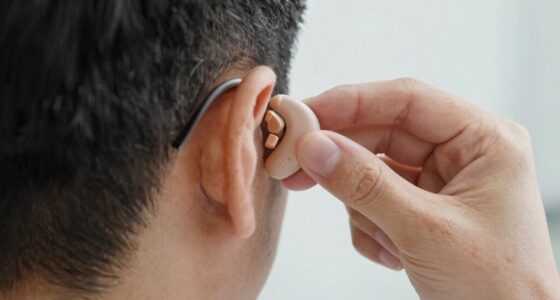
Masking devices temporarily hide tinnitus sounds with more tolerable noise, but they don’t address the underlying causes of your condition. While they can provide short-term relief, your brain still perceives tinnitus, and emotional reactions like frustration or anxiety can continue. True treatment involves modifying how your brain interprets these sounds, which may include therapies like CBT or TRT. If you want to understand how to manage tinnitus long-term, there’s more to discover beyond masking.

Get oils, diffusers and self-care delivered free — and shop member deals
- Fast, free delivery on millions of items
- Access to Prime Big Deal Days deals on October 6–7
- Prime Video, Amazon Music and more included
Key Takeaways
- Masking devices temporarily hide tinnitus sounds with external noise but do not address the underlying causes.
- Masking only alters auditory perception without changing brain processing or emotional response.
- True treatment aims to reframe or reinterpret tinnitus, reducing its psychological and emotional impact.
- Relying solely on masking can lead to frustration and emotional distress without long-term relief.
- Effective management includes therapies like CBT or TRT that modify perception and emotional reactions.
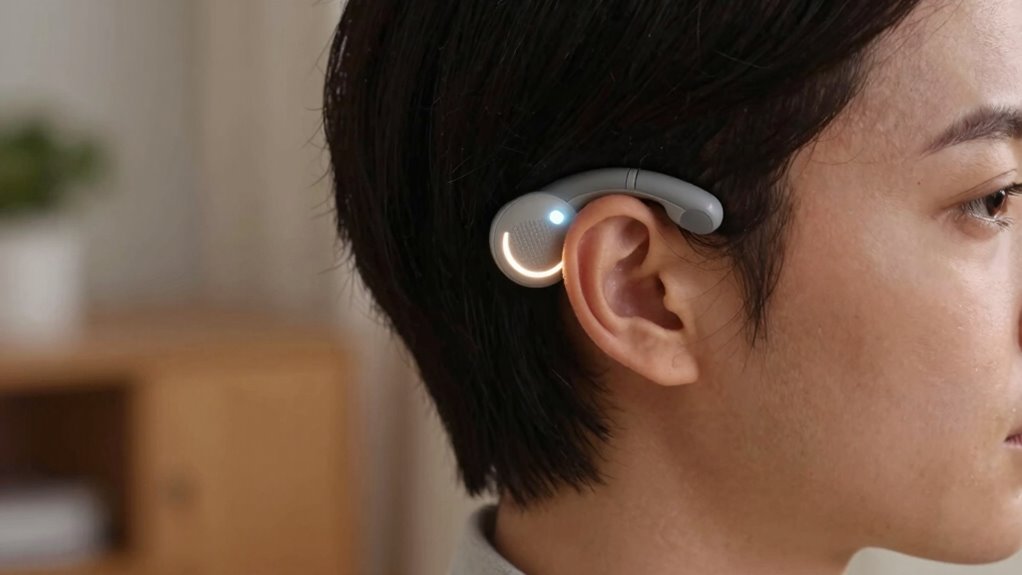
Many people turn to tinnitus devices hoping to find relief, but not all solutions are created equal. When you use a masking device, you’re fundamentally trying to cover up the ringing or buzzing sounds with a more tolerable noise. While this might provide temporary relief, it doesn’t address the underlying causes of tinnitus. Instead, it merely alters your auditory perception, making the intrusive sounds less noticeable. Masking devices work by introducing white noise, nature sounds, or other soothing noises that blend with your tinnitus, but your brain still perceives the original sound in the background. This means the emotional impact of tinnitus—such as frustration, anxiety, or depression—remains largely unaltered because the root issue isn’t truly being treated.
Understanding auditory perception is vital here. Tinnitus isn’t just about hearing a sound; it’s a complex neurological process involving how your brain interprets signals from your auditory system. Masking can reduce awareness temporarily, but it doesn’t change how your brain processes these signals long-term. If anything, relying solely on masking can sometimes increase frustration because you’re constantly battling the perception rather than resolving it. The emotional toll can be significant, especially if you feel trapped in a cycle of masking and relief that’s only superficial.
True treatment, however, goes beyond just covering up symptoms. It aims to modify your auditory perception and help your brain reframe or reinterpret the sounds. Techniques like cognitive-behavioral therapy or tinnitus retraining therapy are designed to reduce the emotional impact by changing how you emotionally respond to tinnitus. These approaches recognize that tinnitus isn’t just an auditory issue but also a psychological challenge. When your emotional response diminishes, the perceived severity of the sound often lessens, making it easier to live with. Additionally, understanding the role of auditory perception can guide more effective, long-term management strategies.
Tinnitus masking sound therapy device
As an affiliate, we earn on qualifying purchases.
As an affiliate, we earn on qualifying purchases.
Frequently Asked Questions
Can Masking Devices Completely Eliminate Tinnitus Sounds Permanently?
Masking devices can’t completely eliminate tinnitus sounds permanently. They provide temporary relief by covering the noise, but for long-term management, sound therapy and cognitive strategies are more effective. These approaches help you adapt to the tinnitus, reducing its impact over time. While masking offers quick relief, combining it with behavioral techniques can lead to better, lasting relief, making tinnitus less intrusive in your daily life.
Are There Side Effects Associated With Using Tinnitus Masking Devices?
You might experience some side effects with tinnitus masking devices, like skin irritation or discomfort, especially if the device isn’t comfortable or fits poorly. While these issues can be bothersome, they’re usually minor and temporary. However, ensuring a proper fit and choosing a device designed for comfort helps minimize side effects. If irritation persists, consult your audiologist to find a better solution or alternative device.
How Long Does It Typically Take to See Improvement With Treatment?
You might start noticing improvements within a few weeks of consistent treatment, but it varies. Incorporate auditory training and seek psychological support to enhance your progress. These approaches help your brain adapt and reduce the perception of tinnitus. Stay patient and committed—improvement often depends on your dedication and the severity of your tinnitus. Regular use and combined therapies can accelerate your journey toward relief.
Do Tinnitus Devices Work Equally Well for All Types of Tinnitus?
Think of tinnitus devices as keys, but not every key opens the same door. They don’t work equally well for all types because underlying causes vary, and device customization is essential. If your tinnitus stems from hearing loss, certain devices might help more. For other causes, different approaches suit better. You need a tailored solution, so working with a specialist guarantees you find the right device to address your specific type effectively.
Are There Any Lifestyle Changes That Can Enhance Treatment Effectiveness?
Yes, lifestyle changes can boost your tinnitus treatment. You should consider diet adjustments that reduce caffeine and salt intake, which may lessen tinnitus symptoms. Stress management is also essential—practicing relaxation techniques like meditation or yoga can help lower stress levels, making treatments more effective. Regular exercise and avoiding loud noises further support your efforts. These small changes can considerably improve your overall well-being and enhance the benefits of your tinnitus management plan.
Conclusion
Remember, tinnitus masking is like putting a bright flashlight over a flickering candle—temporary relief, but not a true fix. To truly silence the storm inside your ears, you need targeted treatment that tackles the root cause. Think of it as planting a sturdy tree instead of just covering up the weeds. Don’t settle for mere shadows—seek real solutions that bring lasting peace, turning down the volume on tinnitus’s relentless echo.
Halloween Picks
halloween
As an affiliate, we earn on qualifying purchases.