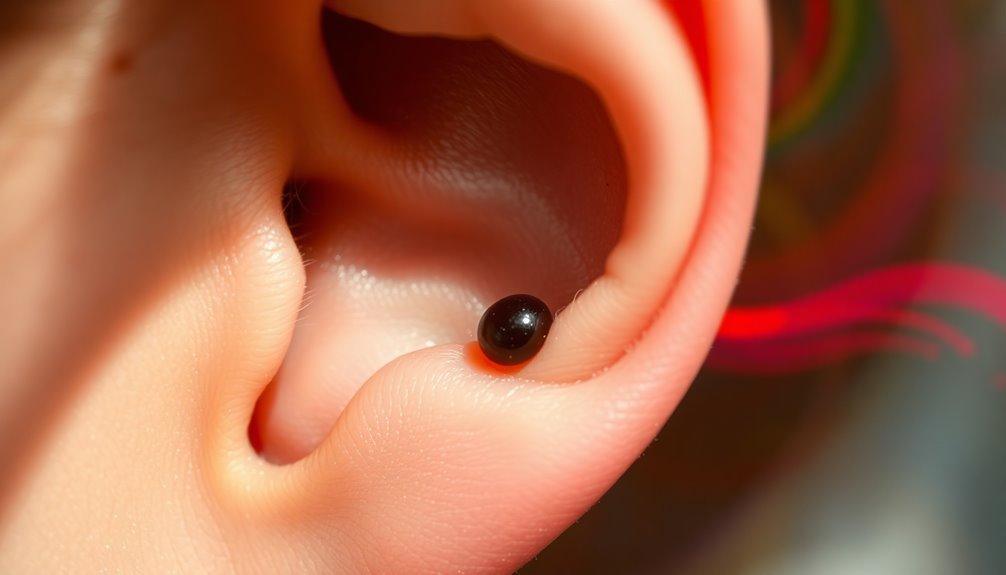
Muffled hearing usually means your ability to hear sounds clearly is reduced, often because of factors like earwax buildup, infections, or fluid trapped in the ear. Changes in pressure, allergies, or sinus issues can also cause this sensation. Sometimes, it’s temporary, but persistent muffling might indicate a more serious problem. If you keep experiencing this, understanding the causes can help you find relief and prevent further issues. Keep exploring to learn more about what could be behind your symptoms.

Get oils, diffusers and self-care delivered free with Prime
- Fast, free delivery on millions of items
- Prime Video, Amazon Music and more included
- Member-only deals all year
Key Takeaways
- Muffled hearing often indicates earwax buildup blocking sound transmission.
- Ear infections or fluid inside the ear can cause muffling and decreased sound clarity.
- Allergies or sinus issues may lead to swelling and pressure, resulting in muffled hearing.
- Changes in altitude or Eustachian tube dysfunction can disrupt ear pressure, causing muffling.
- Persistent muffled hearing alongside other symptoms may signal a serious ear health issue requiring medical attention.

Have you ever experienced hearing something but feeling like your ears are blocked or the sound is muffled? That sensation is common and can be caused by various issues affecting your ears. One of the most frequent reasons is earwax buildup. When your ears produce too much wax or don’t clear it properly, the wax can accumulate and create a barrier that muffles sounds. It’s your body’s way of protecting the ear canal, but when it becomes excessive, it can interfere with your hearing. Sometimes, you might notice a feeling of fullness or slight pressure along with the muffled sound, which indicates that the wax is pressing against the eardrum.
Feeling like your ears are blocked or muffled? Earwax buildup is a common cause that can interfere with your hearing.
Another common cause of muffled hearing is ear infections. These infections, often caused by bacteria or viruses, lead to inflammation and fluid buildup inside the ear. The middle ear, behind the eardrum, can become swollen, disrupting the normal transmission of sound waves. When the middle ear is infected, you might also experience pain, a feeling of fullness, or even dizziness. The presence of fluid and swelling acts like a blockade, preventing sound from reaching your inner ear properly, resulting in that muffled or distant hearing sensation. Infections and fluid buildup can also cause temporary hearing loss.
It’s important to recognize that muffled hearing isn’t always due to earwax or infections. Allergies, colds, or sinus issues can also cause swelling and congestion, which block the ear’s natural pathways. Sinus pressure can put pressure on your eustachian tube, the small passage that helps equalize pressure in your ear, leading to a feeling of fullness and muffled sounds. Even changes in altitude, like flying or driving through mountains, can temporarily cause similar symptoms as your ears struggle to equalize pressure. Additionally, eustachian tube dysfunction can contribute to persistent muffling and should be evaluated if symptoms continue.
In some cases, underlying ear health issues may need to be addressed to restore normal hearing and prevent further complications. If you’re experiencing persistent muffled hearing, it’s essential to pay attention to other accompanying symptoms, such as pain, dizziness, or discharge from the ear. These signs can point to more serious issues, like infections or damage to your ear canal or eardrum, which may require medical attention. It’s also worth noting that earwax removal methods at home can sometimes cause further complications if not done carefully. Avoid trying to remove earwax yourself with cotton swabs or other objects, as this can push the wax further in or cause injury. Instead, consult a healthcare professional who can safely remove excess wax or diagnose an infection.
As an affiliate, we earn on qualifying purchases.
Frequently Asked Questions
Can Muffled Hearing Be Temporary or Permanent?
Muffled hearing can be temporary or permanent depending on the cause. Usually, it’s temporary and results from ear blockage, like earwax buildup or fluid, which can be easily removed or cleared. However, if hearing loss is caused by damage to the inner ear or nerve issues, it may be permanent. You should see a healthcare professional promptly to determine the cause and get appropriate treatment to prevent further hearing loss.
What Are the Common Causes of Muffled Hearing?
Imagine your ear as a tiny tunnel, and something blocks its path. Common causes of muffled hearing include earwax buildup, which acts like a sticky plug, and sinus congestion, like fog clouding your view. These obstructions prevent sound waves from reaching your eardrum clearly. Recognizing these causes helps you understand why your hearing feels cloudy and guides you toward effective relief, whether through cleaning or managing congestion.
How Is Muffled Hearing Diagnosed by Doctors?
Doctors diagnose muffled hearing through a thorough examination, starting with checking for ear pressure issues and ear canal obstructions. They often perform hearing tests, like audiograms, to assess your hearing ability more precisely. During the exam, they might also look inside your ear with an otoscope to identify any blockages, infections, or damage. These steps help determine the cause of muffled hearing and guide appropriate treatment.
Are There Home Remedies for Muffled Hearing?
Think of your ear as a garden; keeping it healthy requires proper ear hygiene. While natural remedies like warm olive oil drops may help loosen earwax, avoid inserting anything deep. Gentle steam inhalation can also soothe congestion, but if muffled hearing persists, see a doctor. Remember, maintaining good ear hygiene and avoiding loud noises protect your hearing, and natural remedies can support, but not replace, professional care.
When Should I See a Specialist for Muffled Hearing?
You should see a specialist if muffled hearing persists, worsens, or is accompanied by pain, dizziness, or discharge. An audiologist can assess your hearing and recommend hearing aid technology if needed. If an ear infection causes your muffled hearing, prompt ear infection treatment is essential to prevent further damage. Don’t delay seeking professional help, especially if your symptoms don’t improve with home remedies or if they interfere with daily life.
Conclusion
So, next time you think your hearing’s just a little off, remember—muffled sounds might be your body’s way of saying, “Hey, I need some attention.” Ironically, what feels like a minor inconvenience could actually be a sign of something more serious. Don’t ignore it, because ignoring muffled hearing might just turn a simple warning into a costly problem. Sometimes, listening closely is the best way to avoid missing out on what really matters.
Halloween Picks
halloween
As an affiliate, we earn on qualifying purchases.