A musty smell in your home doesn’t necessarily mean mold spores are present, as odors can linger even when mold levels are low or absent, caused by VOCs from mold’s metabolic process or residual moisture. Relying solely on smell isn’t a reliable way to detect mold, since spores can be hidden or in low concentration. To really understand what’s happening, it’s important to check for mold visually or with testing—more details await if you keep exploring.
Listen free for 30 days with Audible
Thousands of audiobooks and originals — cancel anytime.
As an affiliate, we earn on qualifying purchases.
Key Takeaways
- Musty odors are caused by VOCs from mold but do not directly indicate mold spore concentration or presence.
- Mold spores can be present without producing a detectable smell, making odors an unreliable detection method.
- Lingering odors may persist after mold removal, even when spores are no longer active or visible.
- Visual inspection and testing are necessary to accurately identify mold spores, not just relying on smell.
- Ventilation and moisture control help reduce odors but do not guarantee the absence of mold spores.
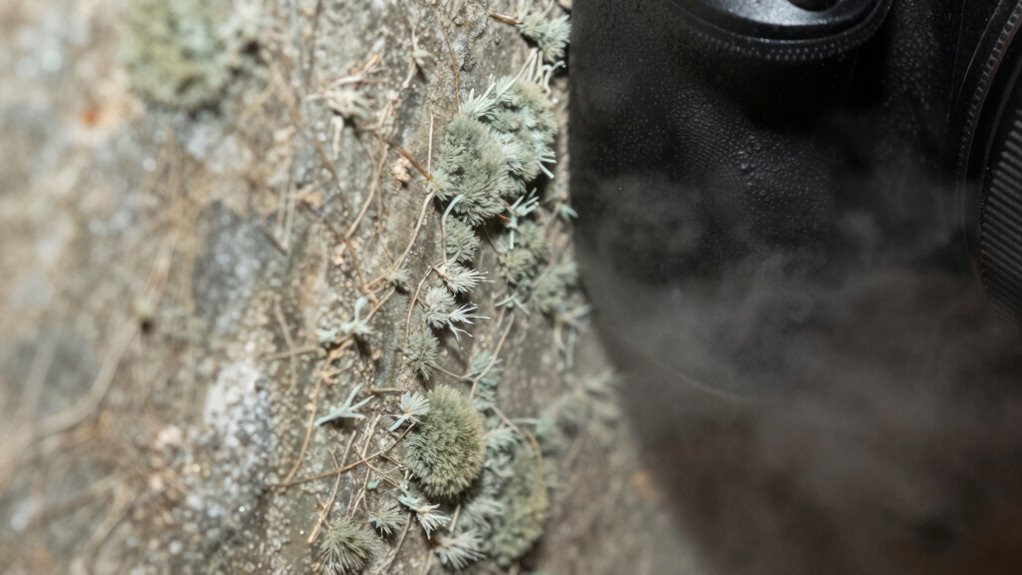
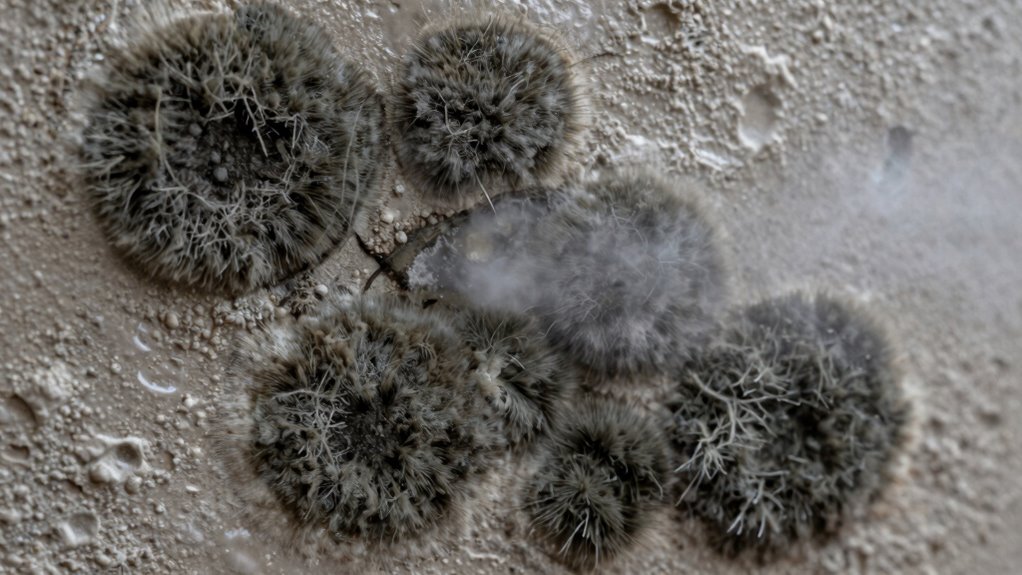
Have you ever noticed a persistent musty smell in your home and wondered if it’s just odor or something more serious? That smell often points to underlying issues with indoor air quality, which can be impacted by mold spores lurking unseen. While a musty odor can be a sign of mold growth, it doesn’t always mean mold spores are present in dangerous amounts. Many times, the smell results from excess moisture or poor ventilation, which allows mold to thrive quietly out of sight. To truly understand whether mold spores are present, you need more than just your nose; a proper assessment involves checking ventilation effectiveness and moisture levels.
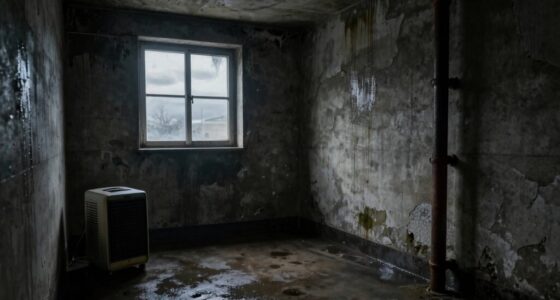
Indoor air quality plays an essential role here. When ventilation isn’t effective, stale air and humidity build up, creating the perfect environment for mold spores to settle and multiply. A damp basement, poorly ventilated bathroom, or areas with water leaks can all contribute to this problem. The musty smell is usually a byproduct of mold’s metabolic processes, releasing volatile organic compounds (VOCs) that your nose detects. But these VOCs can linger even if mold spores aren’t actively growing or are in low concentrations. So, relying solely on that smell to determine the presence of mold isn’t reliable. Instead, focusing on improving ventilation effectiveness can help reduce moisture and improve indoor air quality, making it less hospitable for mold growth.
Effective ventilation reduces moisture and odors, limiting mold growth and improving indoor air quality.
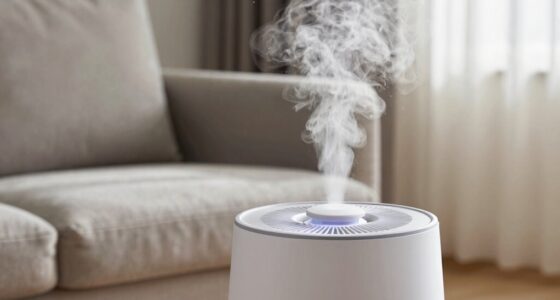
Good ventilation involves more than just opening windows; it requires proper airflow management, exhaust fans, and dehumidifiers if needed. When your home’s ventilation system works efficiently, it continuously replaces stale, humid air with fresh air, diluting mold spores and VOCs. This process minimizes musty odors and reduces the risk of mold developing into a health hazard. Remember, even if the smell dissipates, mold spores could still be lurking, especially in hidden areas like behind walls or under flooring. That’s why a thorough inspection, sometimes including air quality testing, is essential to identify whether mold spores are present at harmful levels.
In essence, a musty smell isn’t a definitive indicator of mold spores, but it’s a warning sign that indoor air quality might be compromised. Improving ventilation effectiveness isn’t just about eliminating odors; it’s about creating an environment that discourages mold growth altogether. If you’re experiencing persistent odors, consider addressing moisture problems and upgrading your ventilation system. This proactive approach helps guarantee you’re not just masking the smell but actually reducing the risk of mold exposure, which can impact your health and the integrity of your home. Proper ventilation systems can significantly reduce humidity levels and improve overall air quality, making your home less hospitable to mold growth.
As an affiliate, we earn on qualifying purchases.
Frequently Asked Questions
Can a Musty Smell Exist Without Mold Spores?
Yes, a musty smell can exist without mold spores. Odor sources like bacteria, mildew, or even certain furniture materials can affect your air quality, producing a persistent musty odor. You might notice the smell even if mold spores aren’t present or detectable, which means the odor doesn’t always indicate mold growth. To improve air quality, identify and eliminate the actual odor sources rather than assuming mold is involved.
How Long Does It Take for Mold Spores to Cause Health Issues?
Did you know mold spores can cause allergy symptoms within just 24 to 48 hours of exposure? Once mold growth begins, health issues can develop quickly, especially for sensitive individuals. Prolonged exposure increases the risk of respiratory problems and other health concerns. If you notice allergy symptoms or suspect mold, address the problem promptly to prevent worsening health effects. Acting fast can make a big difference in maintaining your well-being.
Are There Safe Ways to Eliminate Mold Spores Completely?
Yes, there are safe ways to eliminate mold spores completely. You should focus on mold prevention by fixing leaks and controlling humidity. Using air filtration systems, like HEPA filters, helps capture airborne spores and improve indoor air quality. Regular cleaning with mold-killing solutions and ensuring proper ventilation also prevent mold growth. Remember, complete removal is challenging, but these steps markedly reduce mold spores and protect your health.
Does a Musty Odor Always Indicate Hidden Mold?
A musty odor doesn’t always mean hidden mold, as it can stem from mold allergy or odor masking by other substances. You might smell a smell without seeing mold, or mold could be present but not produce a strong odor. Relying solely on odor risks overlooking hidden mold, so it’s best to conduct proper testing. Detecting mold accurately helps prevent health issues linked to mold allergy and ensures a safer environment.
Can I Rely on Home Testing Kits for Mold Detection?
You shouldn’t rely solely on home testing kits for mold detection. DIY inspections can spot obvious mold, but professional testing provides accurate results, especially for hidden spores. These experts use specialized tools to identify mold presence and types, ensuring you get a reliable assessment. Relying on professional testing is the best way to confirm whether mold is affecting your home or if further remediation is needed.
Conclusion
Don’t assume that a musty smell means you’re dealing with mold spores. While the odor might indicate mold growth, it doesn’t guarantee spores are present or harmful. Testing is the only way to confirm if you have mold spores lurking behind the scenes. So, before you jump to conclusions based on smell alone, get a professional mold inspection. That way, you can address the real problem and breathe easier knowing the truth.
NFL season / tailgating Picks
team gear
As an affiliate, we earn on qualifying purchases.