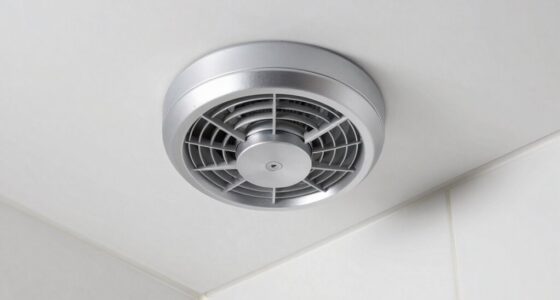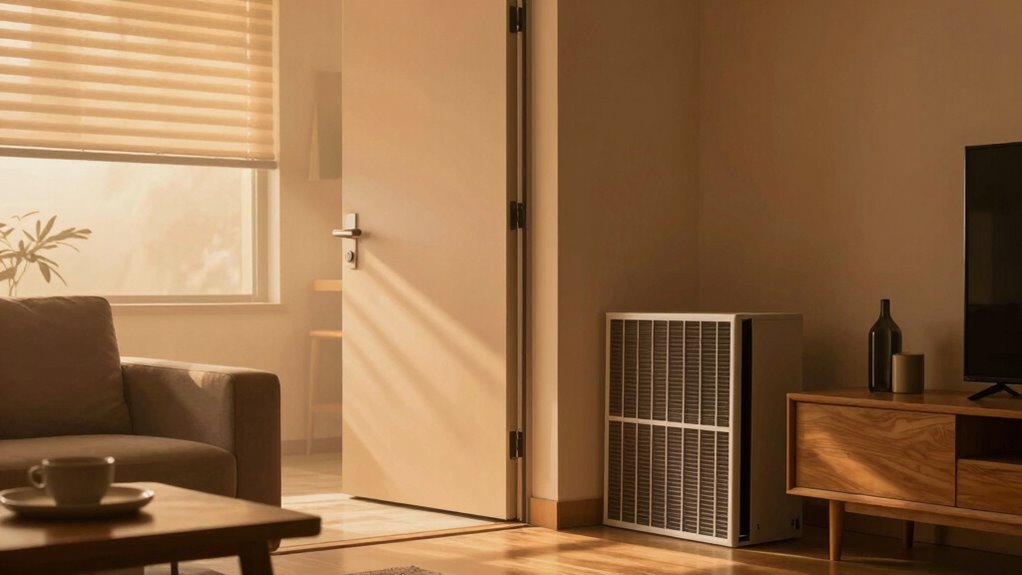
To protect your indoors from wildfire smoke, use the ‘Seal + Filter’ method. First, seal gaps around windows, doors, and vents with weatherstripping or caulking to prevent smoke from sneaking in. Then, run high-efficiency HEPA air purifiers with a high CADR to filter remaining particles and gases. Position purifiers centrally and keep them on continuously during wildfire events. If you’re interested, there’s more to make your indoor air safer and healthier.

Get oils, diffusers and self-care delivered free — and shop member deals
- Fast, free delivery on millions of items
- Access to Prime Big Deal Days deals on October 6–7
- Prime Video, Amazon Music and more included
Key Takeaways
- Sealing gaps and cracks in windows, doors, and vents prevents outdoor smoke from entering indoor spaces.
- Using high-quality HEPA filters in air purifiers effectively traps tiny wildfire smoke particles and gases.
- Combining home sealing with efficient air filtration maximizes indoor air quality during wildfire events.
- Positioning air purifiers centrally and running them continuously ensures better circulation and smoke removal.
- Regularly maintaining seals and filters enhances overall performance of the ‘Seal + Filter’ wildfire smoke mitigation strategy.

Have you ever wondered how wildfire smoke can affect the air inside your home? When smoke drifts in from outside, it doesn’t just stay near the windows or doors; it quickly infiltrates your indoor environment, impacting your indoor air quality. This is where understanding air purifier efficiency becomes vital. Not all purifiers are created equal, and selecting one with high efficiency guarantees it can effectively remove tiny particulate matter, gases, and harmful chemicals present in wildfire smoke. The goal is to reduce airborne contaminants so you can breathe easier indoors, especially during wildfire season when outdoor air quality takes a nosedive.
To maximize your indoor air quality during these times, the ‘Seal + Filter’ method is highly effective. First, you need to seal your home to prevent smoke from sneaking in through gaps and cracks. This means sealing windows, doors, vents, and any other openings with weatherstripping or caulking. The tighter your home is, the less contaminated air enters from outside, making your filtration systems more effective. Once sealed, you can focus on filtering the air that’s already inside. Using a high-quality air purifier equipped with HEPA filters is essential. These filters are designed to trap tiny particles—such as the 0.3-micron particles common in wildfire smoke—ensuring that your indoor air remains cleaner. Additionally, understanding air purifier efficiency can help you choose devices that will perform best in your space.
However, it’s not just about having a good air purifier; its efficiency is key. You want a device that can handle the volume of air in your space and has a high Clean Air Delivery Rate (CADR). A more efficient purifier will cycle out pollutants faster, markedly improving indoor air quality. Positioning the purifier in a central location helps it work more effectively by circulating and cleaning the air throughout the room. Running the purifier continuously during a wildfire event maximizes its impact, creating a cleaner breathing environment.
HEPA air purifier for wildfire smoke
As an affiliate, we earn on qualifying purchases.
As an affiliate, we earn on qualifying purchases.
Frequently Asked Questions
How Long Does Wildfire Smoke Typically Stay Indoors After a Fire?
Wildfire smoke can stay indoors for several hours to days, depending on air circulation and indoor ventilation. If you keep windows and doors sealed, smoke may linger longer, but using filters and fans can help clear it faster. Active ventilation, like running HVAC systems with high-efficiency filters, speeds up the process. Keep monitoring air quality to determine when indoor air has cleared sufficiently.
Can Houseplants Help Reduce Indoor Wildfire Smoke?
Imagine lush green leaves sipping in smoky air, but houseplants alone can’t fully clear wildfire smoke. They do provide some plant benefits by boosting indoor air quality, filtering out certain toxins, and adding humidity. However, for significant smoke reduction, rely on air purifiers and good sealing. Plants complement these methods but shouldn’t replace proper filtration. Keep them healthy to maximize their subtle, natural air-purifying effects.
Are There Specific Air Purifiers Recommended for Wildfire Smoke?
You should choose air purifier brands that specialize in wildfire smoke, like IQAir or Blueair. Look for models with HEPA filters, as they effectively trap tiny particles, and activated carbon filters to absorb harmful gases. Make sure the purifier is rated for your room size, and run it continuously during smoky conditions for the best results. Using the right filtration technologies guarantees you breathe cleaner air indoors during wildfire season.
What Are Signs of Health Issues From Indoor Wildfire Smoke?
You might notice respiratory irritation, such as coughing, sore throat, or shortness of breath, if indoor wildfire smoke affects you. Allergy symptoms like sneezing, congestion, or itchy eyes can also signal health issues. If these symptoms persist or worsen, it’s a sign you need better ventilation or air purification. Pay attention to how you feel, and consider using air filters or seeking medical advice if symptoms remain severe.
How Often Should I Replace Filters During Wildfire Season?
Think of your filters as the lungs of your air purifier—keeping them fresh is key. During wildfire season, you should replace filters every 1 to 3 months, depending on filter type and air quality. Regular filter maintenance extends your air purifier’s lifespan and guarantees it works efficiently. Check manufacturer guidelines and replace filters promptly to keep indoor air safe and clean, especially when smoke levels spike outside.
Conclusion
By sealing your home and filtering the air, you create a fortress against wildfire smoke, turning your space into a sanctuary amidst the storm. Think of it as putting on a shield that keeps harmful particles at bay, letting you breathe easier. Remember, taking these simple steps is like locking the door on danger—protecting your health and peace of mind. Stay vigilant, stay safe, and keep the wildfire smoke outside where it belongs.
Fall Picks
fall essentials
As an affiliate, we earn on qualifying purchases.