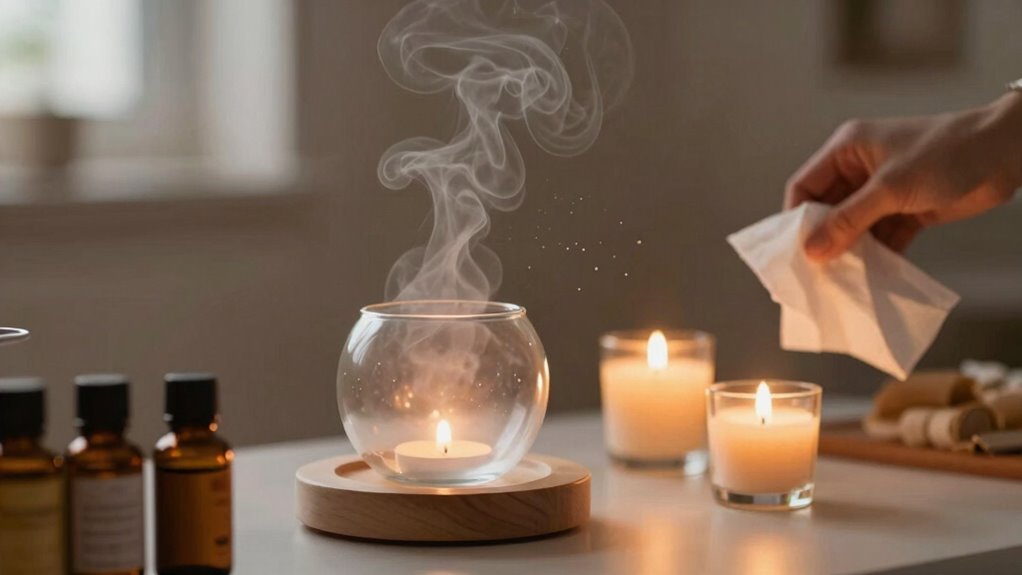

Scented products can quietly worsen your breathing because they release synthetic chemicals that irritate your respiratory system over time. These chemicals inflame your airways, causing coughing, sneezing, and chest tightness, especially if you have allergies or asthma. Constant exposure makes your lungs more sensitive, creating a cycle of increased reactivity. Choosing unscented or natural alternatives can help. If you want to discover more ways to protect your lungs, keep exploring this important information.

Get oils, diffusers and self-care delivered free — and shop member deals
- Fast, free delivery on millions of items
- Access to Prime Big Deal Days deals on October 6–7
- Prime Video, Amazon Music and more included
Key Takeaways
- Fragrance chemicals can irritate mucous membranes, leading to subtle airway inflammation over time.
- Repeated exposure to scented products may increase respiratory sensitivity and reactivity.
- Synthetic fragrances often contain irritants that cause inflammation and airway constriction.
- Sensitivity to scents can develop gradually, worsening breathing comfort without obvious immediate symptoms.
- Using scented products can trigger a cycle of increasing respiratory discomfort and heightened sensitivity.
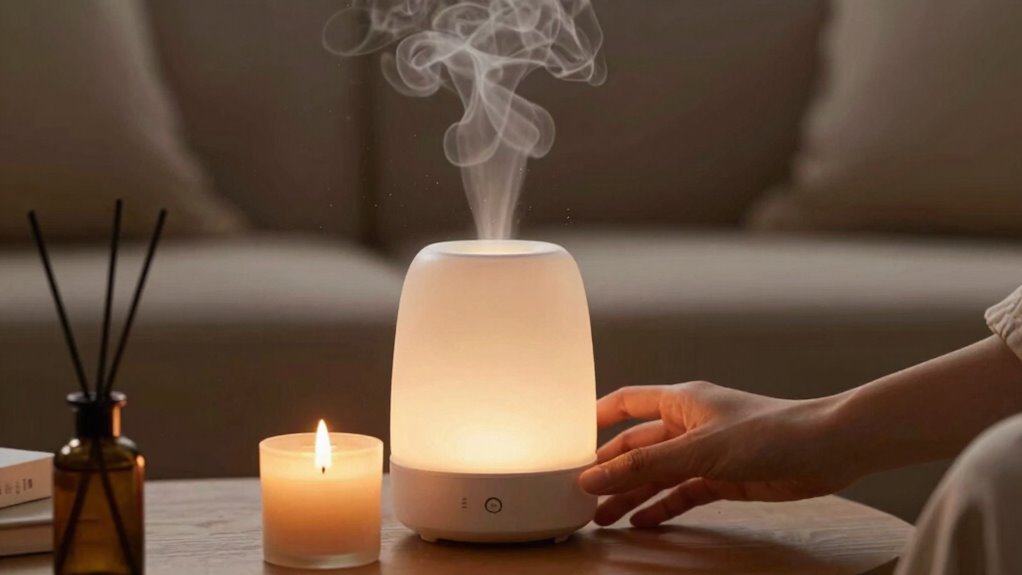
Have you ever wondered how the scented products you use daily might affect your breathing? Many people don’t realize that those fragrances, while pleasant, can have a hidden impact on respiratory health. If you notice coughing, sneezing, or a tight chest after using perfumes, air fresheners, or scented candles, you might be experiencing fragrance sensitivity. This condition makes your respiratory system more reactive to certain smells, causing irritation even when others don’t seem bothered. Scented products often contain chemicals that irritate the mucous membranes inside your nose and throat, leading to respiratory irritation. Over time, this irritation can worsen, making your breathing feel more labored or uncomfortable.
Scented products can irritate your respiratory system and worsen breathing over time.
You might not connect the dots immediately, but repeated exposure to strong fragrances can subtly and steadily chip away at your breathing comfort. When you breathe in these scented chemicals, your airways react defensively, constricting and inflaming as a protective response. This can be especially problematic if you already have asthma or allergies, as scented products can trigger or exacerbate symptoms. The chemicals in fragrances are not always natural; many are synthetic compounds designed to linger longer and smell more appealing. However, these same compounds can irritate your respiratory tract, leading to ongoing discomfort and even respiratory irritation with regular exposure. In some cases, prolonged exposure can contribute to developing sensitivities that make your breathing more prone to difficulties.
The impact of fragrance sensitivity goes beyond just immediate irritation. It can lead to a cycle where your body becomes more reactive over time, making your respiratory system more sensitive to other environmental irritants. Additionally, synthetic fragrances are often formulated to maximize scent longevity, which can increase the likelihood of irritation. Recognizing these effects early can help you take steps to minimize exposure before more serious issues develop. Being aware of chemical irritants in scented products enables you to make more informed choices for your health. If you notice that your breathing worsens in scented environments, it’s a sign that your body is reacting to these chemicals. Avoiding or reducing exposure can improve your overall breathing comfort and prevent more serious issues later. Switching to unscented products, using natural alternatives, or ensuring good ventilation can make a significant difference. Recognizing the connection between scented products and respiratory irritation empowers you to take control of your health and breathing comfort.
Being aware of how fragrances affect your respiratory health is essential. Even if you’ve long enjoyed scented products, paying attention to how they make you feel can help you identify sensitivities early. You don’t have to give up all your favorites, but moderation and choosing fragrance-free options can help prevent subtle, ongoing respiratory irritation. Your breathing is a fundamental part of your overall wellness, and minimizing exposure to irritating scents can lead to clearer, more comfortable breathing every day. Incorporating fragrance-free products into your routine can be an effective way to safeguard your respiratory health and maintain better breathing comfort over time.
As an affiliate, we earn on qualifying purchases.
Frequently Asked Questions
Can Scented Products Cause Long-Term Lung Damage?
Yes, scented products can cause long-term lung damage. You might experience airway irritation from repeated chemical exposure, which can lead to inflammation and reduced lung function over time. Continuous inhalation of synthetic fragrances and chemicals can damage your respiratory system gradually. It’s wise to limit your use of scented products, especially if you notice breathing issues, to protect your lungs from potential long-term harm.
Are There Safer Alternatives to Scented Products?
You can definitely choose safer options. Instead of artificial scents, opt for products with natural fragrances like essential oils, which are gentler on your lungs. Unscented options are also a smart choice, as they eliminate potential irritants altogether. By making these switches, you reduce the risk of respiratory issues and create a healthier environment. It’s a simple change that keeps your breathing comfortable without sacrificing freshness.
Do Scented Products Affect Children Differently?
Scented products can affect children differently because of their heightened sensitivities and ongoing development. Child sensitivities mean they’re more prone to allergic reactions, asthma triggers, or respiratory irritation from strong fragrances. Additionally, the developmental impact of exposure to artificial scents might influence their immune or respiratory systems over time. To protect your child’s health, it’s best to avoid scented products or choose fragrance-free options, especially in their immediate environment.
How Do Scents Trigger Asthma Symptoms?
Have you ever wondered how scents trigger asthma symptoms? When you breathe in scented products, the chemicals can irritate your airways, leading to inflammation and constriction. Aromatherapy risks include exposing your lungs to allergens and irritants that heighten scent sensitivity. This can cause coughing, wheezing, or shortness of breath, especially for those with asthma. Managing exposure helps reduce these triggers and keeps breathing easier.
Can Scents Worsen Allergies Over Time?
Yes, scents can worsen your allergies over time by causing airway irritation and sensory overload. Repeated exposure to strong fragrances triggers inflammation in your airways, making you more sensitive to allergens. This ongoing irritation can lead to increased allergy symptoms and even chronic issues. To protect your breathing, limit exposure to scented products, especially if you notice signs of airway irritation or feel overwhelmed by sensory overload.
Conclusion
In the end, it’s clear that scented products can sneak up and worsen your breathing without you realizing it. They might seem harmless or even pleasant, but sometimes they’re just adding fuel to the fire. Like they say, don’t judge a book by its cover—what smells good on the surface could be harmful underneath. Stay mindful of what you breathe in, and prioritize your comfort over fleeting fragrances. Your lungs will thank you for it.
Evergreen bestsellers Picks
bestsellers
As an affiliate, we earn on qualifying purchases.