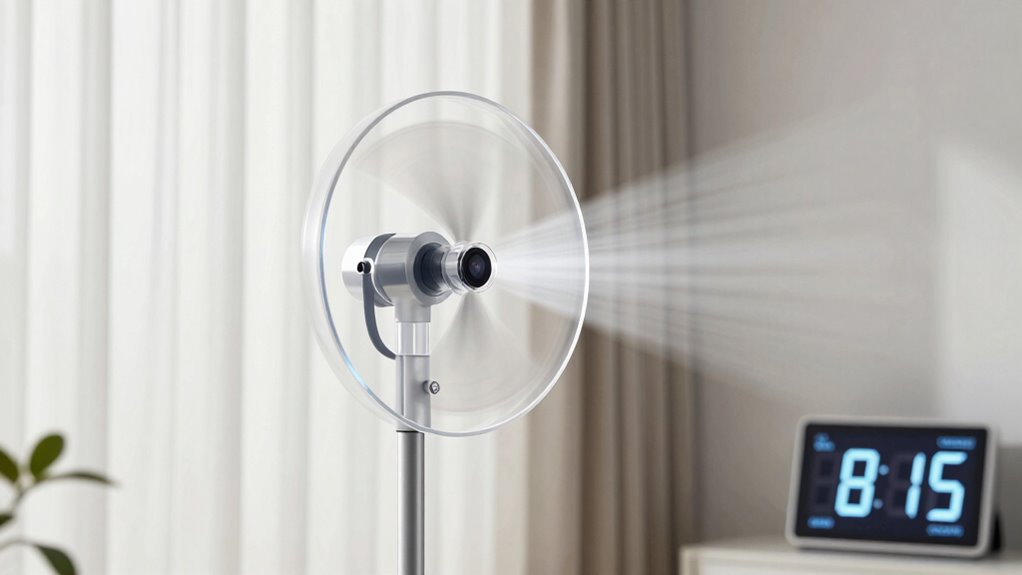

Air Changes per Hour (ACH) measures how many times the air in your space is replaced each hour, directly affecting indoor air quality and comfort. It helps guarantee your environment stays fresh, minimizes pollutants, and reduces health risks like allergies and airborne infections. Different spaces, like homes or hospitals, require specific ACH levels for safety. If you want to understand how ACH influences your indoor environment and why it matters, keep exploring this essential metric.

Get oils, diffusers and self-care delivered free with Prime
- Fast, free delivery on millions of items
- Prime Video, Amazon Music and more included
- Member-only deals all year
Key Takeaways
- ACH indicates how often the indoor air is replaced per hour, crucial for maintaining air quality and health.
- Different environments require specific ACH levels to balance comfort, safety, and energy efficiency.
- Monitoring ACH ensures compliance with standards and helps prevent pollutant buildup and airborne illnesses.
- Proper ACH management enhances indoor air quality, reducing allergens, odors, and health risks.
- ACH is a vital, often overlooked factor in designing effective ventilation systems for safe indoor spaces.
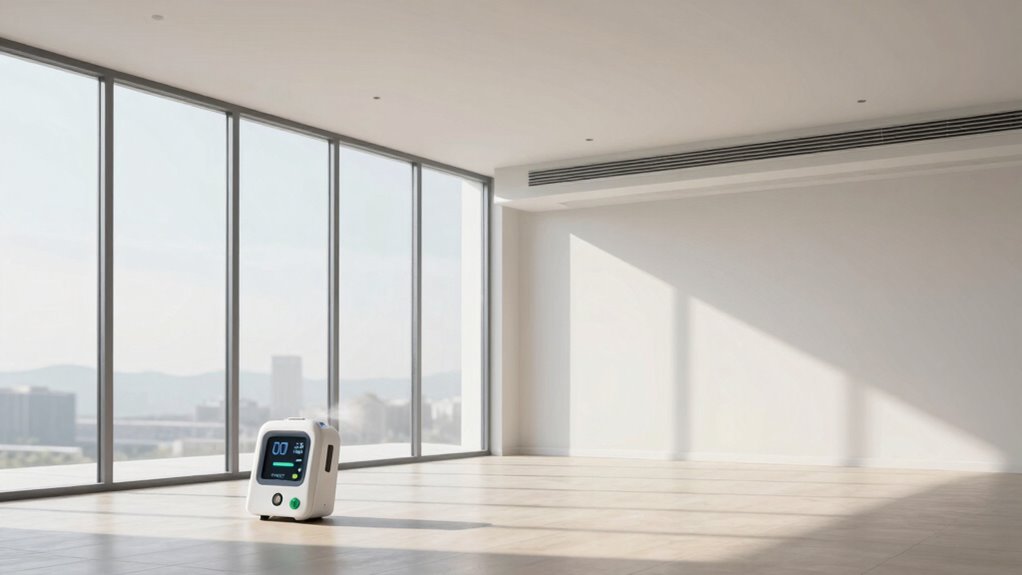
Ever wondered how often the air in a room is replaced? It’s a question that quietly influences your comfort and health, even if you don’t realize it. The answer lies in a key metric called air changes per hour (ACH), which measures how many times the entire volume of air in a space gets refreshed each hour. This simple number holds significant weight when it comes to maintaining good indoor air quality, especially in enclosed spaces where pollutants can build up quickly.
Understanding ACH helps you grasp whether a space meets ventilation standards designed to promote health and comfort. Different environments, like offices, homes, hospitals, and factories, have specific requirements for air changes. For example, healthcare facilities often demand higher ACH to minimize infection risk, while residential spaces usually require lower rates. When air isn’t exchanged enough, pollutants like dust, allergens, and even volatile organic compounds (VOCs) can accumulate, leading to stuffy rooms, odors, and potential health issues. Conversely, too many air changes might cause drafts or energy waste. Achieving the right balance is vital.
Proper ACH balances air quality, comfort, and energy efficiency across different environments.
The goal of ventilation standards is to guarantee indoor air quality remains safe and comfortable. These standards are established by organizations like ASHRAE (American Society of Heating, Refrigerating and Air-Conditioning Engineers) and other regulatory bodies. They set recommended ACH levels based on space use, occupancy, and other factors. If a room doesn’t meet these standards, you might notice stale air, increased allergy symptoms, or a general sense of discomfort. Regularly monitoring ACH helps you provide enough fresh air without overdoing it, which can save energy and reduce costs.
Paying attention to ACH also helps you understand the importance of ventilation effectiveness in maintaining indoor air quality. When you pay attention to ACH, you’re actively managing indoor air quality. Good ventilation reduces the buildup of indoor pollutants, minimizes the spread of airborne illnesses, and creates a healthier environment overall. It’s not just about comfort; it’s about safety. Proper ventilation, guided by accurate ACH measurements, helps you maintain a space that’s both welcoming and safe. Additionally, understanding air quality standards can assist in designing systems that optimize air exchange without unnecessary energy consumption. When ventilation systems are properly designed and maintained, they ensure that the air exchange rate remains consistent with recommended levels, enhancing overall indoor health. By ensuring proper ventilation rates, you can also reduce the risk of airborne disease transmission in shared or public spaces. Whether you’re designing a new building or just adjusting your home’s ventilation system, understanding how often the air is replaced can make a real difference. It’s a silent but powerful factor that guarantees your indoor environment remains healthy, fresh, and compliant with ventilation standards.
air quality monitor for indoor air changes
As an affiliate, we earn on qualifying purchases.
As an affiliate, we earn on qualifying purchases.
Frequently Asked Questions
How Is ACH Different From Air Quality Standards?
ACH measures how many times your indoor air is replaced in an hour, highlighting ventilation efficiency. In contrast, air quality standards set acceptable limits for pollutants, ensuring healthier environments. Ventilation standards focus on ACH to improve airflow, while indoor air policies regulate pollutant levels. Understanding ACH helps you meet ventilation requirements, but air quality standards prioritize overall safety. Both are essential, but ACH specifically gauges how well your space exchanges air.
Can ACH Levels Affect Energy Consumption?
Yes, ACH levels can impact energy consumption. Higher ACH improves ventilation efficiency, ensuring better air quality but often increases energy use due to more frequent or powerful airflow. Conversely, lower ACH can save energy but might compromise indoor air quality. To balance health and efficiency, you should optimize ACH levels, using energy-efficient ventilation systems to achieve effective air exchange without unnecessary energy expenditure.
What Industries Require the Highest ACH Rates?
You’ll find industries like healthcare, pharmaceuticals, and food processing demand the highest ACH rates due to strict industry-specific standards and the need for ideal ventilation efficiency. These sectors require rapid air exchange to maintain sterile conditions, prevent contamination, and ensure safety. By meeting these high ACH levels, you help minimize airborne risks, uphold regulatory compliance, and create safer environments for workers and consumers alike.
How Often Should ACH Be Tested in Buildings?
You should test ACH regularly to guarantee ventilation efficiency and airflow consistency. For most commercial buildings, testing every 6 to 12 months is recommended, while high-risk environments like healthcare or laboratories may require quarterly assessments. Consistent testing helps identify ventilation issues early, maintaining good air quality and safety. Keep in mind that seasonal changes and occupancy fluctuations can impact airflow, so adapt your testing schedule accordingly.
Does ACH Impact Indoor Allergy Levels?
You might be surprised to learn that poor indoor ventilation can double allergy symptoms by trapping triggers like dust, mold, and pet dander. When ACH isn’t optimized, these allergy triggers linger longer, worsening your indoor allergy levels. Improving ACH helps circulate fresh air, removing these irritants more quickly. So, yes, your ACH directly impacts indoor allergy levels, making proper ventilation essential for a healthier, allergy-free environment.
Conclusion
So, next time you’re sealing your windows tight or obsessively air purifying, remember: the true hero isn’t the latest filter or airtight seal, but the humble air change per hour. Ironically, what quietly matters most often gets overlooked in our quest for perfection. You might spend hours on aesthetics, yet it’s those unseen, steady air exchanges that truly safeguard your space. Sometimes, the simplest metric whispers the loudest about what really keeps you safe.
Halloween Picks
halloween
As an affiliate, we earn on qualifying purchases.