Indoor activities like cooking, especially frying or grilling, and burning candles can cause sudden PM2.5 spikes you might overlook. Smoking indoors, using certain cleaning products, and hobbies like woodworking or incense burning also introduce tiny particles that boost pollution levels quickly. Outdoor influences like traffic or construction can sneak inside during open windows. To better protect yourself, knowing how these sneaky activities impact air quality can help you take effective steps—find out more to keep your indoor air healthier.

Get oils, diffusers and self-care delivered free with Prime
- Fast, free delivery on millions of items
- Prime Video, Amazon Music and more included
- Member-only deals all year
Key Takeaways
- Cooking, especially frying or grilling, releases fine particles causing indoor PM2.5 spikes.
- Burning candles, gas stoves, and indoor smoking significantly elevate PM2.5 levels unexpectedly.
- Using aerosols, cleaning products, or engaging in hobbies like woodworking introduce sneaky indoor pollutants.
- External factors like nearby traffic or construction increase outdoor PM2.5 infiltration, raising indoor levels suddenly.
- Routine activities and poor ventilation can cause unnoticed PM2.5 surges indoors without immediate awareness.
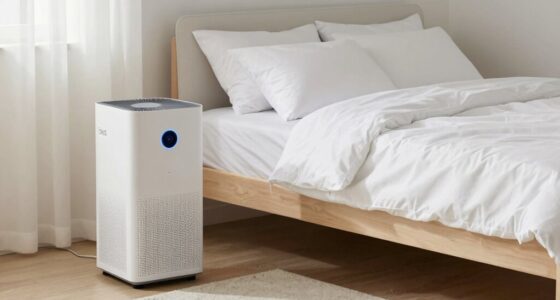
If you notice sudden increases in air pollution inside your home, especially in the form of PM2.5 spikes, you’re not alone. These tiny particles can quickly elevate indoor air pollution levels, making it harder to breathe and potentially harming your health. Understanding what causes these spikes is essential to improving your indoor air quality. Many homeowners wonder about the role of air purifier effectiveness during such episodes. While air purifiers can markedly reduce PM2.5 levels, their effectiveness depends on several factors. For example, the size and type of your air purifier, the placement, and how long you run it all influence how well it can handle sudden pollution surges. High-efficiency models equipped with HEPA filters tend to be most effective at capturing fine particles like PM2.5. However, even the best purifier won’t eliminate all pollutants instantly, especially during heavy pollution events or indoor activities that generate particles.
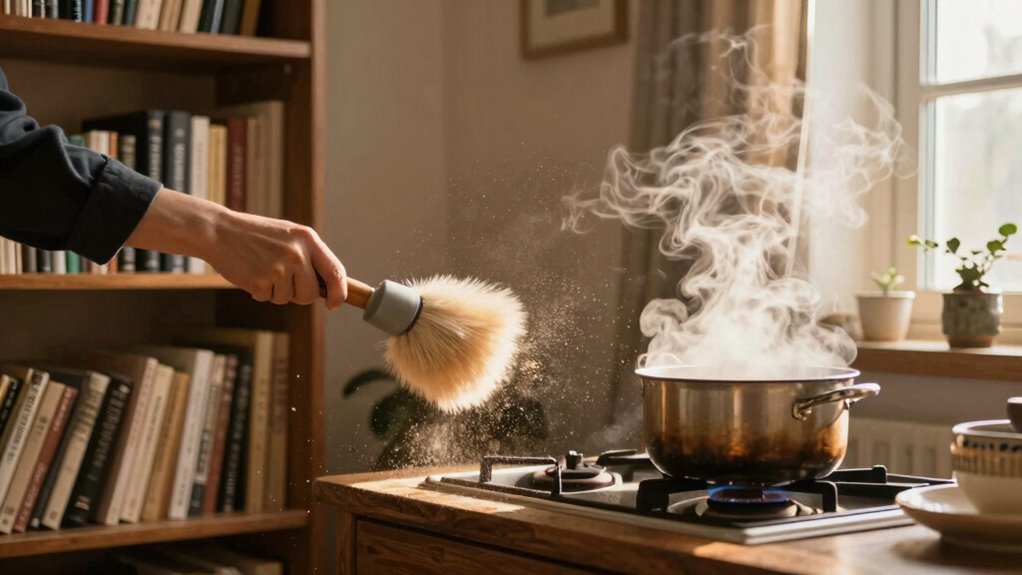
Certain common activities inside your home can cause these PM2.5 spikes without you realizing it. Cooking, especially frying or grilling, releases a substantial amount of fine particles into the air. Using gas stoves or burning candles can also contribute to increased PM2.5 levels. If ventilation is inadequate, these particles linger longer, raising indoor air pollution. Smoking indoors is another major culprit, as it produces a high concentration of PM2.5 that disperses throughout your space. Additionally, some cleaning products, aerosols, and even certain hobbies like woodworking or burning incense can introduce tiny particles that spike your indoor air quality. These activities tend to be overlooked because they’re routine, yet they have a measurable impact on air cleanliness. Recognizing the sources of indoor pollution can help you take targeted steps to reduce these spikes more effectively.
Environmental factors outside your home also play a part. If you live near traffic, industrial sites, or construction zones, outdoor PM2.5 can infiltrate your home through windows, doors, and ventilation systems. This infiltration can lead to sudden increases in indoor pollution, especially during busy traffic hours or dust storms. To combat this, you might consider sealing leaks, upgrading filters, or running your air purifier more frequently during high pollution periods. Remember, the goal isn’t just to reduce PM2.5 temporarily but to maintain consistently good indoor air quality. Regularly monitoring indoor air quality with reliable sensors can help you identify when pollution spikes occur and whether your current measures are enough. Combining effective air purifier use with mindful activities and good ventilation practices will give you the best chance of minimizing these sneaky PM2.5 spikes and protecting your health at home.
HEPA air purifier for PM2.5 removal
As an affiliate, we earn on qualifying purchases.
As an affiliate, we earn on qualifying purchases.
Frequently Asked Questions
Can Certain Houseplants Help Reduce PM2.5 Levels Indoors?
Certain houseplants can help improve indoor air quality, but their effectiveness at reducing PM2.5 levels is limited. While some plants like spider plants and snake plants absorb pollutants, they aren’t a complete solution for airborne particles. You should combine houseplants with proper ventilation and air purifiers for better results. Relying solely on houseplants won’t markedly lower PM2.5, but they can contribute to a healthier indoor environment.
How Often Should I Replace Air Filters to Prevent PM2.5 Buildup?
To keep your air quality ideal, you should replace your filters every 1 to 3 months. Regular filter replacement reduces PM2.5 buildup and maintains fresh, clean air in your home. Check your filters monthly, especially if you have pets or live in a busy area. Don’t delay in swapping out dirty filters, as fresh filters foster healthier homes and help prevent harmful particle accumulation that can compromise your air quality.
Do Air Purifiers Effectively Eliminate All Indoor PM2.5 Particles?
Air purifiers can considerably reduce indoor PM2.5 particles, but they don’t eliminate them completely due to their limitations. They work best when properly maintained and matched to your room size. Keep in mind, indoor particle dynamics are complex—some particles slip through filters or re-enter the air. To improve effectiveness, combine air purifiers with good ventilation and regular cleaning, but understand that some PM2.5 may still persist.
Are There Specific Cleaning Products That Increase PM2.5 Indoors?
Did you know some cleaning products can increase indoor PM2.5 levels by up to 50%? Yes, certain cleaning aerosols and products with chemical residues release tiny particles into the air, raising your PM2.5 exposure. When you use harsh sprays, you inadvertently contribute to indoor pollution. To keep the air cleaner, opt for natural cleaning solutions and avoid aerosol sprays, especially around pets and children.
Can Outdoor Pollution Infiltrate Indoor Spaces During Certain Weather Conditions?
Yes, outdoor pollution can penetrate indoor spaces during certain weather conditions, especially when you open windows or use indoor ventilation. Windy days or temperature inversions increase outdoor infiltration, allowing pollutants like PM2.5 to enter your home. To protect yourself, keep windows closed during high pollution days, use air purifiers, and make sure your ventilation system has proper filters to reduce indoor PM2.5 levels effectively.
Conclusion
Just like Pandora’s box, daily activities at home can release unseen dangers, spiking your PM2.5 levels without you realizing it. By understanding these sneaky sources, you hold the power to protect your space and health. Don’t let invisible threats become a silent Pandora’s curse—take action now. Your home should be a sanctuary, not a trap. Awareness is your key to breaking free from these hidden hazards and breathing easier every day.
Fall Picks
fall essentials
As an affiliate, we earn on qualifying purchases.