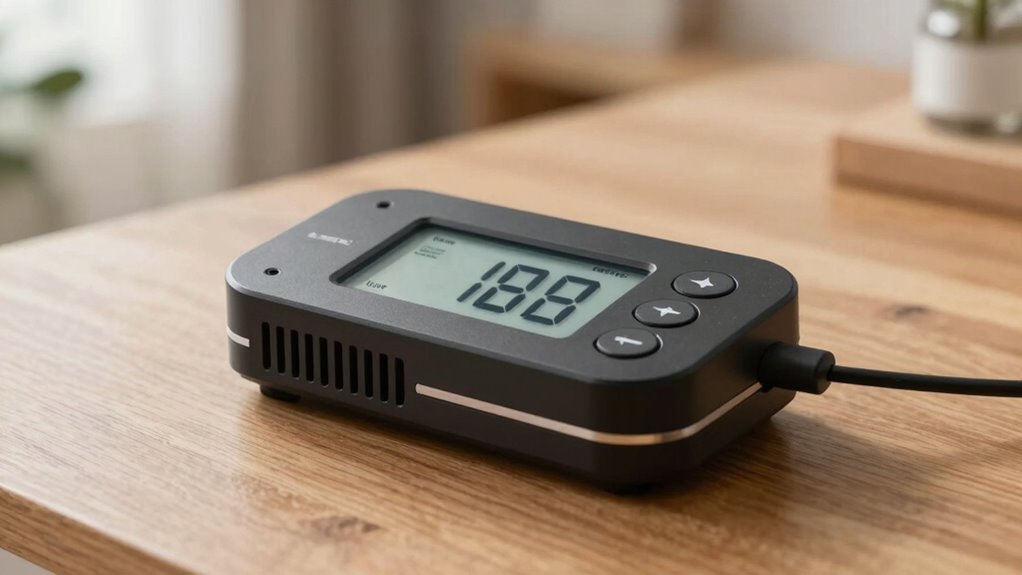

When it comes to radon detectors, long-term tests give you the most accurate picture of your ongoing exposure. Short-term tests can be affected by daily or seasonal changes, leading to misleading results. Longer tests, usually over 90 days, capture fluctuations and provide a clearer understanding of your true risk. This way, you can make better decisions about mitigation. Keep going, and you’ll discover why understanding these differences really matters for your safety.

Get oils, diffusers and self-care delivered free with Prime
- Fast, free delivery on millions of items
- Prime Video, Amazon Music and more included
- Member-only deals all year
Key Takeaways
- Long-term tests average out seasonal and daily fluctuations, providing a more accurate assessment of ongoing radon exposure.
- They help determine if radon levels consistently exceed the EPA’s action level of 4 pCi/L.
- Short-term tests can be misleading due to temporary variations, making long-term data more reliable for safety decisions.
- Extended testing over at least 90 days captures true radon risks across different seasons.
- Accurate long-term readings support informed decisions on mitigation measures and health safety.
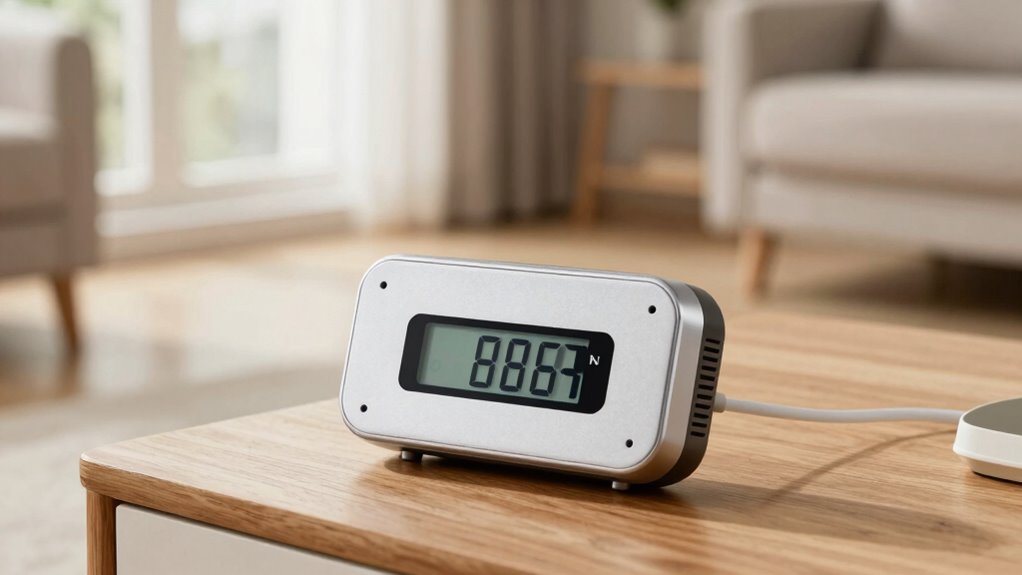
Have you ever wondered how safe your home really is from invisible dangers? Radon, a colorless, odorless radioactive gas, is one of those hidden threats that can quietly jeopardize your health safety. Since you can’t see or smell radon, the only reliable way to detect its presence is through radon detection devices. These detectors give you the essential information needed to assess whether your indoor environment is safe or if action is necessary. But not all readings are equally meaningful. Short-term radon tests provide a quick snapshot, but they can be misleading because radon levels fluctuate daily and seasonally. That’s why long-term numbers matter most when it comes to understanding your true risk.
Long-term radon testing provides the most accurate picture of your home’s true safety from invisible, fluctuating radon levels.
When you rely on short-term radon detection, you might either overestimate or underestimate the real danger in your home. For example, a test conducted during winter when windows are closed could show higher radon levels than in summer, leading you to believe your home is more hazardous than it actually is. Conversely, testing during a period of unusually low radon levels might give you false reassurance. This inconsistency underscores the importance of long-term testing, which averages out these fluctuations and provides a more accurate picture of your ongoing exposure. In terms of health safety, knowing the long-term radon levels helps you make informed decisions about whether to take remediation steps, such as improving ventilation or installing radon mitigation systems. Recognizing the seasonal variations in radon levels is crucial for an accurate assessment.
Investing in a long-term radon detector can seem like a small step with big implications. You’re essentially giving yourself peace of mind, knowing that your home’s radon levels are consistent over time rather than transient spikes. To accurately assess your risk, it’s crucial to understand the significance of long-term testing and how it captures true exposure levels. The most accurate assessments come from testing over at least 90 days, ideally across different seasons, to account for natural variations. This way, you can determine if your radon levels consistently stay below the EPA’s recommended action level of 4 picocuries per liter. If your long-term readings are above that threshold, it’s vital to act promptly to reduce radon levels and protect your health safety.
In the end, understanding why long-term numbers matter most is simple: they give you an extensive, reliable view of your exposure risk. Radon detection isn’t just about knowing if radon is present; it’s about measuring how much you’re exposed to over time. With that knowledge, you can take effective steps to safeguard your home and loved ones from this invisible threat. Recognizing testing duration as a key factor ensures you’re making the most informed decisions about your environment. Additionally, understanding the accuracy of readings can help you select the most effective radon detection method for your needs. Moreover, considering the natural fluctuations in radon levels can help you interpret test results more accurately and avoid unnecessary concern or complacency.
As an affiliate, we earn on qualifying purchases.
Frequently Asked Questions
How Often Should I Calibrate My Radon Detector?
You should calibrate your radon detector at least once a year to confirm detector accuracy. Regular calibration helps maintain the device’s precision in measuring radon levels, preventing false readings that could compromise your safety. If your detector is exposed to extreme conditions or shows signs of malfunction, consider calibrating it more frequently. Consistent calibration guarantees reliable long-term readings, so you can confidently assess your home’s radon risk.
Are There Any False Positives With Long-Term Radon Testing?
Imagine a tiny radon detective, suspicious of false positives in long-term testing, but rarely fooled. While false positives are rare, they can happen if your detector’s testing accuracy isn’t perfect. Long-term testing smooths out short-term fluctuations, reducing false alarms. So, you’re unlikely to get misleading results, but it’s wise to trust consistent, calibrated detectors. Remember, even detectives need backup evidence to be truly convinced!
Can Radon Levels Vary Seasonally?
Yes, radon levels can vary seasonally due to weather influence and seasonal fluctuations. During colder months, you might see higher radon readings because of increased soil gas movement indoors, while warmer months often show lower levels. These seasonal fluctuations emphasize the importance of long-term testing, as short-term tests might catch a peak or dip that doesn’t reflect your typical radon exposure.
What Is the Lifespan of a Typical Radon Detector?
Radon detectors typically last between 2 to 7 years, depending on the type. During this duration, you should prioritize proper radon mitigation and regular detector maintenance to guarantee accurate readings. As your detector ages, its sensitivity decreases, risking inaccurate assessments. Replace your detector once its lifespan ends to maintain safety. Staying proactive helps you protect your home from radon risks and ensures reliable long-term monitoring.
Do Professional Radon Tests Differ From Home Detectors?
Professional radon tests differ from home detectors because they typically provide more accurate radon measurement results. You rely on experts who use advanced equipment and follow strict procedures, ensuring higher detector accuracy. While home detectors offer convenience and quick results, professional tests are designed for long-term, precise measurements, giving you confidence in the radon levels in your home. This accuracy helps you make informed decisions about your health and safety.
Conclusion
When it comes to radon, don’t just glance at the numbers—let them tell their story over time. Long-term detectors reveal the true picture, the hidden rhythm of your home’s safety. Remember, a single snapshot can deceive, but sustained readings uncover the real threat. Trust in the power of patience; because in the dance between you and radon, it’s the long-term numbers that lead to peace of mind, guiding you safely home.
Halloween Picks
halloween
As an affiliate, we earn on qualifying purchases.