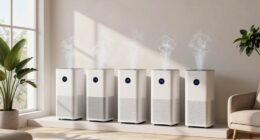
To create cleaner air and reduce pet dander, I recommend regular grooming outdoors with specialized tools, paired with consistent cleaning like vacuuming with a HEPA filter and washing bedding frequently. Using air purifiers with HEPA filters helps capture airborne allergens, while keeping pets out of bedrooms and off furniture limits exposure. Taking allergy medications as advised provides additional relief. Combining these steps makes it easier to enjoy your pets while managing allergies—continue for more helpful tips.
Key Takeaways
- Regular grooming outdoors and with specialized tools reduces indoor pet dander levels effectively.
- Using HEPA air purifiers and maintaining good ventilation help capture airborne pet allergens.
- Frequent cleaning of surfaces, bedding, and pet accessories minimizes allergen buildup in the home.
- Combining allergy medications with cleaning and air quality improvements enhances symptom relief.
- Limiting pet access to bedrooms and furniture decreases exposure to dander and improves indoor air quality.

Many people with allergies find that pet dander triggers their symptoms, even if they love animals. I’ve been there myself, and I know how frustrating it can be to want to keep your furry friends around but also want to breathe comfortably. One of the most effective ways I’ve found to reduce dander in the home is through consistent pet grooming. Regularly brushing and bathing my pets helps remove loose fur and skin flakes that contain dander, which are the primary culprits behind allergic reactions. I make it a point to groom my pet outside or in well-ventilated areas to prevent dander from spreading throughout the house. Using specialized pet grooming tools, I can capture more dander and keep it from settling on furniture or carpets.
Even with diligent grooming, some dander still lingers indoors, which is where allergy medications come into play. I keep a supply of allergy relief options on hand, and I’ve learned that taking antihistamines or other allergy medications as recommended by my doctor can markedly reduce symptoms. These medications help me manage sneezing, nasal congestion, and itchy eyes, making it easier to enjoy my time with my pet without constant discomfort. It’s important to note that medication isn’t a substitute for good cleaning practices, but it’s a helpful supplement.
Beyond grooming and medications, I also pay attention to how I maintain my home environment. Regularly cleaning all surfaces, vacuuming with a HEPA filter vacuum cleaner, and washing bedding and pet accessories can drastically cut down on pet dander levels. I try to keep my pet out of bedrooms and off furniture as much as possible to minimize exposure. Air purifiers equipped with HEPA filters are another game-changer, capturing airborne dander and improving indoor air quality. When I follow these steps consistently, I notice a real difference in my allergy symptoms. Additionally, understanding Divorce Guidance can provide helpful strategies for managing the emotional and practical aspects of living with a pet during challenging times.
Living with pets and allergies isn’t always easy, but it’s manageable with the right strategies. Pet grooming and allergy medications are just parts of an extensive approach that includes diligent cleaning and air filtration. I’ve learned that maintaining a cleaner environment helps me enjoy my pets without suffering from allergy symptoms. It’s all about finding a balance that allows me to keep the companionship I cherish while protecting my health. With patience and effort, I can create a home where both my pets and I thrive, breathing easier every day.
Frequently Asked Questions
Can Air Purifiers Completely Eliminate Pet Dander?
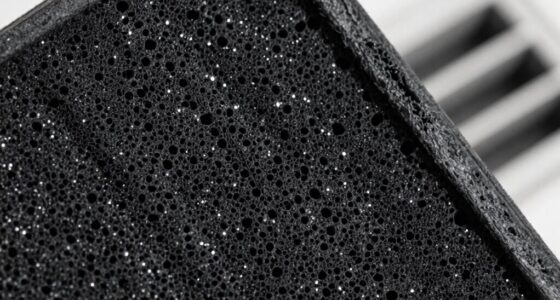
Air purifiers can’t completely eliminate pet dander due to their limitations, but they can considerably reduce it. I’ve found that high-quality HEPA filters are most effective for pet dander removal, capturing tiny particles that cause allergies. Keep in mind, air purifiers work best when combined with regular cleaning and grooming. While they won’t remove every trace, they do make a noticeable difference in improving indoor air quality.
Are There Hypoallergenic Pets With No Dander?
Think of hypoallergenic breeds as the gentle rain that clears the air—they produce less dander, making them better for allergy sufferers. While no pet is completely dander-free, breeds like Poodles and Bichon Frises are known for dander reduction. I recommend choosing hypoallergenic breeds if you’re sensitive, but remember, regular grooming and cleaning are essential to keep dander levels low and breathe easier.
How Often Should I Replace Air Filters for Allergy Relief?
I recommend replacing your air filters every 30 to 90 days for effective allergy symptom management. Regular air filter maintenance is key to reducing pet dander and other allergens in your home. If you have pets or allergies, changing filters more frequently, around every 30-60 days, can make a noticeable difference. Consistent upkeep ensures cleaner air and helps keep allergy symptoms under control.
Do Certain Foods Reduce Pet Dander Allergies?
Imagine a shield forming around you—certain foods can act like that. Diet modifications, especially allergy-friendly foods like omega-3 rich fish, fruits, and vegetables, may help reduce inflammation and allergen sensitivity. While they won’t eliminate pet dander, these foods can boost your immune system and potentially lessen allergy symptoms. Incorporate them into your daily meals, and you might notice a smoother, easier breathing experience.
Can Pet Grooming Reduce Indoor Allergen Levels Effectively?
Yes, regular grooming can considerably reduce indoor allergen levels. I recommend grooming your pet frequently, especially if they have a thick or long coat type, to remove loose hair and dander. Short-haired pets may need less frequent grooming, but consistency is key. Using a high-quality brush and bathing your pet regularly helps keep dander at bay, improving air quality and easing allergy symptoms for you.
Conclusion
So, next time you notice allergy symptoms flaring up, ask yourself—are you doing everything you can to keep your air clean? Pet dander might be small, but its impact on our health is huge. By staying proactive—cleaning regularly, using air purifiers, and grooming our pets—we can breathe easier and enjoy their company without the sneezes. After all, isn’t a healthier home worth the effort? Let’s make cleaner air a priority today.