

If you notice a persistent cough that lingers for weeks, especially in the mornings, it could be an early sign of COPD. Shortness of breath during routine activities, wheezing, chest tightness, or increased mucus production are also warning signs. Fatigue after simple tasks and reduced exercise tolerance indicate your lung health might be declining. If you’re experiencing these symptoms, understanding more about how they progress can help you take early action.

Get oils, diffusers and self-care delivered free with Prime
- Fast, free delivery on millions of items
- Prime Video, Amazon Music and more included
- Member-only deals all year
Key Takeaways
- Persistent cough lasting weeks or months, especially in the mornings, signals early lung issues.
- Shortness of breath during routine activities like climbing stairs indicates declining lung function.
- Wheezing and chest tightness suggest airway narrowing from inflammation or mucus buildup.
- Increased mucus production, often thick and discolored, points to airway irritation and inflammation.
- Fatigue and reduced exercise tolerance reflect insufficient oxygen and early COPD progression.
As an affiliate, we earn on qualifying purchases.
Persistent Cough That Won’t Quit
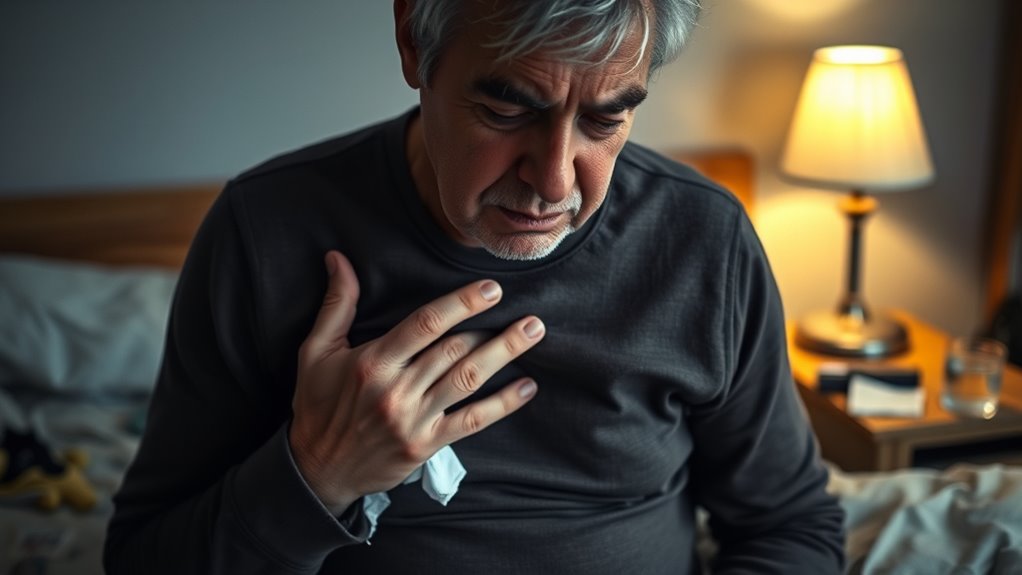
A persistent cough that won’t quit is often one of the earliest signs of COPD. You might notice this cough lingering for weeks or even months, especially in the mornings. It can start as a mild irritation but gradually worsens over time. You may find yourself clearing your throat more often or producing mucus that’s thicker than usual. Don’t ignore it—this cough isn’t just a minor annoyance; it’s your body’s way of signaling that something’s wrong with your lungs. COPD-related coughs tend to persist regardless of whether you’re sick or not. If this sounds familiar, it’s essential to pay attention and consult a healthcare professional for proper diagnosis and early intervention. Recognizing this sign early can make a significant difference, especially since a chronic cough is a key symptom linked to respiratory health issues.
Shortness of Breath During Activities

You might notice shortness of breath when engaging in everyday activities, even those that previously didn’t cause any difficulty. Tasks like climbing stairs, carrying groceries, or walking short distances suddenly become exhausting. You may find yourself gasping for air or feeling like you can’t get enough breath, even at rest. This sensation happens because your lungs aren’t functioning efficiently, making it harder to get oxygen into your bloodstream. Over time, these breathing struggles can worsen, leading to increased fatigue and reduced activity levels. If you start experiencing shortness of breath during routine activities, it’s a clear warning sign that your lung health needs attention. Recognizing patterns like angel number soulmate can also serve as subtle signs indicating the need for medical evaluation. Addressing this early can help manage symptoms and prevent further deterioration.
Wheezing and Chest Tightness

Wheezing and chest tightness often signal airway narrowing caused by inflammation and mucus buildup in the lungs. When your airways become inflamed, they restrict airflow, making it harder to breathe. You might notice a high-pitched whistling sound when you breathe out or a sensation of pressure across your chest. These symptoms can come on suddenly or gradually worsen over time. You may feel like your chest is constricted or heavy, especially during physical activity or at night. Recognizing these signs early is essential because they often indicate that your lungs are struggling to get enough air. If you experience wheezing or chest tightness frequently, it’s important to see a healthcare professional for proper diagnosis and management.
Increased Mucus Production

Increased mucus production often accompanies airway inflammation, making breathing even more difficult. As your airways become irritated, they produce extra mucus to try to protect themselves. This excess mucus can clog your airways, causing coughing and a sensation of congestion. You might notice mucus that’s thick, sticky, or discolored, which signals ongoing inflammation. This ongoing mucus buildup can trap air in your lungs, leading to shortness of breath and chest tightness. It also makes clearing your airways harder, increasing the risk of infections. Pay close attention if you experience these signs regularly. Recognizing increased mucus early can help you seek treatment sooner and manage your symptoms more effectively. Advances in natural language processing are improving the way healthcare providers interpret symptoms like mucus changes, facilitating earlier detection and intervention.
Fatigue and Reduced Exercise Tolerance

As COPD progresses, fatigue and reduced exercise tolerance become common early warning signs, signaling that your lungs are struggling to supply oxygen efficiently. You might find yourself feeling unusually tired even after simple activities or experiencing a decline in your ability to walk or climb stairs. This happens because your lungs aren’t delivering enough oxygen to your muscles, causing you to tire quickly. You may also notice that everyday tasks become more exhausting. These signs are your body’s way of telling you that your COPD is worsening. Paying attention to these changes helps you catch the condition early. Managing fatigue and maintaining activity levels can improve your quality of life and prevent further decline. Understanding how contrast ratio influences image quality can help you better recognize physical changes associated with your health. Talk to your healthcare provider about strategies to address these symptoms.
Frequently Asked Questions
Can COPD Symptoms Appear Suddenly Without Warning?
Sometimes, symptoms can surprise you with a sudden onset, especially during an infection or exposure to irritants. You might notice increased shortness of breath, wheezing, or coughing unexpectedly. While COPD usually develops gradually, acute flare-ups can feel sudden and severe. If you experience rapid symptom escalation, it’s important to seek medical attention promptly to manage the situation and prevent complications.
Are There Any Early Signs of COPD in Non-Smokers?
Sometimes, subtle clues hint at underlying health changes. In non-smokers, early signs of COPD can be quite gentle, like feeling more winded during activities or experiencing a lingering cough. These aren’t always obvious or alarming at first. If you notice these signs, it’s wise to consult your healthcare provider. Catching issues early can make a significant difference, so pay attention to your breathing and any small changes.
How Can I Distinguish COPD From Asthma Symptoms?
When distinguishing COPD from asthma, you should pay attention to symptom patterns. COPD typically causes a gradual, persistent airflow limitation, leading to ongoing cough and shortness of breath, especially with exertion. Asthma symptoms tend to come and go, triggered by allergens or irritants, and often improve with medication. If your symptoms are persistent and worsen over time, it’s important to see a healthcare provider for proper diagnosis and treatment.
What Lifestyle Changes Can Help Prevent COPD Progression?
You can help prevent COPD progression by making healthy lifestyle changes. Quit smoking if you smoke, as it’s the leading cause. Avoid lung irritants like fumes and pollution. Maintain a balanced diet and stay active to strengthen your lungs. Regular exercise, under your doctor’s guidance, improves breathing. Also, get vaccinated against flu and pneumonia to prevent infections that could worsen your condition. These steps support your lung health and slow disease progression.
Is It Possible to Reverse Early COPD Damage?
You wonder if early damage from COPD can be undone. While complete reversal isn’t usually possible, you can slow or halt progression by quitting smoking, avoiding lung irritants, and following your healthcare provider’s advice. You can improve your breathing, enhance your quality of life, and preserve lung function by staying active, managing your symptoms, and maintaining a healthy lifestyle. Your proactive steps make a significant difference in managing early COPD.
Conclusion
Pay attention to these early signs—they’re like warning lights on your dashboard, signaling that something needs your attention. Ignoring them is like driving a car with a faulty engine; it could lead to a breakdown. Recognizing and acting on these symptoms now can help you steer clear of more serious health trouble down the road. Stay vigilant, listen to your body, and take steps to protect your lung health before the storm hits.
Evergreen bestsellers Picks
bestsellers
As an affiliate, we earn on qualifying purchases.