High humidity levels in your home create ideal conditions for dust mites to thrive, which worsens allergy symptoms. When moisture is above 50%, dust mites reproduce rapidly and increase allergenic debris. To reduce their numbers, keep indoor humidity between 30% and 50% using dehumidifiers, fans, and good ventilation. Controlling moisture is key to minimizing dust mite presence and allergy issues. Keep exploring to discover more effective ways to manage humidity for allergy relief.
Key Takeaways
- Dust mites thrive in humidity levels above 50%, increasing allergen production and reproduction.
- Maintaining indoor humidity between 30-50% using dehumidifiers reduces dust mite populations.
- High humidity creates ideal conditions for dust mite survival and allergen buildup in bedding and furniture.
- Proper ventilation and moisture control strategies can significantly decrease dust mite-related allergies.
- Regular cleaning and hot water washing help remove dust mite allergens, especially in humid environments.

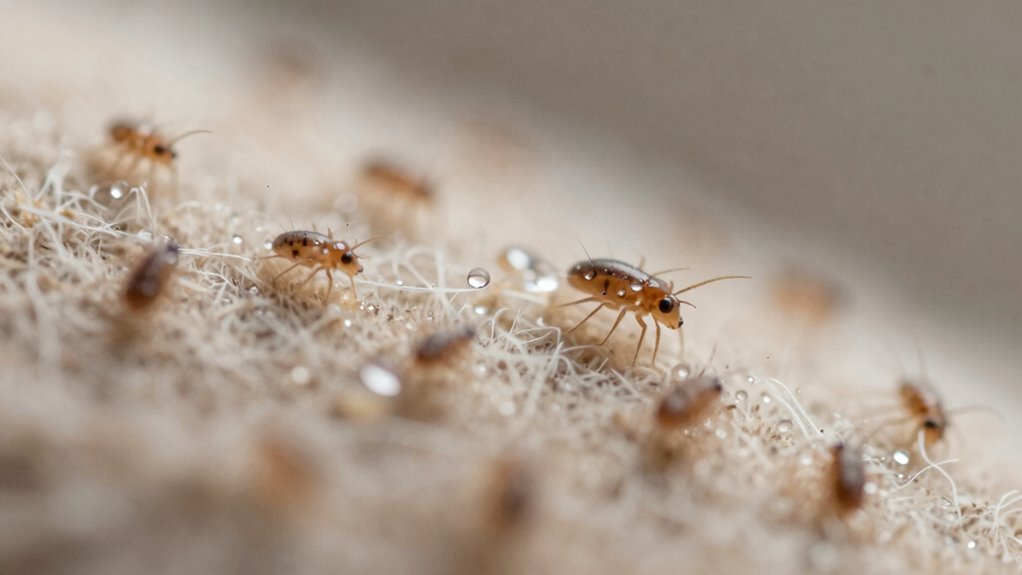
Dust mites thrive in humid environments because moisture provides the ideal conditions for their survival and reproduction. If you’re struggling with dust mite allergies, controlling the humidity levels in your home can be a game-changer. Dust mite control starts with understanding how humidity influences their presence. These tiny creatures flourish when the air is moist, often thriving in environments with humidity levels above 50%. When the air is damp, dust mites breed and multiply rapidly, increasing the amount of allergenic debris in your living space.
Dust mites thrive in humid environments with humidity levels above 50%, increasing allergen presence.
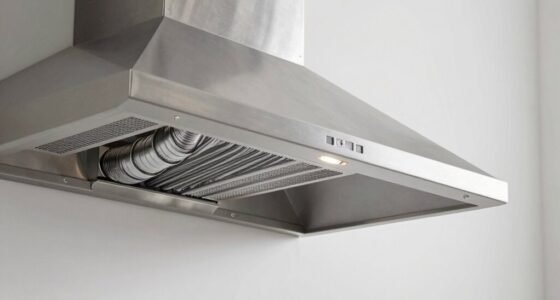
To effectively reduce dust mite populations, you need to prioritize humidity regulation. Using a dehumidifier is one of the simplest ways to keep indoor humidity low, ideally between 30% and 50%. This range creates an inhospitable climate for dust mites, making it harder for them to survive. If you don’t have a dehumidifier, consider using exhaust fans in bathrooms and kitchens to reduce moisture buildup. Additionally, air conditioning units can help control humidity while cooling your home, creating a less welcoming environment for these pests.
Regularly monitoring indoor humidity levels with a hygrometer allows you to stay on top of your dust mite control efforts. When you notice humidity creeping above the recommended range, take immediate action to lower it. Simple habits like fixing leaks, avoiding overwatering plants, and ensuring good ventilation can make a significant difference. Moisture from everyday activities such as showering and cooking can also raise humidity if not managed properly. Using exhaust fans or opening windows during these activities helps to keep moisture levels in check.
Cleaning routines play a vital role in dust mite control as well. Wash bedding, pillowcases, and curtains frequently in hot water—at least 130°F—to kill dust mites and remove their allergenic waste. Vacuuming carpets and upholstery with a HEPA filter can trap airborne dust mites and reduce allergen exposure. Since dust mites thrive in bedding, carpets, and soft furnishings, maintaining a clean, dry environment in these areas is essential. Reducing clutter and dust-collecting items also minimizes hiding spots for these pests. Additionally, understanding home environment factors that favor dust mite proliferation can help you create a healthier living space.
Frequently Asked Questions
Can Dust Mites Survive in Low-Humidity Environments?
No, dust mites can’t survive well in low-humidity environments because their adaptation relies on higher humidity levels. They actively regulate moisture, so when humidity drops, their survival chances decrease considerably. To reduce dust mite populations, you should focus on humidity regulation in your home, keeping it below 50%. This creates an inhospitable environment for them, helping to lessen allergy symptoms caused by dust mites.
Does Reducing Humidity Entirely Eliminate Dust Mites?
Reducing humidity can substantially limit dust mite populations, but it may not eliminate them completely. For effective dust mite prevention, you should implement humidity management strategies like using dehumidifiers, air conditioners, and venting bathrooms. Keeping indoor humidity below 50% creates an environment less hospitable for dust mites. While you can reduce their numbers, some mites might still survive, so consistent management and cleaning are essential for better allergy control.
How Quickly Do Dust Mites Die When Humidity Is Decreased?
When you lower humidity, dust mites typically die within 24 to 48 hours. The mite lifecycle is sensitive to humidity fluctuation, as mites need high moisture levels to survive. By consistently maintaining low humidity, you interrupt their environment, causing a rapid decline in their population. Staying diligent with humidity control ensures these pests can’t thrive, reducing allergy symptoms and improving indoor air quality effectively.
Are There Specific Humidity Levels That Trigger Dust Mite Allergies?
You should aim to keep humidity levels below 50% to prevent dust mite allergies. Humidity thresholds above this can trigger allergy symptoms, as dust mites thrive in moist environments. Maintaining a humidity level between 30-50% helps reduce dust mite populations and minimizes allergy triggers. Use a hygrometer to monitor your home’s humidity regularly, and consider dehumidifiers if your levels tend to stay high.
Can Humidity Control Help With Dust Mite Allergy Symptoms Year-Round?
Think of humidity control as your shield against dust mite invasions—keeping levels below 50% can substantially reduce allergy symptoms year-round. While maintaining proper humidity enhances air purifier effectiveness, it’s not a standalone fix. Combine this with allergy medication options for complete relief. Staying vigilant about humidity creates a safer environment, making your home a fortress where dust mites can’t thrive, and your allergy symptoms stay in check all year long.
Conclusion
Just like Pandora’s box, ignoring dust mites and humidity can unleash unseen allergens into your home, triggering allergy attacks. By controlling humidity levels, you hold the key to closing that box and keeping those tiny invaders at bay. Don’t let these microscopic foes catch you off guard—take action now. Remember, a simple change in humidity could be your shield, turning your home from a hidden battleground into a safe haven.