When wildfire smoke alarms, I stay indoors with windows and doors shut, and I use a HEPA air purifier to keep the air clean. I wear a properly fitted N95 mask if I need to go outside, especially during unhealthy AQI levels. I also limit outdoor activities and stay hydrated to help my lungs. To learn specific tips on protecting yourself, continue exploring effective ways to shield your lungs during smoke events.

Get oils, diffusers and self-care delivered free with Prime
- Fast, free delivery on millions of items
- Prime Video, Amazon Music and more included
- Member-only deals all year
Key Takeaways
- Check the AQI regularly and limit outdoor activities during unhealthy or hazardous air quality levels.
- Wear properly fitted N95 masks to effectively filter out harmful smoke particles.
- Keep windows and doors closed indoors, and use HEPA-filtered air purifiers to reduce indoor pollution.
- Stay indoors, stay hydrated, and avoid strenuous exercise to minimize respiratory irritation.
- Monitor symptoms like coughing or shortness of breath and seek medical attention if they worsen.

When wildfire smoke fills the air, it can pose serious risks to our lung health. I’ve seen firsthand how quickly the air quality deteriorates during a wildfire, and I know that inhaling smoke isn’t just unpleasant—it can be dangerous. Wildfire smoke contains tiny particles and chemicals that can irritate our respiratory system, especially if we’re exposed for extended periods. Protecting your respiratory health becomes essential, particularly when the air quality drops to unhealthy levels.
Wildfire smoke threatens lung health; limiting exposure and using protective gear are essential during poor air quality.
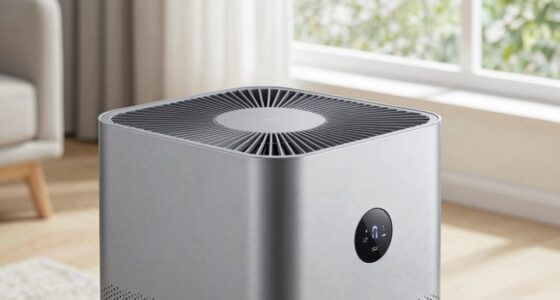
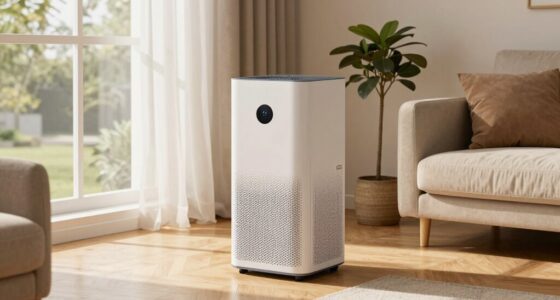
One of the first things I do when I notice reports about worsening air quality is check the air quality index (AQI). This simple tool provides real-time information on pollution levels and helps me decide whether I should stay indoors or take extra precautions. If the AQI indicates unhealthy or hazardous air, I limit outdoor activities and keep my windows and doors shut. I use air purifiers with HEPA filters in my home because they can markedly reduce indoor particle levels. It’s incredible how much cleaner the air feels when a good filter is in place, providing a barrier against those dangerous smoke particles.
Wearing a properly fitted N95 mask is another effective step I take to protect my respiratory health when I need to go outside. These masks filter out a significant percentage of airborne particles, including those tiny wildfire smoke particles that can penetrate deeper into our lungs. I’ve learned that regular surgical masks or cloth coverings don’t offer the same level of protection, so I always opt for an N95 if I must venture outdoors during smoky days.
Beyond masks and air purifiers, I also pay attention to my breathing habits. I try to avoid strenuous activity outside when the air quality is poor, since heavy breathing can increase the amount of smoke particles that reach my lungs. Staying hydrated helps keep my respiratory passages moist and better able to clear out irritants. If I experience symptoms like coughing, wheezing, or shortness of breath, I don’t ignore them. I consult my healthcare provider promptly because these symptoms can escalate if ignored or left untreated. Additionally, I make sure to use air purifiers with HEPA filters, which are highly effective at reducing indoor particle levels and providing cleaner air.
It’s clear to me that maintaining awareness of air quality and taking proactive steps is vital for protecting our respiratory health during wildfire events. The smoke doesn’t just affect the environment; it directly impacts our lungs. By staying informed, limiting outdoor exposure, and using protective gear, I can help safeguard my lungs from the harmful effects of wildfire smoke. It’s a simple yet powerful way to stay healthier during these challenging times.
HEPA air purifier for indoor air quality
As an affiliate, we earn on qualifying purchases.
As an affiliate, we earn on qualifying purchases.
Frequently Asked Questions
How Long Does Wildfire Smoke Typically Stay in the Air?
Wildfire smoke can stay in the air for several days to weeks, depending on air circulation and smoke dispersion factors. When the wind is calm, smoke tends to linger longer, trapping pollutants closer to the ground. Stronger winds help disperse the smoke faster, clearing the air. I recommend staying indoors during heavy smoke events and using air purifiers to reduce exposure, especially if the smoke persists in your area.
Can Wildfire Smoke Affect Indoor Air Quality?
Imagine your home’s air as a clear mountain stream, but wildfire smoke can drift in like a stubborn fog, affecting indoor air quality. Yes, it can seep inside, making your air less fresh. To combat this, I recommend indoor air filtration systems and smart ventilation strategies. These tools help clear out pollutants and maintain a healthier environment, so you breathe easier even when smoke lingers outside.
Are Children and Pets More Vulnerable to Wildfire Smoke?
Yes, children and pets are more vulnerable to wildfire smoke. I know that child health can be impacted more severely because their lungs are still developing, making them more susceptible to respiratory issues. Pet safety is also essential, as pets can breathe in harmful particles just like humans. I always take extra precautions to keep my kids and pets indoors, with air purifiers, during wildfire events to protect their health.
What Are the Long-Term Health Effects of Wildfire Smoke Exposure?
Long-term exposure to wildfire smoke can lead to serious health issues, including chronic respiratory problems like asthma, COPD, and other lung diseases. I’ve learned that repeated inhalation of smoke particles might also increase the risk of cardiovascular problems over time. It’s essential to protect yourself, minimize exposure, and seek medical advice if you experience persistent symptoms because these effects can impact your health for years to come.
How Can I Tell if My Symptoms Are Due to Smoke Inhalation?
If you’re wondering whether your symptoms are due to smoke inhalation, trust your body’s signals. Look for symptoms like coughing, throat irritation, shortness of breath, or chest tightness—these are signs of potential trouble. Do some health monitoring and symptom identification by noting when symptoms start and how long they last. If symptoms persist or worsen, don’t hesitate to see a healthcare professional—better safe than sorry.
Conclusion
Remember, wildfire smoke can be tough on your lungs, but taking simple protective steps makes a big difference. Did you know that inhaling smoke can increase your risk of respiratory problems by up to 30%? Staying indoors, wearing masks, and using air purifiers really help. Don’t wait until the next fire to act—protect your lungs now. Your health is worth it, and these small steps can keep you breathing easier when it matters most.
Halloween Picks
halloween
As an affiliate, we earn on qualifying purchases.