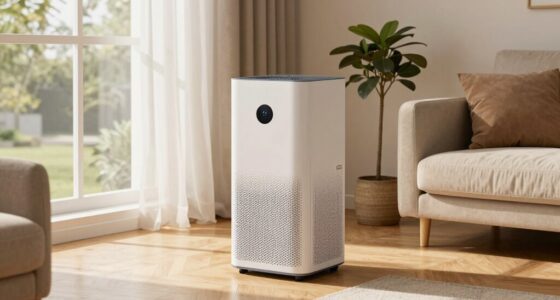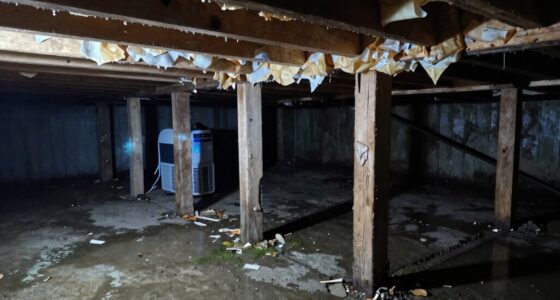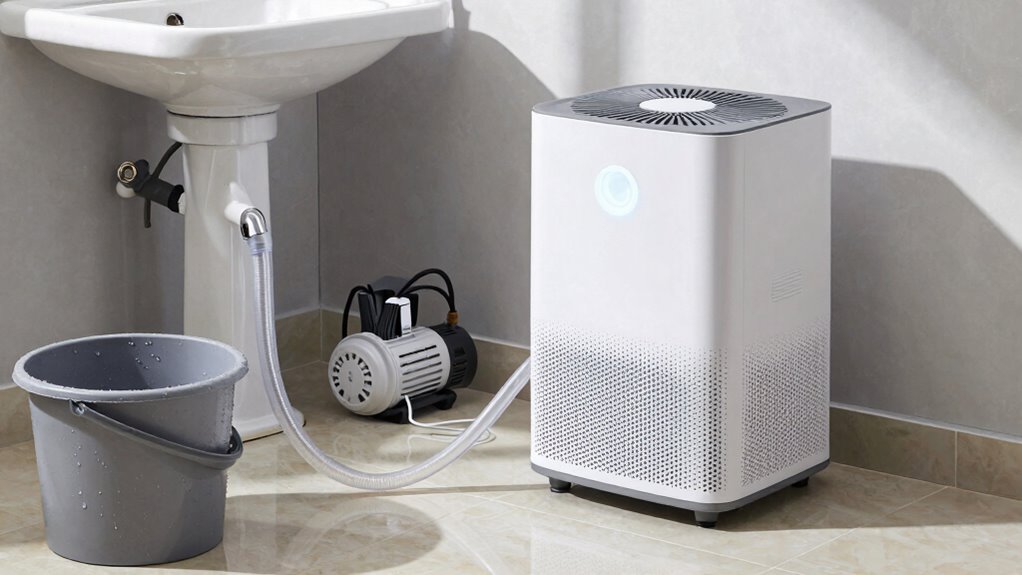

Choosing the right drainage method for your dehumidifier depends on your space and convenience needs. If you want hassle-free operation, a hose connection or condensate pump offers continuous drainage without regular effort. A bucket may work for small spaces or infrequent use, but requires manual emptying. Considering your setup and how often you want to check the unit can help you pick the best option—discover how each method fits your situation as you explore further.

Get oils, diffusers and self-care delivered free with Prime
- Fast, free delivery on millions of items
- Prime Video, Amazon Music and more included
- Member-only deals all year
Key Takeaways
- Buckets are simple but require manual emptying, suitable for small spaces or infrequent use.
- Drain hoses enable continuous, gravity-based drainage to nearby drains, reducing maintenance.
- Pump systems actively move water to distant or elevated drains, ideal when gravity drainage isn’t feasible.
- Choice depends on space layout, drain accessibility, and desired convenience level.
- Regular maintenance ensures effective drainage regardless of the method used.
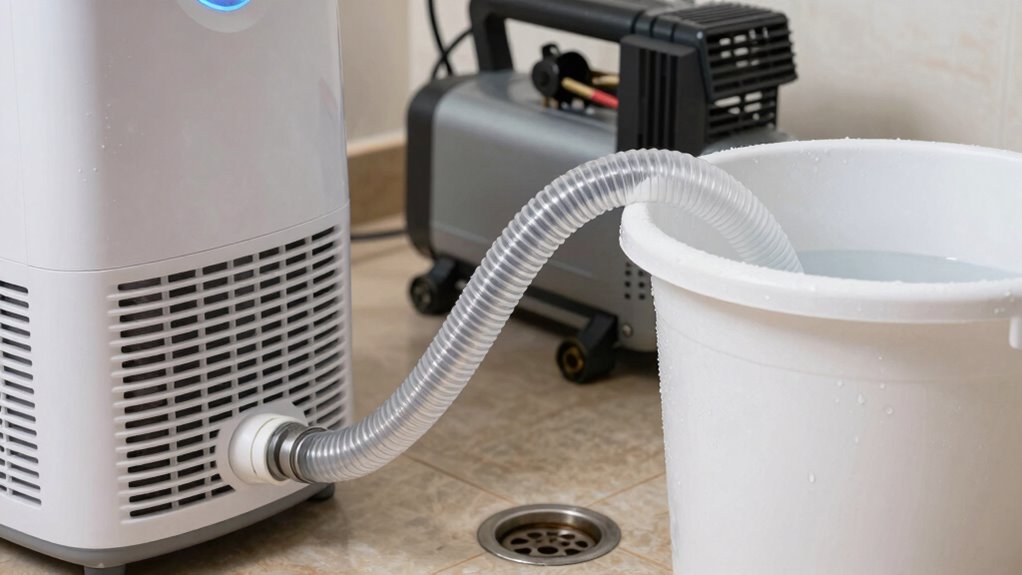
Dehumidifiers are vital for maintaining a comfortable and healthy indoor environment, but managing the collected moisture requires effective drainage options. When it comes to water collection methods, you need to decide how you’ll handle the water that the dehumidifier gathers. Proper humidifier maintenance isn’t just about cleaning filters; it also involves ensuring that the water drains properly to prevent mold, odors, or damage. Without a clear drainage plan, your dehumidifier could become less effective or even cause issues in your space. Additionally, considering the integration of smart home technology can help you monitor and automate humidity control more efficiently. One common water collection method is using a bucket or water reservoir built into the unit. This approach is straightforward—you simply empty the bucket when it fills up. It’s convenient for small spaces or units with infrequent use, but it does require regular attention. If you forget to empty the bucket, the dehumidifier may shut off automatically to prevent overflow. This method works well if you’re home often enough to monitor it, but it can be a hassle over time, especially in larger or heavily humid environments. Alternatively, many dehumidifiers offer a drain hose connection, allowing continuous drainage to a nearby floor drain or a drainpipe. This setup is ideal if you want to minimize manual intervention. You’ll need to ensure the hose is properly attached and positioned at a slight downward angle to facilitate gravity-fed water flow. This method is especially useful in basements or laundry rooms where a drain is readily available. It streamlines humidifier maintenance because you don’t have to worry about emptying a bucket, and it keeps your space dry and free of excess moisture consistently. The most advanced option involves installing a condensate pump. This device actively moves water from the dehumidifier to a drain location, regardless of the drain’s position relative to the unit. Pumps are great if your drain is located higher or farther away, or if gravity drainage isn’t feasible. They require a bit more setup and maintenance but provide maximum convenience. Pumped drainage ensures your dehumidifier operates continuously without interruption, especially in commercial or larger-scale applications. Ultimately, your choice depends on your space, convenience, and the level of humidity control you need. If you prefer minimal fuss, a drain hose or pump can save you time and effort. If you’re okay with regular upkeep, a bucket might suffice. Whichever water collection method you choose, just remember that proper drainage is vital for effective humidifier maintenance and keeping your indoor environment comfortable.
As an affiliate, we earn on qualifying purchases.
Frequently Asked Questions
Can I Switch Between Drainage Options Easily?
Yes, you can switch between drainage options easily if your dehumidifier supports different drainage installation methods. Just make certain the drainage compatibility matches your chosen method, like a hose, pump, or bucket. Check the user manual for instructions on how to change setups safely. Most models are designed for simple swaps, but verifying compatibility beforehand helps avoid leaks or damage. Always follow the manufacturer’s guidelines for a smooth transition.
What Maintenance Is Required for Each Drainage Method?
Think of your drainage system as a well-tuned machine needing care to run smoothly. For a hose, check for clogs and leaks regularly; a pump requires cleaning and filter replacement; and a bucket needs frequent emptying and cleaning. Follow a simple maintenance schedule to prevent issues, guaranteeing your dehumidifier continues to operate efficiently. Regular upkeep keeps your system reliable, just like tending a garden ensures healthy growth.
Are There Safety Concerns With Continuous Drainage?
Yes, there are safety concerns with continuous drainage. You should always prioritize electrical safety by ensuring your dehumidifier is properly grounded and plugged into a GFCI outlet. Avoid water damage risks by regularly checking hoses or pumps for leaks or blockages. If you notice any electrical issues or water leaks, turn off the unit immediately and inspect it to prevent potential hazards or damage.
Which Drainage Option Works Best in Humid Climates?
In humid climates, using a hose for continuous drainage works best. It guarantees consistent drainage, maintaining ideal humidity levels and preventing water buildup. This option offers high drainage efficiency, so you won’t need to empty a bucket often. If your dehumidifier is positioned far from a drain, a pump can help improve drainage efficiency. Choose the hose for simplicity and reliability in managing high humidity.
How Does Drainage Choice Affect Dehumidifier Lifespan?
You might notice that your drainage choice directly impacts your dehumidifier’s lifespan. Using a consistent, reliable drainage method like a hose or pump keeps it running efficiently, reducing water damage risks and preventing motor strain. On the other hand, frequently emptying a bucket can cause neglect or overuse, leading to wear and tear. So, selecting the right drainage option preserves your unit’s dehumidifier efficiency and extends its longevity.
Conclusion
Choosing the right drainage option is like finding the perfect pathway for your dehumidifier’s water to flow. Whether you opt for a hose, pump, or bucket, each path offers its own adventure and convenience. Think of it as guiding a stream—smooth and effortless with the right setup. So, pick the route that suits your space and lifestyle, and let your dehumidifier do its dance, keeping your home fresh and dry without missing a beat.
Halloween Picks
halloween
As an affiliate, we earn on qualifying purchases.