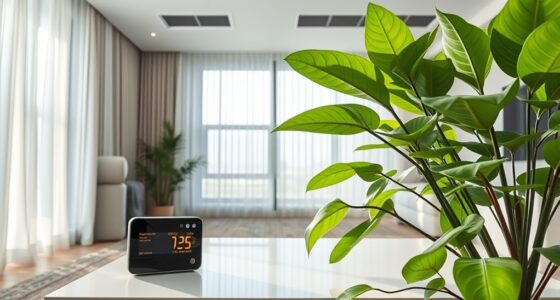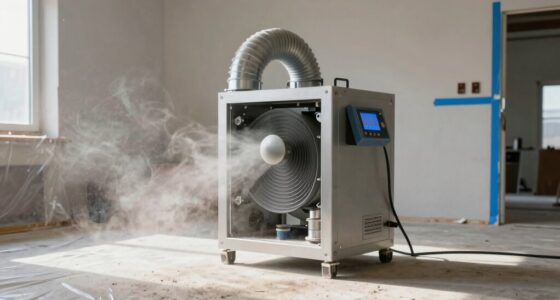

If you feel congested, your nasal passages are inflamed, often due to allergies, cold, or irritants, causing a blocked or stuffy nose. Breathing poor air, however, involves broader issues like pollutants, mold, or chemicals in your environment that affect your entire respiratory system, leading to headaches, fatigue, or shortness of breath. Identifying whether your symptoms come from nasal congestion or poor air quality can help you find the right solutions—more details ahead.

Get oils, diffusers and self-care delivered free with Prime
- Fast, free delivery on millions of items
- Prime Video, Amazon Music and more included
- Member-only deals all year
Key Takeaways
- Feeling congested typically involves nasal blockage, while poor air quality causes overall breathing difficulty and throat irritation.
- Congestion often fluctuates with allergens or colds; poor air quality symptoms persist regardless of triggers.
- Nasal congestion is usually accompanied by sneezing and itchy eyes; poor air quality may cause headaches and fatigue.
- Improving ventilation alleviates poor air quality symptoms but may not resolve nasal congestion caused by allergies.
- Persistent breathing issues despite allergy treatment suggest indoor air quality problems rather than congestion alone.

Have you ever wondered whether your stuffy nose is just congestion or a sign that you’re breathing in poor air? It’s a common question, especially when you notice persistent symptoms that seem to stick around. Your indoor air quality plays a significant role here—poor ventilation, mold, dust, and chemicals can all diminish the air you breathe inside your home or office. Unlike a simple cold or allergies, breathing in poor indoor air can cause symptoms that feel similar but stem from different causes. Recognizing the difference can help you take appropriate action, whether that’s improving ventilation or seeking medical advice for allergic reactions.
Your stuffy nose may be from poor indoor air quality, not just allergies or a cold.
When your nose feels congested, it’s often due to temporary inflammation of the nasal passages, which can happen from allergies, colds, or even irritants in the environment. Allergic reactions are a common cause of congestion, triggered by allergens like pollen, pet dander, or dust mites. If your congestion is allergy-related, it might come with other signs like sneezing, itchy eyes, or a scratchy throat. These symptoms tend to fluctuate with exposure, getting worse when you’re around specific triggers. Conversely, if your congestion persists despite allergy medications or lasts for weeks without relief, it might be linked to poor indoor air quality.
Poor indoor air quality doesn’t just cause nasal congestion; it can also lead to broader respiratory issues. Breathing in pollutants, mold spores, or volatile organic compounds (VOCs) can irritate your lungs and airways, making you feel short of breath or experiencing a general sense of breathlessness. Unlike allergies, which often involve itching and sneezing, poor air quality may cause symptoms like headaches, fatigue, or a lingering cough. If your symptoms improve when you go outdoors or ventilate your space better, chances are the indoor environment is contributing to your discomfort. Additionally, indoor air pollution can be a significant factor affecting your overall respiratory health. Regularly testing and monitoring your indoor environment can help identify sources of air contaminants that might be affecting you. Implementing air quality solutions such as air purifiers and sensors can further improve your living space. Being aware of the sources of indoor pollutants can help you take targeted steps to reduce exposure and enhance your wellbeing.
It’s essential to pay attention to the context of your symptoms. Allergic reactions tend to be linked to specific triggers and may be seasonal or year-round, depending on your allergies. On the other hand, issues caused by indoor air quality often improve with better ventilation, air purifiers, or cleaning routines aimed at reducing pollutants. Understanding the causes of poor indoor air and their impact on health can guide you toward more effective solutions. Recognizing whether your discomfort is allergy-related or due to poor indoor air quality helps you decide whether to seek allergy treatments or focus on improving your environment. In either case, staying aware of your surroundings and symptoms will guide you to better breathe and a healthier indoor space.
air purifier for indoor air quality
As an affiliate, we earn on qualifying purchases.
As an affiliate, we earn on qualifying purchases.
Frequently Asked Questions
How Long Does It Take to Feel Relief From Congestion?
You can start feeling relief from nasal congestion within 15 to 30 minutes after using a decongestant or nasal spray. Typically, the relief timeline varies depending on the treatment and severity of congestion. If you’re using natural remedies like steam or saline rinses, it might take a bit longer, around a few hours. Consistency and the cause of congestion influence how quickly you experience relief.
Can Allergies Cause Poor Air Quality Symptoms?
Like a fog rolling in, allergies can mimic the effects of poor air quality, making your breathing feel heavy and strained. Allergy triggers, such as pollen, pet dander, or mold, can inflame your airways, creating symptoms similar to those caused by air pollution. While these symptoms may overlap, understanding that allergies can produce poor air quality sensations helps you better identify and manage your breathing struggles effectively.
Are Certain Times of Day Worse for Breathing Issues?
Yes, certain times of day can worsen your breathing issues. Typically, mornings and evenings are more problematic due to increased air pollution and weather changes, like temperature drops or humidity shifts. During these times, pollutants such as vehicle emissions and allergens tend to concentrate, making it harder for you to breathe comfortably. Staying indoors during peak pollution hours and monitoring weather updates can help you manage your breathing better.
How Can I Test Indoor Air Quality Myself?
To test your indoor air quality yourself, start with DIY air testing kits available online or at hardware stores—they’re easy to use and give quick results. While testing, consider using an air purifier with a HEPA filter to improve air quality. When selecting an air purifier, look for one suited to your room size and capable of filtering common pollutants, dust, and allergens. Regular testing helps you identify issues and maintain a healthier indoor environment.
What Are Quick Remedies for Sudden Breathing Difficulty?
When breathing becomes suddenly difficult, try quick remedies like taking deep, slow breaths, and sitting upright to ease airflow. Use emergency measures such as inhaling steam or using a humidifier to loosen lung lock. Home remedies like sipping warm water or practicing gentle breathing exercises can help calm your airway. If symptoms worsen or persist, seek immediate medical attention to prevent further breathing distress.
Conclusion
Understanding whether you’re feeling congested or just breathing poor air helps you take the right steps to breathe easier. Congestion might clear up with simple remedies, while poor air quality calls for more serious measures like improving ventilation. Don’t wait until you’re gasping for air—it’s better to address the problem early. Remember, it’s better to be safe than sorry, so listen to your body and act accordingly to stay healthy and breathe freely.
Halloween Picks
halloween
As an affiliate, we earn on qualifying purchases.