When you keep windows shut, indoor pollutants like dust, pet dander, chemicals, and mold spores quickly accumulate, posing health risks like headaches and breathing issues. Relying only on open windows isn’t practical when weather or external pollution interfere. Instead, managing airflow with mechanical ventilation, exhaust fans, and air purifiers helps prevent rapid buildup. Staying proactive in your ventilation approach is key. If you want to learn more about effective strategies, keep exploring this topic.

Get oils, diffusers and self-care delivered free with Prime
- Fast, free delivery on millions of items
- Prime Video, Amazon Music and more included
- Member-only deals all year
Key Takeaways
- Indoor pollutants accumulate rapidly when windows remain closed, leading to health issues.
- Relying solely on opening windows is ineffective due to external conditions or safety concerns.
- Mechanical ventilation and air purification are essential to manage indoor air quality without window access.
- Routine maintenance and real-time monitoring help prevent pollutant buildup in sealed environments.
- Proactive airflow management is crucial to maintain fresh indoor air when windows cannot be opened.
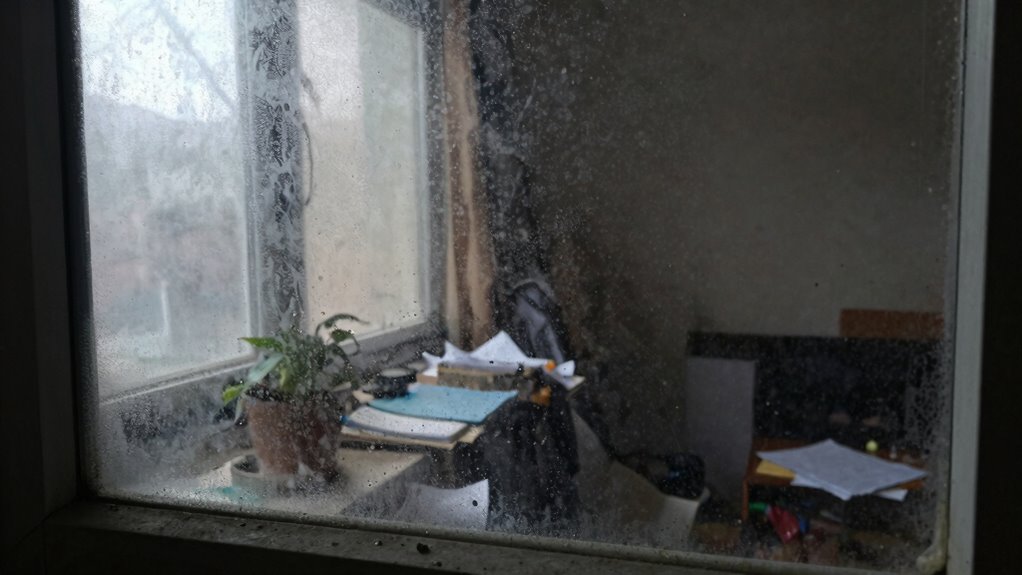
Have you ever wondered why some problems seem impossible to solve despite your best efforts? One common issue is the “closed window” problem, where indoor air quality quickly deteriorates because windows remain shut, trapping pollutants inside. It’s frustrating because, on the surface, it seems simple—just open a window, right? But in many situations, opening windows isn’t practical or safe, leaving you stuck with stale, polluted air building up faster than you realize.
Sometimes keeping windows closed traps indoor pollutants, making fresh air hard to access safely.
When you keep windows closed, pollutants like dust, pet dander, airborne chemicals, and even mold spores accumulate indoors. Over time, these contaminants can cause health issues, especially if you already have allergies or respiratory conditions. The air inside becomes thick and heavy, and you might notice symptoms like headaches, fatigue, or difficulty breathing. This buildup happens rapidly, especially in tightly sealed environments where Proper ventilation methods can help prevent this issue from escalating. Using air exchange techniques is essential to maintain a healthy indoor environment.
This is where understanding indoor air quality and ventilation strategies becomes vital. Improving indoor air quality isn’t just about opening windows; it’s about managing airflow effectively. Ventilation strategies involve a combination of methods to reduce pollutant levels without compromising comfort or safety. Mechanical ventilation systems, like exhaust fans or air purifiers, can help introduce fresh air and remove stale, polluted air from inside your home. Using HEPA filters or air purifiers with activated carbon can trap airborne particles and chemicals, substantially improving air quality without needing to open windows. Additionally, understanding airflow management can help you design a more effective ventilation plan tailored to your home’s specific needs.
In many cases, you can optimize ventilation strategies by ensuring that your home’s airflow is balanced. For example, using exhaust fans in kitchens and bathrooms helps expel humid or contaminated air directly outside. Ventilating during specific times of the day, when outdoor air quality is better, can also make a difference. If outdoor pollution or weather conditions prevent you from opening windows, these strategies become even more important. Implementing ventilation controls can further enhance indoor air quality by adjusting airflow based on real-time conditions. Additionally, routine maintenance of HVAC systems and filters ensures they operate efficiently, preventing pollutants from recirculating. Regularly monitoring indoor air quality can help you identify when ventilation adjustments are needed.
Ultimately, the “closed window” problem highlights the importance of proactive ventilation strategies to maintain good indoor air quality. You can’t always rely on simply opening windows, especially when external conditions or safety concerns prevent it. Instead, by understanding and implementing effective ventilation solutions, you can keep the indoor environment healthier, fresher, and more comfortable. Recognizing the rapid buildup of indoor pollutants reinforces why managing airflow should be a priority—so you’re not left battling a stale, polluted indoor atmosphere that builds up all too quickly.
HEPA air purifier for indoor air quality
As an affiliate, we earn on qualifying purchases.
As an affiliate, we earn on qualifying purchases.
Frequently Asked Questions
How Often Should I Ventilate My Home to Prevent Buildup?
You should ventilate your home at least once or twice daily to maintain good air quality. Aim for about 5-10 minutes of fresh air exchange during each session, especially if the windows have been closed for a long time. Proper ventilation frequency helps remove indoor pollutants and humidity buildup, reducing stuffiness and mold risk. Regularly airing out your space guarantees fresh air circulates, keeping your indoor environment healthier and more comfortable.
Can Indoor Plants Help Reduce the “Closed Window” Problem?
Indoor plants can be your secret weapon against poor air quality, making it seem like you’re breathing in fresh mountain air every day. They naturally filter toxins and boost humidity, which helps combat the “closed window” problem. Plant benefits go beyond aesthetics—they actively improve indoor air, reducing pollutants and odors. So, adding a few greenery allies can dramatically enhance your home’s ventilation and overall air quality.
What Are the Health Risks of Poor Indoor Air Quality?
Poor indoor air quality poses serious health risks, especially from airborne pollutants that can cause or worsen respiratory issues. You might experience coughing, wheezing, or allergies, and prolonged exposure can lead to chronic respiratory problems. To protect your respiratory health, make certain proper ventilation, reduce sources of indoor pollution, and consider air purifiers. Staying aware of air quality helps you create a healthier indoor environment and minimizes these health risks.
Are There Specific Times of Day Best for Airing Out Rooms?
You should air out rooms early in the morning or late in the evening, when outdoor air tends to be cooler and more humid, reducing window condensation. Notably, indoor humidity levels peak midday, making those times less ideal. Proper ventilation helps control indoor humidity, preventing mold and allergens. By timing your airing out, you improve air quality and avoid moisture buildup, creating a healthier living space.
How Do Air Purifiers Compare to Natural Ventilation?
Air purifiers often offer higher efficiency in filtering out pollutants like dust, pollen, and allergens compared to natural ventilation. While natural ventilation benefits include fresh air and reduced indoor pollutants, it depends on outdoor conditions and can introduce outdoor allergens. Air purifiers provide consistent air cleaning regardless of weather or outdoor air quality, making them a reliable option for maintaining indoor air purity, especially when outdoor ventilation isn’t feasible or effective.
Conclusion
By keeping windows closed, you’re trapping indoor pollutants, which can build up quickly—sometimes reaching levels five times higher than outdoor air. Did you know that indoor air quality can be up to 10 times more polluted than outside? Regularly opening windows not only refreshes the air but also reduces health risks. Don’t let the “closed window” problem sneak up on you—make ventilation a daily habit to breathe easier and stay healthier indoors.
Halloween Picks
halloween
As an affiliate, we earn on qualifying purchases.