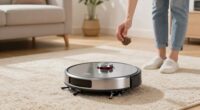
You might think fresh scents mean clean air, but that’s not always true. Pleasant smells often mask underlying pollutants like dust, mold, or chemicals that you can’t see or smell. True clean air means removing these hidden contaminants, not just covering them up with scents. Air purifiers with HEPA, carbon, and UV filters are essential for genuine purification. Keep exploring to discover how you can guarantee your indoor air is truly clean and safe.

Get oils, diffusers and self-care delivered free with Prime
- Fast, free delivery on millions of items
- Prime Video, Amazon Music and more included
- Member-only deals all year
Key Takeaways
- Fresh scents often mask underlying pollutants, not indicate genuine air purity.
- True clean air is free from invisible contaminants like dust, mold, chemicals, and bacteria.
- Masking odors with fragrances doesn’t eliminate harmful airborne particles.
- Effective purification involves removing or neutralizing pollutants, not just covering smells.
- Regular air quality testing ensures actual cleanliness beyond scent perception.
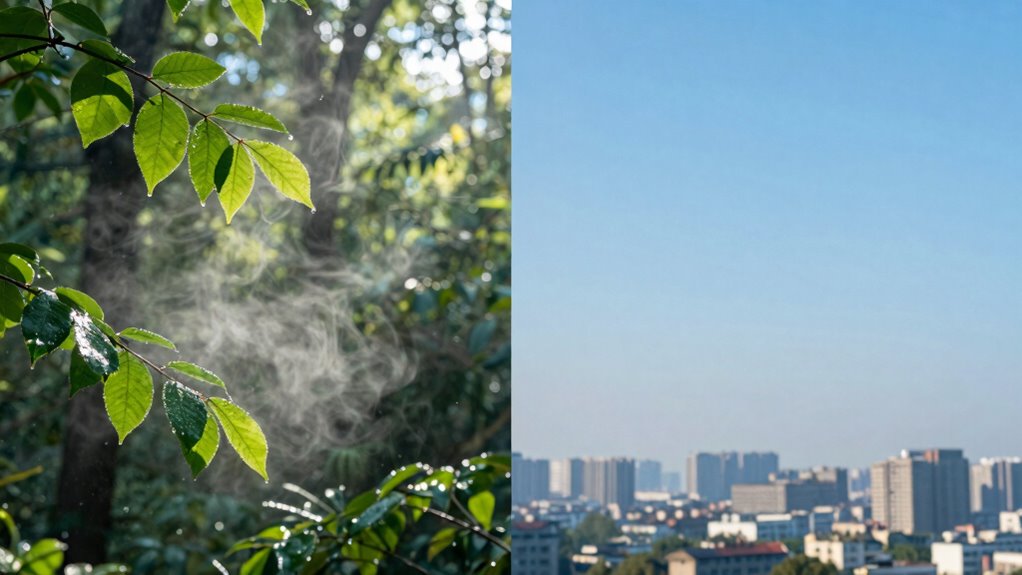
Have you ever wondered whether the air that smells fresh is truly cleaner than air that simply lacks a scent? It’s a common question, and understanding the difference requires looking beyond surface impressions. Fresh scents don’t necessarily mean the air is free from pollutants. Indoor air quality is complex, influenced by many factors like dust, mold, chemicals, and even bacteria. You might notice a pleasant aroma from scented candles or air fresheners, but these often mask underlying issues rather than address them. To truly improve indoor air quality, you need to focus on effective air purification techniques that target pollutants rather than just scents.
Fresh scents don’t guarantee clean air—true purity comes from targeted purification, not just masking odors.
When you rely solely on smells to judge cleanliness, you risk overlooking harmful particles invisible to the naked eye. Air purification techniques such as HEPA filters, activated carbon filters, and UV sterilization are designed to remove or neutralize airborne contaminants. HEPA filters, for instance, trap tiny particles like pollen, pet dander, and smoke, significantly improving indoor air quality. Activated carbon filters absorb volatile organic compounds (VOCs) and odors, helping to eliminate persistent smells that could be masking poor air quality. UV sterilizers kill bacteria and viruses, reducing the risk of airborne illnesses. Combining these methods provides a comprehensive approach, ensuring that the air you breathe is genuinely cleaner, not just artificially scented. Regular maintenance of air filtration systems is essential to keep them functioning effectively.
You might think that opening windows or using air fresheners is enough to refresh your environment, but these methods often only cover up problems temporarily. True air cleanliness involves reducing pollutants at their source and filtering the air continuously. Regular maintenance of HVAC systems and using portable air purifiers with multiple filtering stages can make a significant difference. These systems actively work to remove pollutants, allergens, and odors, leading to a healthier indoor environment. When you invest in proper air purification techniques, you’re not just chasing a fresh scent—you’re ensuring that your indoor air quality is genuinely high. Incorporating air filtration technology effectively is key to achieving this goal.
Being aware of indoor air pollutants and how they affect health can help you make better choices about air purification. In addition, understanding the role of air quality testing can help you identify specific issues in your environment. In the end, the smell of fresh air doesn’t guarantee its purity. What matters most is the absence of harmful contaminants that can affect your health over time. So, instead of equating freshness with cleanliness, focus on effective methods to purify the air. This way, you’ll enjoy truly clean air—air that’s healthier, safer, and free from invisible pollutants, regardless of how it smells. Regularly testing your indoor air quality can provide valuable insights into the effectiveness of your purification efforts.
HEPA air purifier for dust and allergens
As an affiliate, we earn on qualifying purchases.
As an affiliate, we earn on qualifying purchases.
Frequently Asked Questions
Can Clean-Smelling Air Contain Harmful Pollutants?
Yes, clean-smelling air can contain harmful pollutants. Chemical masking often hides unpleasant odors but doesn’t remove hidden toxins, making the air seem fresh while still being unsafe. You might breathe in volatile organic compounds (VOCs) or other pollutants that aren’t detectable by smell. Always check for invisible hazards, as that fresh scent doesn’t guarantee the air is truly clean or safe for your health.
How Long Does It Take for Air to Feel Genuinely Clean?
Imagine a invigorating, inviting air—how long does it take to get there? Usually, with effective air filtration and odor masking, you’ll start noticing a genuinely clean feel within 15 to 30 minutes. Factors like room size, ventilation, and filter quality matter. Trust that with consistent effort, your space will soon smell and feel revitalizingly pure, turning your environment into a true oasis of clean air.
Are Air Fresheners Safe for Allergy Sufferers?
Air fresheners aren’t always safe for allergy sufferers because they can impact air quality and alter scent perception, sometimes releasing irritants or allergens into the air. If you have allergies, consider natural alternatives like essential oils or improving ventilation instead. Always read labels carefully, and consult with your doctor if you’re unsure about specific products. Better air quality can help reduce allergy symptoms and improve your overall comfort.
Does Fragrance Masking Eliminate All Airborne Bacteria?
Fragrance masking doesn’t eliminate all airborne bacteria. While it improves fragrance effectiveness by covering odors, it doesn’t target or kill bacteria. Instead, it simply conceals smells without addressing the root cause. For true bacteria elimination, you need disinfectants or air purifiers with HEPA filters. Relying solely on fragrance masking leaves bacteria in the air, so it’s not an all-encompassing solution for clean, healthy indoor environments.
Can Plants Improve Both Clean Air and Smell?
Yes, plants can improve both clean air and smell through plant purification, naturally filtering airborne toxins and pollutants. They release natural fragrances that freshen the environment, making indoor spaces more inviting and pleasant. By choosing plants like jasmine or lavender, you enhance air quality and enjoy their soothing scents simultaneously. Incorporating plants into your home is a simple, effective way to boost air cleanliness and add natural fragrances effortlessly.
Conclusion
So, next time you take a deep breath, remember: clean air isn’t just about the scent, it’s about the absence of pollutants. Clean-smelling air might seem pure, but true cleanliness lies in air free from harmful chemicals and particles. Breathe in awareness, breathe out complacency. Seek fresh air, cherish pure air, and prioritize real cleanliness over just the scent. Because when it comes to your health, it’s not just about smelling good—it’s about truly breathing well.
Halloween Picks
halloween
As an affiliate, we earn on qualifying purchases.