When water tastes bad, you’re likely to drink less, which can lead to dehydration and health issues. Unpleasant taste discourages you from reaching for water, even if you’re thirsty. This reduction in intake means you might not stay properly hydrated, impacting your energy and overall health. Fortunately, improving water quality through filtration and flavor enhancements can help. Keep exploring to discover more ways to stay hydrated and keep your water tasting great.
Key Takeaways
- Bad-tasting water discourages consumption, leading to decreased overall hydration and potential health risks.
- Improving water taste through filtration encourages increased drinking, supporting better hydration habits.
- Flavor enhancement strategies make water more appealing, motivating regular intake despite initial taste issues.
- Addressing contaminant sources and maintaining filtration systems ensures consistent water quality and taste.
- Better-tasting water reduces avoidance, resulting in higher consumption and improved hydration levels.
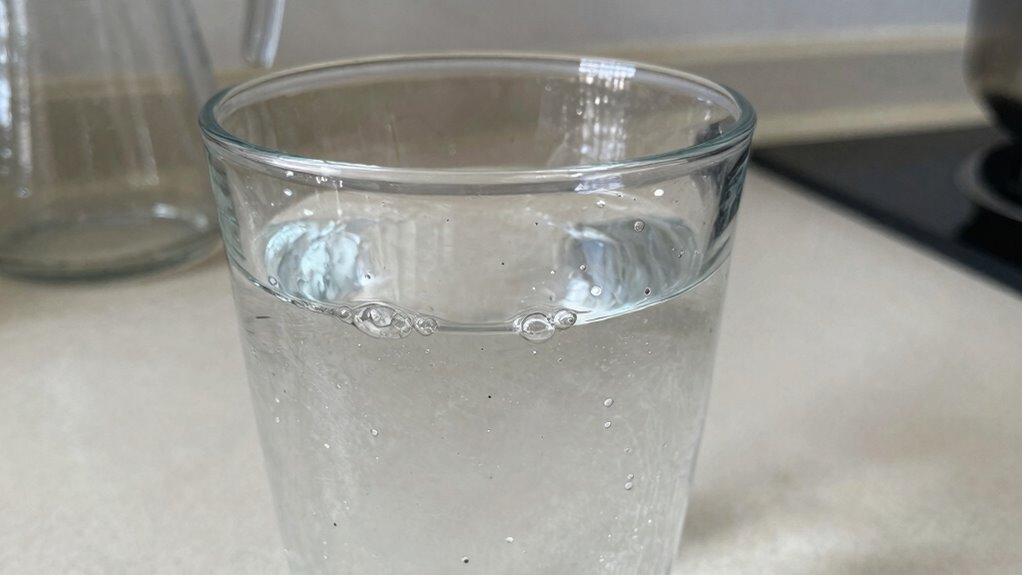
If your tap water tastes bad, you’re probably drinking less of it than you should. That unpleasant taste can make you hesitant to reach for a glass, even when you’re thirsty. But avoiding water altogether isn’t the answer. Instead, focus on improving its flavor through effective water filtration and flavor enhancement strategies. When you filter your water, you remove impurities, chemicals, and odors that contribute to bad taste. This simple step can make a huge difference, encouraging you to drink more and stay properly hydrated. A good water filtration system targets the root causes of bad taste, whether it’s chlorine, heavy metals, or organic compounds, giving you cleaner, better-tasting water straight from the tap.
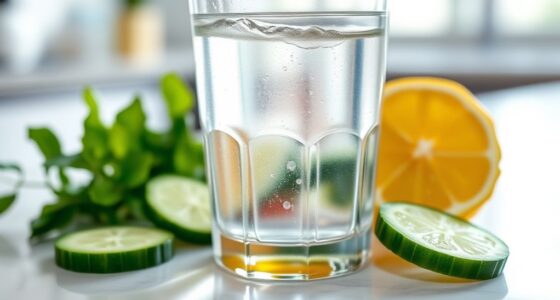
Once your water is filtered, you can explore flavor enhancement options to make drinking water more enjoyable. Adding fresh fruit slices like lemon, lime, or berries can brighten the flavor without adding sugar or calories. Herbs like mint can also give your water a refreshing twist. These small changes make drinking water feel more like a treat rather than a chore, increasing your motivation to hydrate regularly. When your water tastes better, you’re naturally inclined to drink more, which benefits your overall health and well-being. Incorporating water quality improvements can further enhance your drinking experience by addressing the specific impurities that affect taste. Improving indoor air quality can also contribute to a healthier environment, making your home more comfortable overall. Additionally, maintaining proper air filtration can help prevent odors and airborne contaminants that might indirectly influence your perception of water quality. Regularly assessing and upgrading your water treatment systems ensures ongoing improvements in taste and safety. Furthermore, understanding contaminant sources can help you choose the most effective filtration methods for your needs.

Brita Faucet Mount Water Filter System, Includes 1 Filter, White
- Easy faucet attachment: No tools required for installation
- Healthier, great-tasting water: Reduces impurities for better flavor
- Eco-friendly and cost-saving: Replaces up to 1,800 plastic bottles annually
As an affiliate, we earn on qualifying purchases.
As an affiliate, we earn on qualifying purchases.
Frequently Asked Questions
Can Water Taste Improve Over Time Without Treatment?
Yes, water taste can improve over time without treatment through natural flavor enhancement. As water sits, especially in sealed containers, gases and impurities may dissipate, leading to taste improvement. You can also try adding natural flavor enhancers like a slice of lemon or cucumber to boost flavor, making it more appealing. Keep in mind, however, that persistent bad taste might indicate contamination, so consider proper treatment if issues continue.
Does Bad-Tasting Water Affect Hydration Levels Differently?
Bad-tasting water can markedly affect your hydration levels because it alters your taste perception, making you less willing to drink enough. When the flavor is off, you might sip less or avoid water altogether, leading to dehydration. To improve this, consider flavor enhancement options like adding a slice of lemon or using a water filter. These simple steps can help you stay properly hydrated despite initial unpleasant taste.
Are There Health Risks Associated With Drinking Poor-Tasting Water?
Drinking poor-tasting water can pose health risks, especially if it causes mineral imbalance or pH fluctuation. These issues may lead to gastrointestinal discomfort, kidney strain, or long-term health problems. The bad taste might also signal contamination or high mineral content, which could harm your health. It’s essential to test and treat your water to maintain a balanced mineral level and stable pH, ensuring safe hydration and minimizing health risks.
How Quickly Does Water Taste Change After Contamination?
You’ll notice a change in flavor perception within minutes to hours after contamination begins. The contamination timeline varies, depending on the contaminant type and source. Some contaminants, like chemicals, may alter taste quickly, while bacteria might take longer to affect flavor. Keep in mind, a sudden or unusual taste change often signals contamination, so it’s best to test your water immediately and avoid drinking until it’s confirmed safe.
What Are the Most Common Causes of Bad-Tasting Tap Water?
The most common causes of bad-tasting tap water relate to water quality and taste perception. You might notice a metallic, chlorine, or sulfur smell due to treatment processes or natural minerals. Contaminants like bacteria or algae can also affect flavor. Often, aging pipes or plumbing issues influence taste perception, making water seem off. Regular testing and maintenance help guarantee your water stays fresh and safe to drink.
Conclusion
If your water doesn’t taste right, it’s harder to drink enough, harder to stay hydrated, and harder to feel your best. When water’s unpleasant, you skip sips, skip health, and skip energy. But when water tastes good, you drink more, you nourish more, and you thrive more. Remember, your hydration depends on your water’s taste—choose clarity, choose health, choose to drink enough every day.