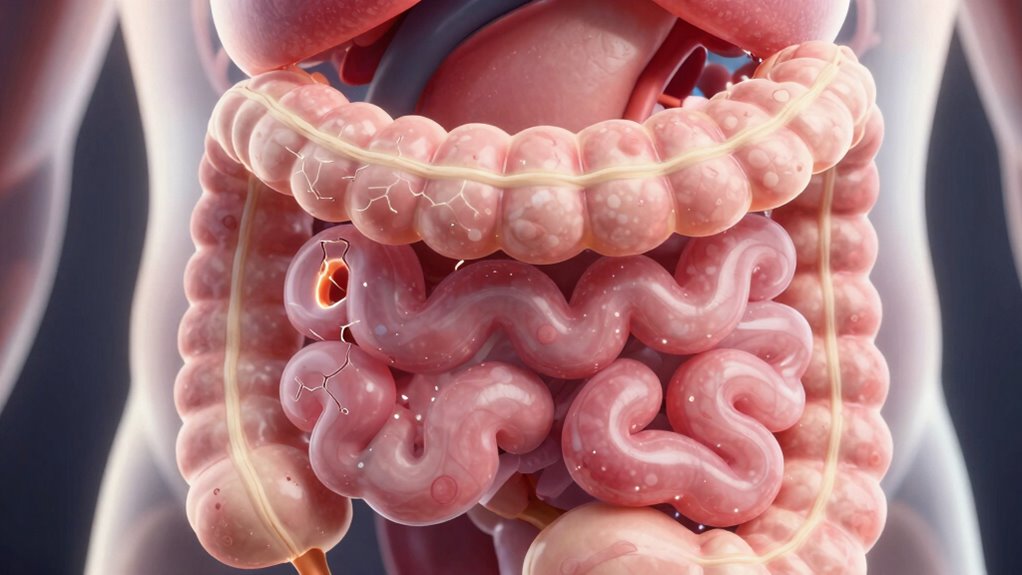

Leaky gut is when your gut lining becomes too permeable, allowing harmful stuff like undigested food, toxins, and bacteria to pass into your bloodstream. Normally, your gut acts as a filter, letting nutrients through while blocking bad materials. When this barrier weakens, it triggers inflammation and immune responses that can cause health problems. If you want to understand how this affects your body and how to fix it, there’s more to discover ahead.

Get oils, diffusers and self-care delivered free with Prime
- Fast, free delivery on millions of items
- Prime Video, Amazon Music and more included
- Member-only deals all year
Key Takeaways
- Leaky gut means the intestinal lining becomes more permeable, allowing harmful substances to pass into the bloodstream.
- Normally, the gut acts as a filter, but when leaky, larger particles like toxins and undigested food can slip through.
- It results from loosened tight junctions between gut cells, triggering immune responses and inflammation.
- An imbalanced gut microbiome can weaken the gut barrier, making leaky gut more likely.
- Maintaining gut health involves diet, reducing stress, and possibly supplements to repair the barrier.
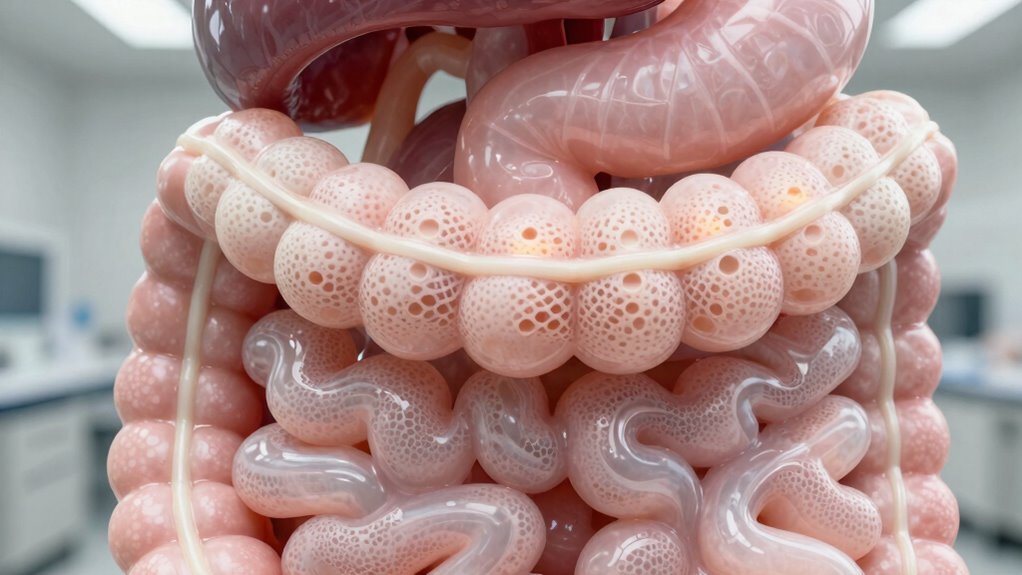
Many health experts believe that leaky gut, or increased intestinal permeability, may be behind a wide range of health issues you experience daily. At its core, leaky gut means that the lining of your small intestine becomes more permeable than it should be. Normally, your gut lining acts like a filter, allowing nutrients from food to pass into your bloodstream while blocking harmful substances. But when this lining becomes compromised, larger particles—like undigested food, toxins, and bacteria—can slip through the cracks. This breach can trigger inflammation and immune responses, which may contribute to a variety of health problems.
Understanding the role of your gut microbiome is vital here. Your gut microbiome is the trillions of bacteria, viruses, and fungi living inside your digestive system. It’s fundamental for digestion, nutrient absorption, and immune regulation. When your microbiome is balanced, it helps maintain the integrity of your intestinal lining. But factors like poor diet, stress, antibiotics, or infections can disrupt this delicate ecosystem. An imbalanced microbiome can weaken your gut barrier, increasing intestinal permeability. Essentially, a healthy microbiome acts as a support system that keeps your gut lining tight and functional, while a disrupted one leaves it vulnerable to leaks. Supporting a healthy microbiome through lifestyle choices can significantly impact your gut health and overall well-being****.
The increased permeability is what people often refer to as “leaky gut,” but it’s more than just a catchy phrase. It’s a real physiological change where the tight junctions between the cells lining your intestine loosen. These tight junctions act like gatekeepers, controlling what passes through. When they loosen, larger molecules that normally wouldn’t enter your bloodstream can do so. This can set off immune reactions, as your body perceives these particles as threats. Over time, this ongoing immune response can lead to chronic inflammation, which is linked to conditions like autoimmune diseases, allergies, and even some mental health issues. Additionally, gut barrier integrity is crucial for preventing harmful substances from entering the bloodstream and maintaining overall health. Supporting this barrier through nutritional strategies and lifestyle changes is essential for reducing the risk of ongoing health issues. A compromised gut barrier can also be influenced by dysbiosis, or the imbalance of gut microbes, which further exacerbates permeability issues.
Additionally, maintaining a balanced microbiome is essential for supporting intestinal barrier integrity, as it plays a key role in preventing leaks and preserving gut health. Addressing leaky gut involves restoring your gut’s natural barrier. This can mean improving your diet—adding more fiber and fermented foods to support your microbiome—reducing stress, and avoiding unnecessary medications that damage the lining. Supplements like probiotics, glutamine, and omega-3 fatty acids might also help repair and protect your gut lining. Understanding the connection between your gut microbiome and intestinal permeability allows you to see how your daily choices impact your health. When you nurture your gut, you help seal those leaks, reduce inflammation, and support your overall well-being.
As an affiliate, we earn on qualifying purchases.
Frequently Asked Questions
Can Leaky Gut Cause Weight Gain or Loss?
Leaky gut can cause weight changes—either gain or loss—by disrupting gut bacteria and increasing intestinal permeability. When your gut lining becomes more permeable, toxins and undigested food particles can enter your bloodstream, triggering inflammation. This inflammation can lead to weight gain through hormonal imbalances or weight loss if your body reacts by reducing appetite or increasing energy expenditure. Maintaining a healthy gut bacteria balance is key to preventing these effects.
Is Leaky Gut Linked to Autoimmune Diseases?
If you have a compromised gut microbiome, increased intestinal permeability, or “leaky gut,” it can be linked to autoimmune diseases. Imagine Sarah, who notices her symptoms worsening after poor diet and stress; her gut’s barrier becomes more permeable, allowing toxins to enter her bloodstream. This triggers her immune system, potentially leading to autoimmune responses. So, leaky gut may indeed play a role in triggering or worsening autoimmune conditions.
How Is Leaky Gut Diagnosed Clinically?
You can suspect leaky gut through clinical diagnosis by discussing symptoms like bloating, fatigue, or food sensitivities with your healthcare provider. They might order tests to measure intestinal permeability, such as the lactulose-mannitol test, or analyze your gut bacteria through stool tests. These assessments help determine if your gut lining is compromised, allowing substances to pass through abnormally, which is key in diagnosing leaky gut effectively.
Are Certain Foods More Likely to Cause Leaky Gut?
Certain foods are more likely to cause leaky gut because they act as dietary triggers or contribute to food sensitivities. Common culprits include gluten, dairy, processed foods, and added sugars. When you regularly consume these, they can irritate your gut lining, increasing permeability. Paying attention to how your body reacts and reducing these triggers may help restore your gut health and prevent leaky gut symptoms.
Can Lifestyle Changes Fully Heal Leaky Gut?
Sure, lifestyle changes can help, but they might not fully heal leaky gut overnight. You’ll want to focus on restoring your gut flora and supporting your digestive enzymes, which play vital roles. Ironically, even the best diet and habits can’t guarantee complete healing, as individual responses vary. So, while you can make significant progress, sometimes, you need additional support like supplements or medical advice for full recovery.
Conclusion
So, while “leaky gut” might sound alarming, understanding it simply means your gut lining isn’t as tight as it should be. Don’t worry—by making small changes like eating healthier, reducing stress, and avoiding processed foods, you can help repair it. Remember, it’s not about panic but awareness. Taking proactive steps makes a real difference. Your body is resilient, and with the right care, you can restore your gut’s natural barrier.
Halloween Picks
halloween
As an affiliate, we earn on qualifying purchases.