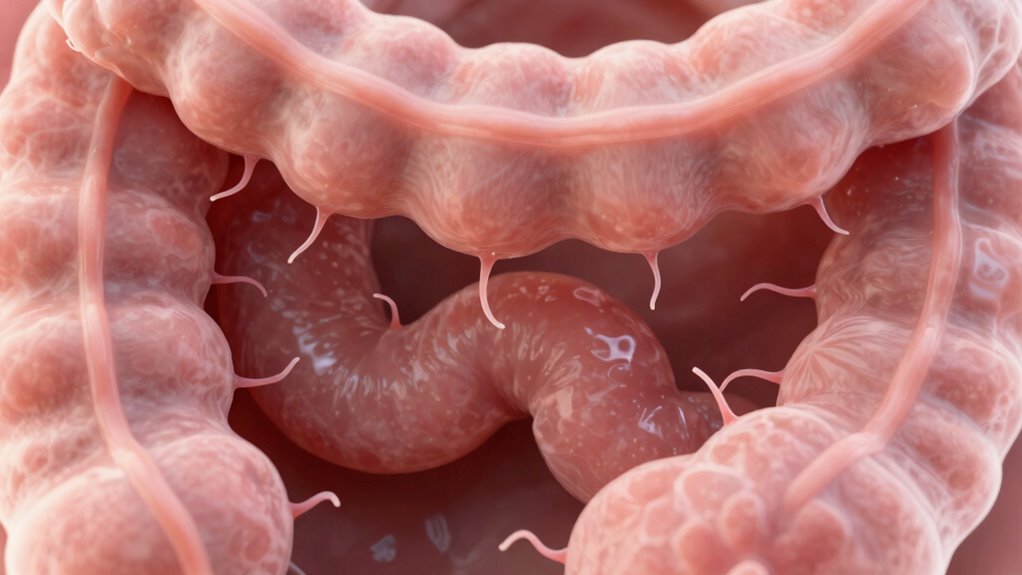

Many people overlook gut motility issues, which affect how your digestive system moves food and can cause bloating, constipation, or diarrhea. Stress, diet, and lifestyle all play a role in disrupting this rhythm, often without you realizing it. Poor gut motility can lead to symptoms like incomplete evacuation or irregular bowel movements. By managing stress, adjusting your diet, and adopting mindful habits, you can improve your digestion. Keep exploring to discover how you can better support your gut health.

Get oils, diffusers and self-care delivered free — and shop member deals
- Fast, free delivery on millions of items
- Access to Prime Big Deal Days deals on October 6–7
- Prime Video, Amazon Music and more included
Key Takeaways
- Many people experience unnoticed gut motility issues like irregular bowel movements or incomplete evacuation.
- Dietary triggers such as processed foods, spicy dishes, or dairy can disrupt gut rhythm.
- Stress and lifestyle factors significantly influence gut motility through hormonal and nervous system effects.
- The gut-brain axis and microbiome health are crucial but often overlooked in digestive health.
- Small lifestyle changes and mindful habits can improve gut motility, but persistent problems require medical consultation.

Have you ever experienced unexplained stomach discomfort or irregular bowel movements? If so, you’re not alone, but what you might not realize is that your gut motility could be the culprit. Gut motility refers to how well your digestive system moves food through your intestines. When this process is disrupted, it can lead to symptoms like bloating, constipation, or diarrhea—yet many people never hear about this specific problem. One common but overlooked cause can be dietary triggers that upset your gut’s rhythm. Certain foods, like processed snacks, spicy dishes, or even dairy, may worsen motility issues, especially if your digestive system is sensitive or inflamed. Recognizing these triggers is key; avoiding or moderating problematic foods can sometimes restore balance. But it’s not just about what you eat. Stress management plays a crucial role in maintaining healthy gut motility. When you’re under stress, your body releases hormones that can slow down or speed up digestion unexpectedly. Chronic stress, in particular, can lead to irregularities in bowel movements or a feeling of incomplete evacuation, even if your diet remains unchanged. Learning how to manage stress—whether through mindfulness, exercise, or relaxation techniques—can have a positive impact on your gut health. Additionally, understanding the importance of biodiversity and ecological balance in supporting human health highlights how interconnected our well-being is with the environment. Recognizing the gut-brain axis as a vital component of digestive health emphasizes the importance of mental and emotional well-being in maintaining proper gut motility. A balanced microbiome is also essential for healthy digestion and can be influenced by diet, lifestyle, and environment. Many people tend to overlook the connection between mental state and digestive function, but your gut and brain are closely linked through the gut-brain axis. Supporting this connection by fostering mental health can significantly influence digestive health and motility. Research has shown that certain lifestyle factors can directly impact gut motility, further emphasizing the importance of holistic approaches. Addressing stress isn’t just about feeling calmer; it’s about supporting your digestive system’s natural rhythm. Combining mindful eating habits with stress management strategies can create a powerful effect on your gut motility. For instance, taking time to eat slowly, chew thoroughly, and avoid rushing meals helps your digestive process work more efficiently. Meanwhile, incorporating activities like deep breathing, meditation, or regular physical activity can lower stress levels, reducing the likelihood of motility disturbances. If you’ve noticed persistent issues despite making these changes, it’s wise to consult a healthcare professional. They can evaluate whether your symptoms stem from a motility disorder or other underlying conditions. Understanding that gut motility problems are more common than many realize can empower you to seek appropriate treatment and make lifestyle adjustments. In the end, paying attention to your dietary triggers and prioritizing stress management can markedly improve your gut health. These small but impactful steps help restore the natural movement of your digestive system, easing discomfort and promoting overall well-being. Remember, your gut’s health isn’t just about what’s happening inside; it’s about how you care for your body and mind in everyday life.
digestive health probiotic supplements
As an affiliate, we earn on qualifying purchases.
As an affiliate, we earn on qualifying purchases.
Frequently Asked Questions
Can Gut Motility Issues Cause Weight Changes?
Yes, gut motility issues can cause weight fluctuations. When your digestive health is disrupted, your stomach may empty too slowly or too quickly, impacting how your body absorbs nutrients and processes food. This can lead to unintended weight gain or loss. If you notice sudden or unexplained changes in weight, it’s essential to take into account gut motility as a possible factor and consult a healthcare professional for proper diagnosis and treatment.
Are Gut Motility Problems Hereditary?
Gut motility problems can be hereditary, especially if you have a family history or genetic predisposition. Your genes may influence how your digestive system moves, increasing your risk. If relatives have experienced similar issues, you’re more likely to develop gut motility concerns. While genetics play a role, lifestyle and environment also contribute, so understanding your family history can help you seek early diagnosis and management.
How Is Gut Motility Disorder Diagnosed?
Think of diagnosing a gut motility disorder as detective work; you gather clues through symptom assessment and diagnostic tools. Your doctor reviews your medical history, asks about symptoms like constipation or diarrhea, and performs tests such as manometry, gastric emptying studies, or endoscopy. These tools help pinpoint how your gut moves, enabling an accurate diagnosis. Trust the process—it’s about piecing together clues to find the root of your discomfort.
Can Diet Improve Gut Motility?
Yes, diet can improve gut motility. Increasing your intake of dietary fiber helps regulate bowel movements and promotes healthy digestion. Avoiding food sensitivities that trigger inflammation or discomfort can also support better gut function. Focus on a balanced diet rich in fiber-rich fruits, vegetables, and whole grains, and identify any specific food sensitivities with your healthcare provider. These changes can make a meaningful difference in your gut health.
Are There Effective Long-Term Treatments?
Yes, there are effective long-term treatments for gut motility issues. You can improve your condition by focusing on a healthy gut microbiome, which involves eating fiber-rich foods and probiotics. Regular exercise routines also help boost gut motility by stimulating intestinal movements. Consistency is key, so maintaining these habits over time supports sustained gut health and reduces symptoms. Always consult a healthcare professional for personalized advice.
Conclusion
If you ignore gut motility problems, you could be unknowingly setting yourself up for a digestive disaster of epic proportions. Imagine your intestines turning into a traffic jam, causing chaos inside your body that spirals into fatigue, bloating, and even more serious health issues. Don’t let this silent epidemic take over your life. Take action now—your gut’s health is the foundation of your entire well-being. Stay aware, stay proactive, and keep that digestive highway running smoothly!
Fall Picks
fall essentials
As an affiliate, we earn on qualifying purchases.