
When you drink alcohol, your liver works hard to detoxify, diverting energy from digestion and disrupting gut bacteria balance. This can damage your gut lining and interfere with enzyme production, leading to bloating, gas, and discomfort. Alcohol also affects stomach acid levels and strains your immune system, prolonging recovery. If you want to understand how these effects stack up and how to ease your next-day symptoms, you’ll find more helpful details ahead.

Get oils, diffusers and self-care delivered free with Prime
- Fast, free delivery on millions of items
- Prime Video, Amazon Music and more included
- Member-only deals all year
Key Takeaways
- Alcohol disrupts gut bacteria balance, causing bloating, gas, and irregular digestion the next day.
- It damages the gut lining and reduces enzyme production, leading to indigestion and discomfort.
- Alcohol alters stomach acid levels, which can cause lingering indigestion and sensation of fullness.
- Liver detoxing diverts energy from digestion, slowing down the digestive process and causing lingering issues.
- Toxins strain the immune system, prolonging gut inflammation and delaying recovery, making digestion feel strange.

After a night of drinking, you might notice your digestion feels off the next day, and that’s because alcohol doesn’t just affect you in the moment—it can disrupt your digestive system long after the last sip. When you consume alcohol, it goes straight to your liver, where your body begins the liver detox process. This detox isn’t instant; it takes time, and during this period, your liver is busy breaking down alcohol, which can divert energy from other essential functions, including digestion. As your liver works overtime, it produces more toxins, and these can interfere with your gut’s normal functioning, leading to that unsettled feeling.
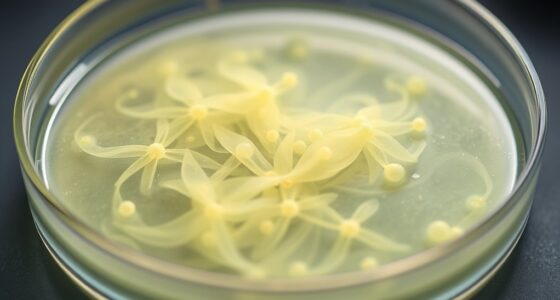
Alcohol also considerably impacts your gut bacteria, the tiny organisms that line your intestines and help digest food, produce vitamins, and keep harmful bacteria in check. Drinking alcohol can kill off some of these beneficial bacteria, throwing your gut flora out of balance. When your gut bacteria are disrupted, your digestion slows down or becomes irregular, causing bloating, gas, or even constipation. The imbalance can also make your gut more permeable, sometimes called “leaky gut,” allowing unwanted substances to enter your bloodstream, which can trigger inflammation and make you feel unwell. Additionally, alcohol’s impact on gut flora health can last for days, especially if you drink frequently or heavily. The resilience of your gut flora depends on your diet and overall health, but alcohol’s assault can weaken this balance, resulting in slower digestion and discomfort well into the next day. Repeated exposure to alcohol can also cause damage to gut lining, making it more vulnerable to irritation and inflammation. Chronic alcohol consumption can also impair digestive enzyme production, making it even more difficult for your body to break down food efficiently. Moreover, alcohol can alter your stomach acid levels, further contributing to discomfort and indigestion.
Your body’s response to alcohol’s toxins and its effects on gut bacteria also strain your immune system, which can make recovery slower. As your body works to clear out alcohol and repair damaged tissues, digestion remains compromised, and you may feel sluggish or overly full even after eating light meals. Proper hydration helps, but it doesn’t instantly repair the damage done to your liver and gut bacteria. Healing processes in your gut and liver take time, especially if alcohol consumption is frequent or heavy.
probiotic supplements for gut health
As an affiliate, we earn on qualifying purchases.
As an affiliate, we earn on qualifying purchases.
Frequently Asked Questions
Can Dehydration From Alcohol Cause Digestive Discomfort the Following Day?
Yes, dehydration from alcohol can cause digestive discomfort the next day. When you don’t hydrate enough, your hydration levels drop, leading to dry, irritated stomach lining. This stomach irritation can cause symptoms like nausea, bloating, and cramps. Drinking plenty of water before, during, and after alcohol consumption helps maintain hydration levels, which can reduce the likelihood of digestive discomfort and soothe your stomach.
Does Alcohol Impact Gut Bacteria Balance Long-Term?
Yes, alcohol impacts your gut bacteria balance long-term. It can cause microbiome imbalance by reducing bacterial diversity, which is vital for good digestion and overall health. When you drink excessively or regularly, you may disrupt the natural harmony of your gut, leading to ongoing digestive issues and immune problems. To protect your microbiome, consider moderating alcohol intake and maintaining a balanced diet rich in fiber and probiotics.
Are Certain Types of Alcohol Worse for Digestion Than Others?
Yes, some alcohol types are worse for digestion than others. Clear spirits like vodka and gin typically cause fewer stomach issues because they contain fewer congeners, which are byproducts of alcohol metabolism that can irritate your gut. Darker drinks like whiskey and red wine have more congeners, increasing digestion discomfort and hangover symptoms. To ease digestion, try hangover remedies like hydration and gentle foods, and limit high-congener drinks to protect your gut.
How Does Alcohol Interfere With Nutrient Absorption?
Alcohol wrecks your nutrient absorption by causing enzyme disruption and gastric irritation. It’s like a chaos storm inside your stomach, shutting down the enzymes needed to break down food properly. This irritation damages your stomach lining, making it harder for nutrients to pass into your bloodstream. As a result, your body struggles to get essential vitamins and minerals, leaving you drained and malnourished even after a single drink.
Can Eating Before Drinking Reduce Next-Day Digestion Issues?
Eating before drinking can help reduce next-day digestion issues by improving food timing and supporting alcohol metabolism. When you have a meal beforehand, it slows alcohol absorption, giving your body more time to process it efficiently. This can lessen stomach discomfort and help prevent bloating or nausea the next day. Just choose a balanced meal, and you’ll likely notice better digestion and less hangover-related trouble.
Conclusion
So, next time you indulge, remember that alcohol’s lingering effects on your digestion are like echoes of a once lively symphony—faint but persistent. Just as the moon’s glow influences the tide long after it sets, alcohol’s impact can ripple through your system overnight. Respect its power, and your stomach will thank you, allowing you to wake up feeling refreshed rather than adrift in a fog of discomfort. Balance is your best ally in this quiet dance.
Halloween Picks
halloween
As an affiliate, we earn on qualifying purchases.