
Bile plays a essential role in how your digestion feels by breaking down fats into smaller droplets, making it easier for enzymes to do their job. This process reduces feelings of heaviness, bloating, and discomfort after a meal. When bile works properly, your digestion runs smoothly, helping you feel light and comfortable. If bile production or release is disrupted, it can cause digestion issues. Keep exploring to discover more about this key but often overlooked part of digestion.

Get oils, diffusers and self-care delivered free with Prime
- Fast, free delivery on millions of items
- Prime Video, Amazon Music and more included
- Member-only deals all year
Key Takeaways
- Bile emulsifies fats, aiding digestion and reducing feelings of heaviness after fatty meals.
- Proper bile flow speeds up nutrient absorption, promoting a light, comfortable digestion experience.
- Impaired bile production can cause bloating, greasy stools, and discomfort.
- Bile enhances enzyme efficiency, impacting how smoothly digestion feels overall.
- Disrupted bile function may lead to indigestion and a sense of sluggishness or heaviness.
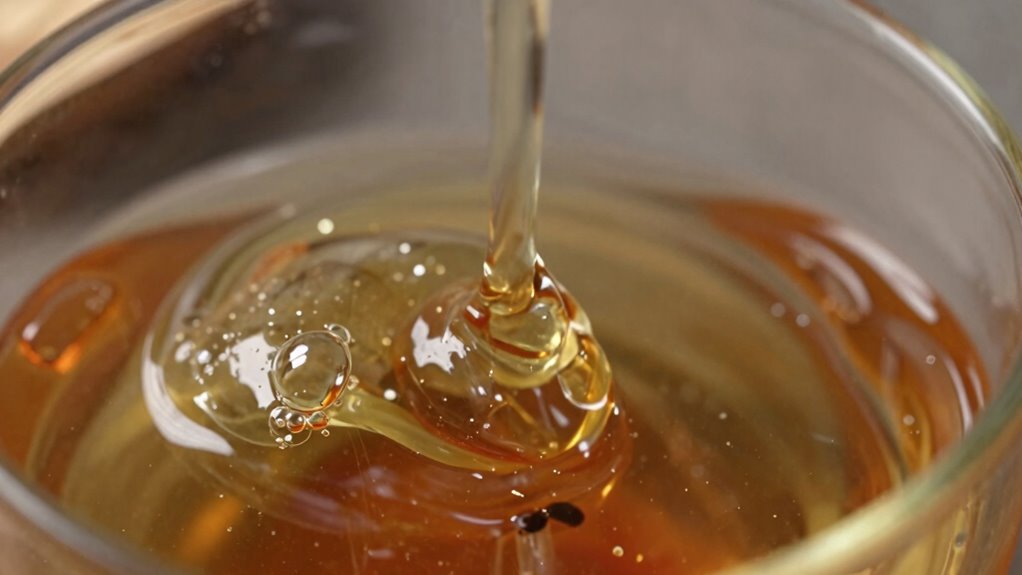
Have you ever wondered what exactly happens after you take a bite of your favorite meal? It might seem simple — you chew, swallow, and then your body takes over. But there’s a complex process happening inside, especially involving a little-known player called bile. Bile is produced by your liver and stored in your gallbladder, ready to be released when you eat fatty foods. Its primary role is to aid in digestion, but understanding how it works can shed light on how digestion actually feels.
Bile’s composition is quite specialized. It contains water, electrolytes, and a range of organic molecules like bile acids, cholesterol, and waste products. The most essential component for digestion is the bile acids, which act as natural emulsifiers. When you consume fats, bile is released into your small intestine, where it encounters the fatty foods you’ve just eaten. Its job is to break down large fat globules into much smaller droplets, increasing the surface area for digestive enzymes to act upon. This emulsification process is indispensable because without bile, fats would remain clumped together, making digestion inefficient and causing you to feel uncomfortable or sluggish after a fatty meal.
Bile’s role as a natural emulsifier is crucial for efficient fat digestion and overall comfort after fatty meals.
This is where digestive enzyme interaction becomes indispensable. Once the fats are emulsified, pancreatic enzymes like lipases get to work. These enzymes are highly specialized; they target the tiny fat droplets created by bile, breaking them down into fatty acids and glycerol, which your body can absorb. Bile doesn’t just passively assist; it actively facilitates this interaction, ensuring the enzymes can do their job effectively. Without adequate bile, the digestion of fats slows down, leading to symptoms like bloating, greasy stools, or a feeling of heaviness after eating. Additionally, bile’s role in nutrient processing influences how efficiently other nutrients are absorbed, further underscoring its importance. In fact, bile’s composition and release timing can even impact your overall metabolic health.
The process isn’t just about breaking down fats; bile also influences how other nutrients are processed. Its composition and release timing can affect digestion speed and efficiency, which influences how you feel during and after meals. If bile production or release is impaired, you might notice symptoms like indigestion or discomfort, especially after consuming rich, fatty foods. Proper bile production and timely release are crucial for maintaining a smooth digestion process. Conversely, properly functioning bile ensures a smooth digestion process, helping you feel lighter and more comfortable.
In essence, bile acts as a essential bridge between what you eat and how your body absorbs nutrients. Its composition and interaction with digestive enzymes are fundamental to digestion’s seamless flow. Recognizing this hidden role can help you understand that digestion isn’t just about breaking down food — it’s about a finely tuned system working behind the scenes to keep you feeling your best after every meal.
As an affiliate, we earn on qualifying purchases.
Frequently Asked Questions
How Does Bile Production Vary With Different Diets?
Your bile production varies with different diets because dietary influence impacts bile composition and secretion. When you consume high-fat foods, your body produces more bile to aid digestion, especially increasing bile salts. Conversely, low-fat or carbohydrate-heavy diets may reduce bile production. This adaptive process helps your body efficiently process nutrients, maintaining digestion and overall gut health. So, what you eat directly influences how your bile functions and varies accordingly.
Can Bile Imbalance Cause Specific Digestive Discomforts?
Imagine you’re in a medieval tavern, and bile toxicity sneaks up on you. Bile imbalance can cause specific digestive discomforts like bloating, indigestion, or nausea. Poor bile regulation might lead to ineffective fat breakdown or even gallstones. If your bile isn’t properly balanced, it can irritate your digestive tract, making you feel unwell. So, maintaining bile health is key to avoiding those pesky tummy troubles.
What Are Common Signs of Bile-Related Digestive Issues?
You might notice symptoms like nausea, indigestion, or a bitter taste in your mouth if you have bile-related issues. Bile crystalization can cause discomfort or even blockages, while bile reflux leads to stomach acid irritations and burning sensations. If these signs persist, it’s essential to consult a healthcare professional, as addressing bile imbalance early can prevent more serious complications and improve your digestion and overall comfort.
How Does Bile Interact With Gut Microbiota?
Bile interacts with your gut microbiota by acting as an antimicrobial agent, helping control bacterial populations. It modulates microbiota composition, promoting beneficial bacteria while limiting harmful ones. This microbiota modulation supports healthy digestion and immune function. When bile production or flow is disrupted, it can lead to imbalances, affecting gut health. So, bile’s antimicrobial properties are essential for maintaining a balanced microbiota and overall digestive well-being.
Are There Natural Ways to Support Healthy Bile Function?
You can support healthy bile function naturally by making dietary adjustments, like eating fiber-rich foods and healthy fats, which stimulate bile production. Herbal remedies such as artichoke extract or dandelion root also promote bile flow. Some might worry about effectiveness, but combining these approaches can enhance digestion and reduce discomfort. Remember, consistency is key—integrating these habits into your routine helps maintain ideal bile health over time.
Conclusion
Understanding bile’s role in digestion shows how essential this often-overlooked fluid is to your comfort and health. Without enough bile, you might experience bloating or indigestion, making meals less enjoyable. Fascinatingly, your liver produces about 400 to 800 milliliters of bile daily—enough to fill a standard water bottle—highlighting just how indispensable this tiny but mighty fluid is. Next time your digestion feels off, remember, bile’s hidden work is key to keeping you feeling your best.
Halloween Picks
halloween
As an affiliate, we earn on qualifying purchases.