

Even if your tests come back normal, your symptoms can still be real because medical tests only capture specific markers at a single moment, missing ongoing or fluctuating issues. Symptoms vary throughout the day and may not align perfectly with lab results, which have limits in scope and sensitivity. To truly understand your health, it’s important to take into account your experience alongside test data. Explore how these limitations influence your wellness journey for a clearer picture.

Get oils, diffusers and self-care delivered free with Prime
- Fast, free delivery on millions of items
- Prime Video, Amazon Music and more included
- Member-only deals all year
Key Takeaways
- Medical tests capture only a specific moment, missing ongoing or fluctuating health issues.
- Symptoms can vary throughout the day, even if test results appear normal at one time.
- Normal lab data doesn’t exclude underlying issues that cause symptoms; tests have limitations.
- Some conditions are diagnosed primarily through symptoms and clinical judgment, not solely lab results.
- Fluctuations in internal processes may cause symptoms despite normal test findings.
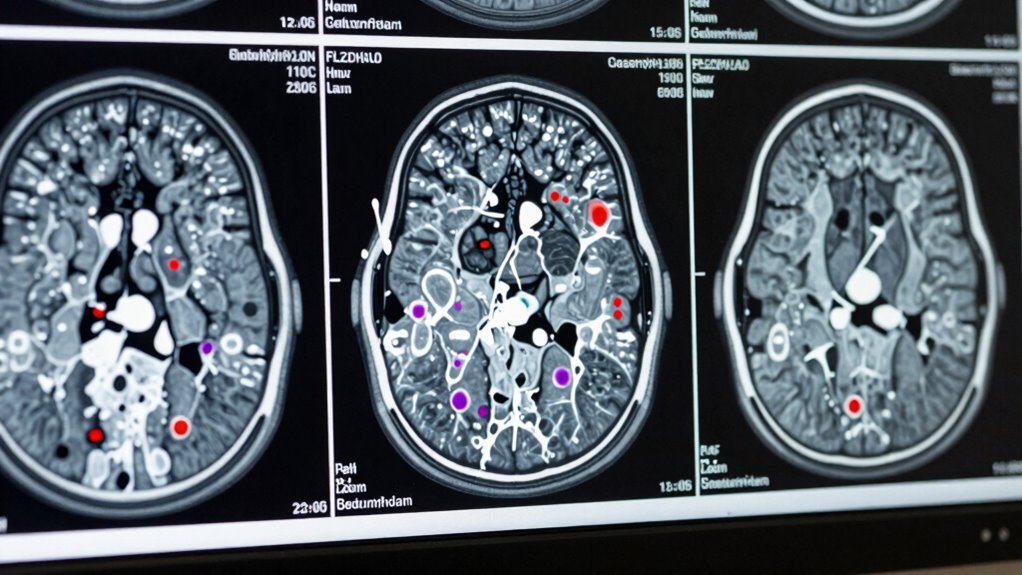
Even when your test results show normal data, it’s possible to still experience real symptoms. This can feel confusing, especially when medical tests seem to suggest everything is fine, yet your body tells a different story. This is because data interpretation depends on understanding how tests are designed and their limitations. Tests are designed to measure specific markers at a particular moment, but they don’t always capture the full picture of what’s happening inside your body. Your symptoms might be a result of factors that aren’t easily detected through standard testing, like fluctuations in hormones, nerve sensitivities, or subtle inflammation that falls within normal ranges.
Your body is dynamic, and symptoms often vary throughout the day or in different situations. This symptom variability means that even if a test is normal today, it doesn’t necessarily mean your condition isn’t real or that your symptoms aren’t valid. Sometimes, your body’s internal processes change rapidly, and a snapshot from a test can miss these fluctuations. For example, blood sugar levels, hormone levels, or inflammatory markers might be normal at a specific moment but could spike or dip at other times, causing symptoms that seem inconsistent with test results. This variability can make it challenging to interpret data accurately, especially when relying solely on one-time tests. You need to contemplate the possibility that normal data doesn’t always equate to the absence of illness or discomfort. It’s important to look at your symptoms holistically, considering their timing, severity, and how they impact your daily life, rather than relying solely on lab values.
Understanding data interpretation in medicine requires recognizing that tests are tools, not definitive answers. They provide valuable information but are limited by their scope, timing, and sensitivity. Just because your results fall within a normal range doesn’t mean your experience isn’t real. It’s also worth noting that some conditions are diagnosed primarily through symptoms and clinical judgment, rather than lab results alone. If your symptoms persist or worsen despite normal data, don’t dismiss your experience. Advocate for further evaluation, seek multiple opinions, or explore alternative approaches to diagnosis and treatment. Recognizing symptom variability and understanding the limitations of data interpretation helps you navigate your health with confidence and patience. Additionally, test sensitivity and timing play a crucial role in detecting subtle changes that might explain your symptoms.
As an affiliate, we earn on qualifying purchases.
Frequently Asked Questions
How Is “Normal Data” Defined in Medical Assessments?
In medical assessments, “normal data” refers to biomarker levels that fall within established diagnostic thresholds, based on population studies. You should understand that biomarker interpretation considers these thresholds, but individual symptoms might still be present due to factors like biological variability or early disease stages. So, even if your data appears normal, your symptoms can be real, highlighting the importance of thorough evaluation beyond just numbers.
Can Normal Test Results Overlook Underlying Conditions?
Normal test results can hide underlying conditions like a thin veil, especially due to diagnostic limitations. False positives or negatives might fool you into thinking all is well, but symptoms can still be real and significant. Tests aren’t perfect; they might overlook subtle signs or rare issues. So, even with normal data, trust your body and keep advocating for further evaluation if symptoms persist, because sometimes, the truth lies beneath the surface.
What Are Examples of Real Symptoms Despite Normal Data?
You might experience real symptoms like fatigue or pain despite normal test results. False positives can sometimes lead to normal data even when symptoms are genuine. Additionally, subjective reports, such as pain or dizziness, aren’t always reflected in tests. Your symptoms can be real and impactful, even if the data doesn’t show abnormalities. It’s essential to trust your experience and work with healthcare providers to explore further.
How Do Doctors Differentiate Between Normal Data and Symptoms?
Doctors differentiate between normal data and symptoms by reviewing your patient history and conducting diagnostic imaging. They listen carefully to your described symptoms, noting their severity and duration, even if tests show normal results. By combining your personal health history with imaging results, they can identify issues that might not show up in standard tests. This thorough approach helps them understand your condition beyond just the data, ensuring accurate diagnosis and care.
Does Normal Data Affect Treatment Plans for Symptoms?
Imagine data interpretation as a delicate dance, where normal data and real symptoms step together. Normal data doesn’t necessarily rule out symptoms; instead, it guides your doctor to focus on symptom correlation. Your treatment plan considers both, ensuring symptoms are addressed even if tests seem normal. This nuanced approach helps tailor care, recognizing that sometimes, what’s normal on paper still affects your well-being profoundly.
Conclusion
So, next time your tests come back normal but you still feel off, remember—your symptoms aren’t just in your head. It’s ironic, isn’t it? The ‘normal data’ might ignore your real experience, yet your body’s signals are still valid. Don’t dismiss your symptoms simply because the numbers say otherwise. Sometimes, the ‘normal’ label is just a clever way for science to overlook what your body’s been trying to tell you all along.
Columbus Day / Indigenous Peoples' Day Picks
long weekend sales
As an affiliate, we earn on qualifying purchases.