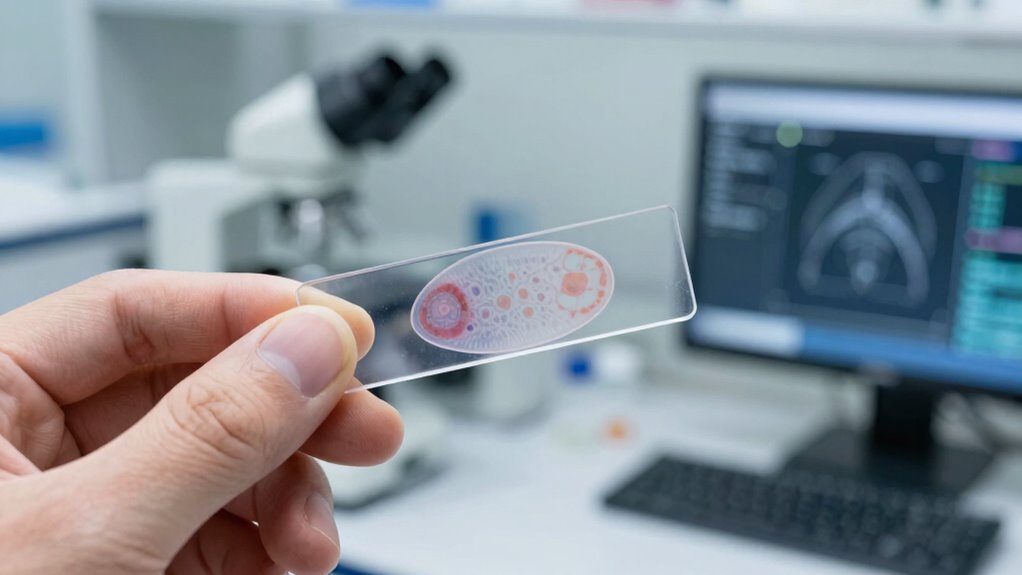

When doctors talk about a “clinical picture,” they mean the overall view of your health, including your symptoms, signs, medical history, and lab results. It’s how they connect all these pieces to understand what’s happening with you. They consider how symptoms relate, their severity, and pattern to differentiate conditions. This all-encompassing view guides diagnosis and treatment. Keep exploring to learn more about how this process helps healthcare professionals care for you.

Get oils, diffusers and self-care delivered free with Prime
- Fast, free delivery on millions of items
- Prime Video, Amazon Music and more included
- Member-only deals all year
Key Takeaways
- It is the comprehensive presentation of a patient’s symptoms, signs, medical history, and lab results.
- It helps clinicians identify diagnostic clues and understand the overall health status.
- The clinical picture is continuously refined with new information and diagnostic findings.
- It involves analyzing symptom relationships, patterns, severity, and context for accurate diagnosis.
- It guides decision-making by providing a mental map of the patient’s health condition.
Have you ever wondered how healthcare professionals interpret complex symptoms to reach an accurate diagnosis? It’s a fascinating process that involves more than just noting individual signs; it’s about understanding the bigger picture—the clinical picture. When doctors talk about a “clinical picture,” they’re referring to the overall presentation of a patient’s health, which includes symptoms, signs, medical history, and sometimes laboratory results. This detailed view helps them piece together the puzzle, guiding the diagnosis process.
During symptom analysis, you might notice that doctors don’t focus solely on one issue or symptom. Instead, they look at how all the symptoms relate to each other and what they might collectively indicate. For example, a cough, fever, and fatigue might seem straightforward separately, but when combined with other signs like shortness of breath or chest pain, they help form a clearer clinical picture. This holistic approach is essential because many diseases present with overlapping symptoms, and understanding the full context prevents misdiagnosis.
Doctors analyze how symptoms interconnect to form a complete, accurate clinical picture for proper diagnosis.
The diagnosis process involves gathering all relevant information, including your medical history, current complaints, and physical examination findings. Doctors pay attention not just to what you say but also to how you say it—the severity, duration, and pattern of symptoms. They also observe physical signs, like skin rashes or swelling, which can be *indispensable* clues. All this information contributes to constructing a detailed clinical picture, allowing the physician to narrow down potential causes. Recognizing the importance of medical history and how it influences diagnostic reasoning is a key part of this comprehensive evaluation.
A key aspect of this process is symptom analysis—evaluating each symptom’s significance and how it fits within the broader health context. For instance, a sudden onset of chest pain with sweating and nausea might point toward a heart attack, especially if combined with risk factors like hypertension or smoking. Conversely, mild abdominal discomfort that worsens after eating might suggest a gastrointestinal issue. By analyzing symptoms in relation to each other, doctors can differentiate between similar conditions and avoid unnecessary tests or treatments.
Ultimately, the clinical picture is like a mental map that guides the next steps in diagnosis and treatment. It’s a dynamic process, constantly refined as new information emerges. Recognizing that the clinical picture includes *laboratory results* and other diagnostic tools underscores the importance of comprehensive evaluation. When you understand that doctors rely on this *extensive* view, it becomes clear why thorough communication and honest reporting of symptoms are *indispensable*. Your detailed symptom analysis helps paint an accurate clinical picture, enabling your healthcare provider to make informed decisions and tailor the best course of action for your health.
As an affiliate, we earn on qualifying purchases.
Frequently Asked Questions
How Is a Clinical Picture Different From a Diagnosis?
A clinical picture differs from a diagnosis because it’s a thorough view of your symptoms, medical history, and how your condition progresses over time. While a diagnosis pinpoints the specific illness, the clinical picture helps doctors understand the overall context, considering multiple factors. You provide details about your symptom progression and medical background, enabling healthcare providers to see the bigger picture and make more informed decisions about your treatment.
Can a Clinical Picture Change Over Time?
Yes, a clinical picture can change over time. You might notice symptom progression or disease evolution, which can alter the overall presentation. As new symptoms emerge or existing ones worsen or improve, the clinical picture evolves, helping doctors understand how the condition develops. This ongoing change provides valuable insight, allowing for adjustments in treatment plans and better management of the patient’s health over the course of their illness.
What Tools Do Doctors Use to Interpret a Clinical Picture?
Doctors interpret a clinical picture using tools like medical imaging and laboratory tests. Medical imaging, such as X-rays, MRIs, or ultrasounds, helps visualize internal structures, while lab tests analyze blood, urine, or tissue samples for specific markers. These tools provide critical data that, combined with your symptoms and medical history, help doctors form an accurate diagnosis and understand the evolving nature of your condition.
Is a Clinical Picture the Same for All Patients?
No, a clinical picture isn’t the same for all patients. Think of it like a puzzle where symptom variability and patient history fit differently for each person. Your unique experiences, symptoms, and health background shape your clinical picture. Doctors consider these differences carefully, understanding that what’s true for one patient might not be for another. This personalized approach helps them accurately diagnose and create effective treatment plans for you.
How Does a Clinical Picture Influence Treatment Decisions?
Your clinical picture influences treatment decisions by highlighting symptom patterns and patient history. When doctors observe specific symptom combinations and consider your medical background, they can tailor treatments more effectively. Recognizing these patterns helps identify the underlying cause, ensuring you receive the most appropriate interventions. This personalized approach improves outcomes and minimizes unnecessary procedures, making your care more targeted and efficient.
Conclusion
Understanding a doctor’s description of a “clinical picture” is like seeing the full picture, not just a single piece. It helps you grasp the overall health situation and guides the right treatment. Don’t just focus on one symptom—look at the entire scene. Remember, a clear clinical picture can make all the difference, so keep your eyes open and trust your doctor to connect the dots for your well-being. It’s better to be safe than sorry.
Fall Picks
fall essentials
As an affiliate, we earn on qualifying purchases.